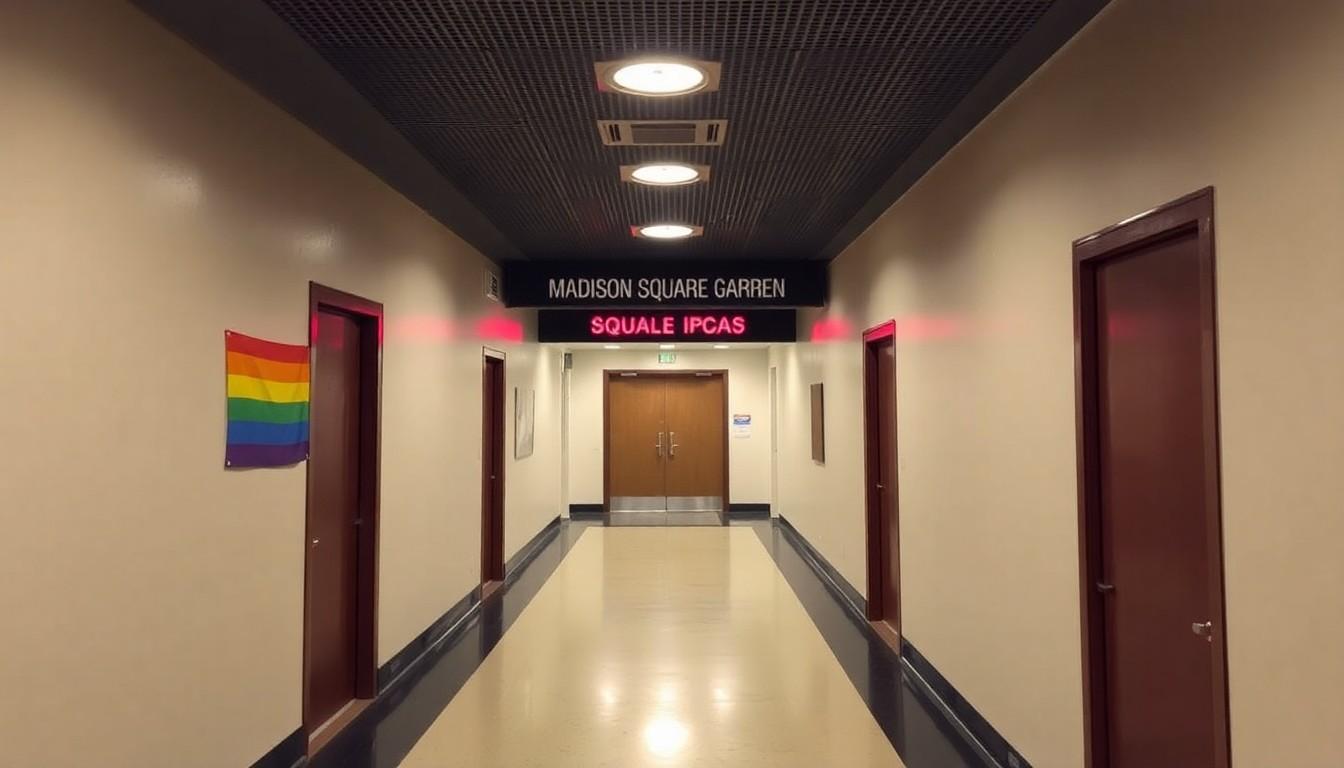
Shoppers of celebrity news and privacy advocates have been poring over a leaked Madison Square Garden database that reportedly labels roughly 400 public figures , including about 93 as “LGBTQIA” , raising fresh questions about venue surveillance, bias and how arenas track high-profile guests. Here’s what to know, why it matters, and what might come next.
Essential Takeaways
- Scope of the leak: The database reportedly contains risk assessments and labels for roughly 400 celebrities, part of a larger dataset tied to Madison Square Garden’s operations. It smells like internal profiling.
- Queer labelling flagged: Around 90-plus people are listed with an “LGBTQIA” tag that focuses on identity rather than behaviour, a detail that civil‑liberties groups find worrying.
- Security practices under scrutiny: Reporting suggests MSG’s security conducts social‑media sweeps and assigns “risk scores” for VIP ticketing and access decisions. It’s described by one source as “paranoid.”
- Legal and tech fallout: The incident follows confirmations of a broader breach and lawsuits over biometric and facial‑recognition data, so the leak could feed multiple legal challenges.
- Human impact: Celebrities and frequent attendees may face reputational, privacy and safety concerns , labels aren’t just admin notes when they live online.
What leaked and why the “LGBTQIA” tag matters
The loudest shock in this story is the identity label. Reports say the leaked dataset includes a column marking more than 90 people as “LGBTQIA,” which focuses on who they are rather than what risk they pose. That’s a different and more invasive level of profiling than a simple note that someone is a critic or troublemaker. Privacy advocates call that worrying because it treats protected characteristics as if they were risk factors. For people who value discretion, the idea a venue is keeping identity flags will feel intrusive and unnecessary.
How arenas use VIP lists , routine practice or overreach?
Industry insiders often say venues keep notes on frequent visitors, high‑profile fans and critics to manage access and safety. According to reporting, MSG’s system reportedly included “risk scores” derived from social‑media activity and press. That sort of monitoring isn’t unheard of, but critics argue the scale and the specific labels here cross a line. If you’re a celebrity, being flagged can mean fewer freebies or more scrutiny; for the public, it signals how much data organisations quietly collect and act upon.
Where this sits with bigger data and legal fights
This leak dovetails with other developments: MSG has confirmed a broader data breach and faces lawsuits tied to biometric and facial‑recognition data. Those cases make the stakes higher because they suggest personal data beyond names and labels may have been exposed. In practical terms, that could mean class actions or regulatory probes, and it’s a reminder that when organisations mix biometric tracking with profiling, legal trouble often follows.
Practical advice for public figures and fans
If you’re a public figure, or you attend major venues a lot, there are a few sensible steps: tighten social‑media privacy settings, treat complimentary ticket requests cautiously, and keep an eye on reports about breaches linked to places you frequent. For ordinary fans, it’s worth asking venues about their data practices before handing over biometric info or season‑ticket details. Transparency demands questions; businesses should be ready with clear answers.
What advocates and the public are saying
Digital‑rights groups have responded sharply, noting a pattern of over‑interest in queer and trans people at the venue. That reaction isn’t only about celebrity privacy , it’s about how institutions treat marginalised groups. Expect more scrutiny from civil‑liberties organisations and possibly regulators as details of the breach and database use continue to surface.
It's a small change in record‑keeping that could have big consequences for privacy and trust.
Source Reference Map
Story idea inspired by: [1]
Sources by paragraph: