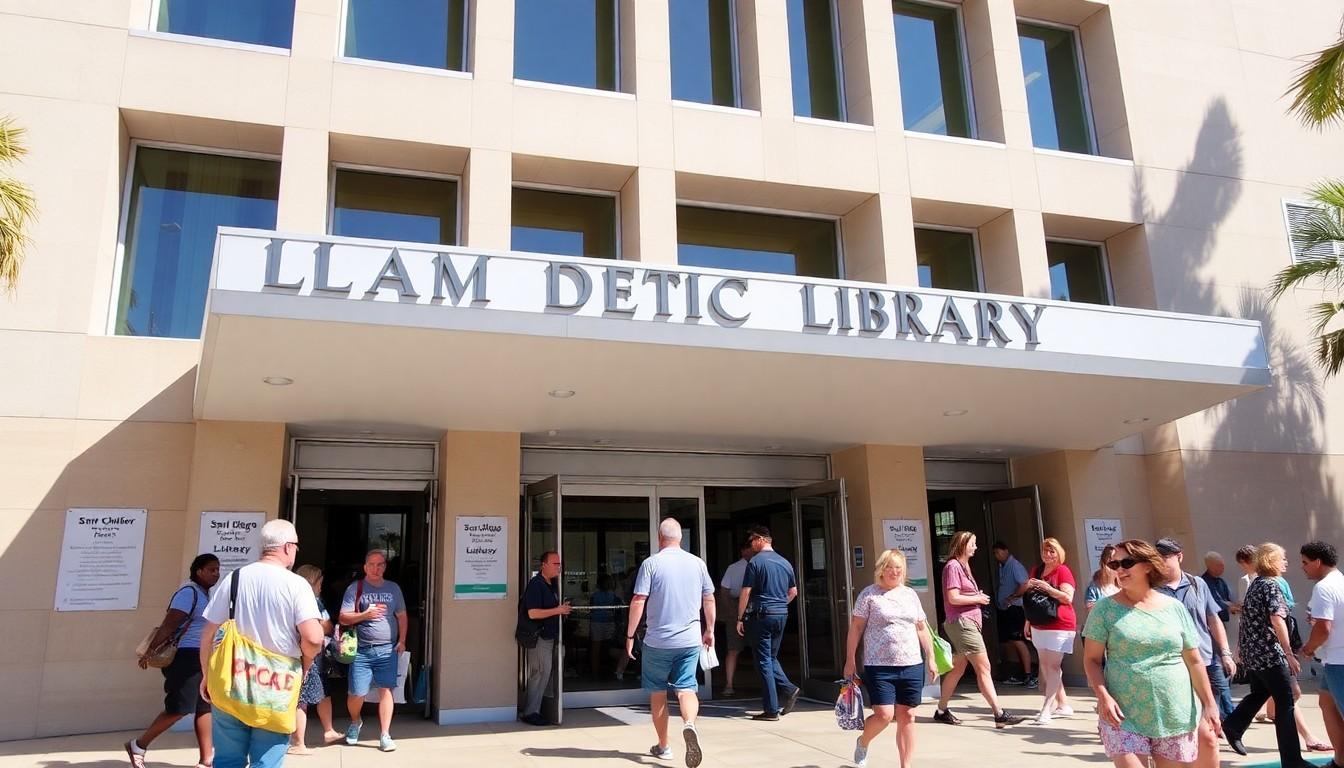
Shoppers and readers are turning to San Diego’s libraries this July as Pride Shines On , the city’s Public Library system is hosting storytimes, a reading challenge, a limited-edition Pride card and parade participation to uplift LGBTQ+ voices and build community. Here’s what to expect and how to get involved.
Essential takeaways
- What’s on offer: Free Pride-themed storytimes, workshops and community events across all 37 City library locations.
- Reading challenge: Earn a digital badge by reading five books by LGBTQIA+ authors or logging five hours of reading through 19 July.
- Limited-edition card: A 2026 Pride library card designed by Kori Callu will be available from 11 July while stocks last.
- Access tips: Library card replacement fees are waived during July and all locations will carry Pride programming.
- Community note: The library is publicly framing this as a space of learning, creativity and support for diverse identities.
Pride Shines On , what the library is doing and why it matters
The San Diego Public Library has centred its July programme around a single, approachable idea: Pride Shines On , a theme meant to spotlight diverse voices and everyday joy. Library Director Misty Jones described Pride as connecting San Diegans with an environment of love and support, and the calendar reflects that with events aimed at families, teens and adults. The mood is intentionally celebratory but practical too, with free entry and activities across the city so anyone can drop in and feel part of things.
This offering matters because it stretches Pride beyond one month and into neighbourhood branches, making visibility routine rather than exceptional. For readers, creators and community groups it’s a chance to meet, learn and exchange resources in a public, civic setting.
How the PRIDE! Reading Challenge works , quick and friendly
If you like goals, the PRIDE! Reading Challenge is straightforward: read five books by LGBTQIA+ authors or spend five hours reading, then claim a digital badge. The library has curated a recommended list to help you find titles for adults, teens and kids, so you won’t be stuck choosing. Signing up is simple and the challenge runs through 19 July, which gives casual readers plenty of time.
Practical tip: pick a mix of fiction, memoir and short stories to hit the five-book target quickly and get different perspectives. Children’s picture books can count, so parents can read along and make it a family activity.
The limited-edition 2026 Pride library card , design, availability and small perks
The library is rolling out a special Pride-themed card designed by local artist Kori Callu, a queer trans, first-generation Mexican American who wanted her artwork to spark joy and visibility. The card goes on circulation from 11 July at all 37 public library branches while supplies last, and it’s a nice, tangible way to show support.
A practical incentive: the library is waiving replacement fees for cards during July, so if you’ve been putting off getting a new card, now’s the time. Cards act as a passport to everything from borrowing books and digital media to taking part in workshops and events.
Events, storytimes and the parade , what to bring and where to go
Expect many branches to host Pride-themed storytimes for young children, teen-focused discussions and adult workshops or film screenings. The library will also take part in the city’s Pride Parade on 18 July, making it easy to meet staff and volunteers if you want in-person info on programmes.
If you’re planning to attend a storytime, bring a small blanket or cushion for comfort and arrive a little early , popular sessions can fill up. For the parade, check your local branch for meeting points or volunteer roles; the library often coordinates group entries to make participation straightforward.
Why public libraries are a good place for Pride programming
Public libraries have long been neutral civic spaces where information and community overlap, and San Diego’s library system is leaning into that role by making Pride programming local, accessible and varied. According to the library’s outreach, these events are designed to create safe, creative spaces for learning and celebration.
There’s also a practical defence-of-access element to this: making resources available in multiple branches helps ensure that materials and programming aren’t concentrated in one neighbourhood. That’s an important check against opposition and makes it easier for parents, students and elders to take part without travelling far.
It’s a small change that can make every visit feel more welcoming and every book a little more likely to spark conversation.
Source Reference Map
Story idea inspired by: [1]
Sources by paragraph: