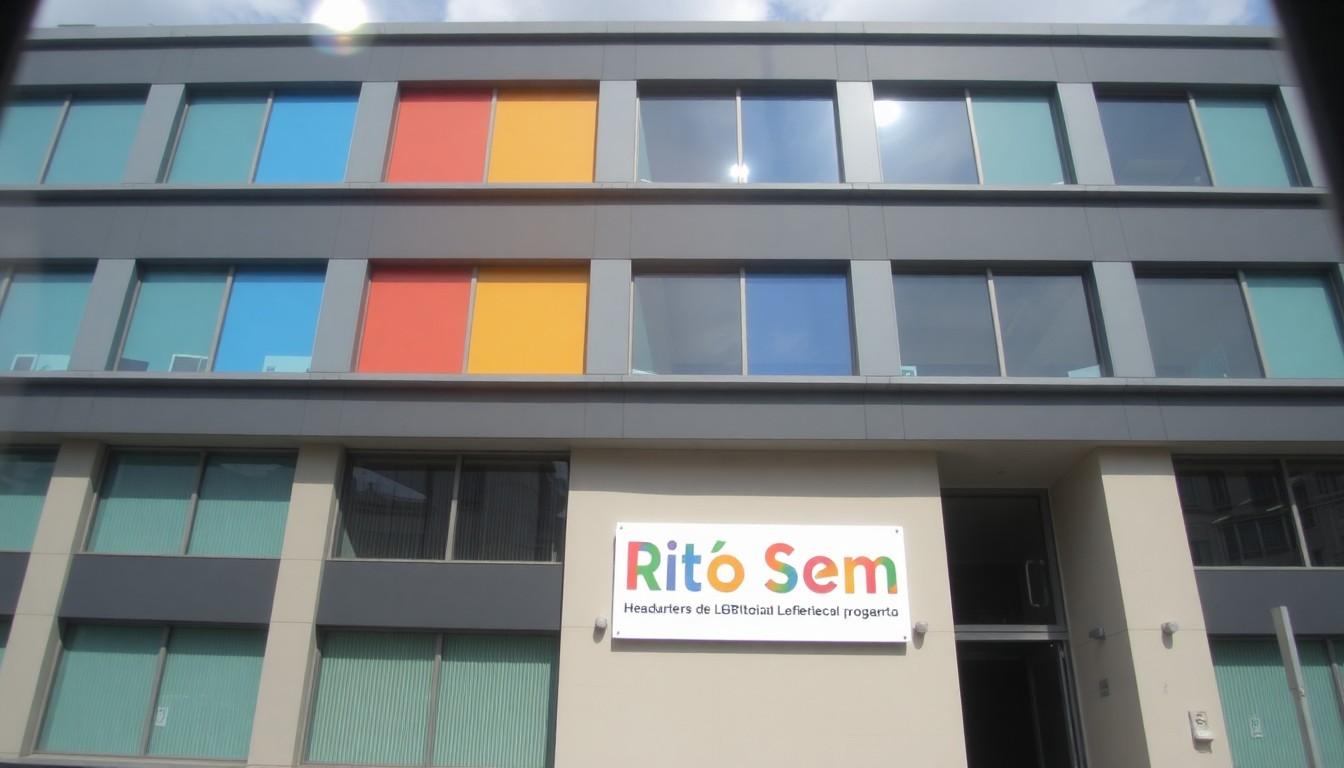
Shoppers of dignity and defenders of rights have sounded the alarm: Rio Sem LGBTIfobia, the state’s main LGBTQIAPN+ support network, faces a funding and payroll crisis that threatens services across the Rio de Janeiro. Workers unpaid, thousands served and a clear ask , make this programme a permanent policy of state.
Essential Takeaways
- Longstanding impact: Rio Sem LGBTIfobia has operated for 15 years and is the principal state-level LGBTQIAPN+ rights programme in Brazil, offering psychosocial, legal and referral services.
- Operational strain: Staff have reportedly been without pay for about 90 days, undermining morale and service continuity for around 3,700 regular beneficiaries.
- Service scale: In 2025 the programme delivered more than 12,000 attendances across 24 centres and poles statewide, providing frontline protection where exclusion is common.
- Government response: Officials have pledged to regularise overdue salaries and are reviewing contract and management models, while proposing a move to institutionalise the programme.
- Key demand: Advocates call for an autonomous budget line, permanent financing and formal status as a state policy to prevent future disruption.
Why the payroll pause matters , lives, not line items
The starkest fact is simple and human: people who depend on these centres turn up for help, and the staff who support them haven’t been paid for months. That creates a quiet, grinding risk , dropouts, fewer appointments and a frayed safety net. Reports from local outlets and state statements show the government has pledged to settle the arrears, but payment alone won’t mend the structural fragility. If you’ve ever relied on a warm welcome in a crisis, you know it takes staff who feel secure to give their best.
How the programme grew into a lifeline
Built out of decades of activism and partnerships, Rio Sem LGBTIfobia now runs 24 Centres and Poles of Citizenship across the state. It blends psychosocial care, legal advice and referrals to social protection, making it one of the most capillary networks for LGBTQIAPN+ rights in Brazil. Coverage figures from 2025 , roughly 12,000 attendances and some 3,700 regularly served people , show demand is real, steady and evolving. Advocates say the programme’s strength comes from being embedded where exclusion used to rule; weakening it would roll back access for people who have few alternatives.
Government options: patchwork fixes or a policy of state?
Authorities have said they will regularise payments and review contract and management models. Media reports note the public university partnership and contract terms are under discussion. Those are sensible first steps, but they’re bandages unless paired with a political decision: formalise Rio Sem LGBTIfobia as an autonomous state policy with dedicated budget lines. That would insulate services from short-term fiscal choices and election cycles. For decision-makers, the choice is clear , keep a valuable, demand-driven programme alive with stable funding, or risk repeated crises that cost lives and trust.
What advocates are asking for , practical, staged steps
Movement leaders and allied politicians propose concrete moves: immediate settlement of overdue salaries; a three-month transitional arrangement with the public university partner to secure continuity; hiring the candidates already approved in selection processes; and an expansion plan to reach higher-vulnerability populations. These are low-drama, high-impact measures: pay people what they’re owed, keep doors open, honour recruitment investments, and scale up where needs are greatest. Implemented together, they form a realistic path from emergency to stability.
Why institutionalising the programme matters long term
Making Rio Sem LGBTIfobia a formal policy of state means more than paperwork. It would create a predictable funding stream, clearer governance, and capacity to grow into new territories and services. It also signals a moral stance: the state recognises LGBTQIAPN+ rights as permanent responsibilities, not optional extras. For beneficiaries, the payoff is concrete , fewer interruptions, more professionals on hand, and steadier access to justice, health and social support. For the city and state, it’s an investment in social cohesion and public safety.
It's a small change in bureaucracy that can mean everything to someone who needs help today.
Source Reference Map
Story idea inspired by: [1]
Sources by paragraph: