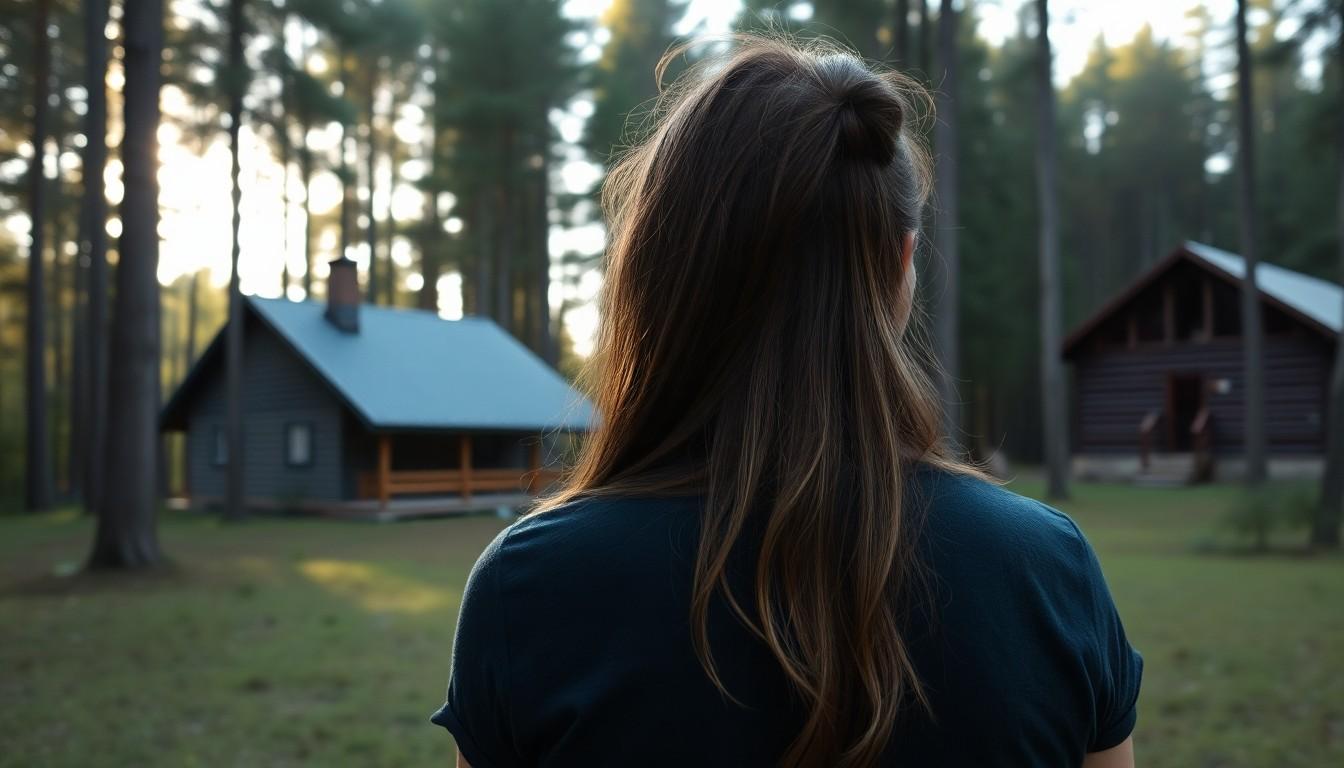
Shoppers of spooky cinema are flocking to a new kind of witchy tale: Avalon Fast’s Camp centres lesbian desire, sisterhood and eerie rites, and it matters because it finally puts queer women at the heart of a genre that’s long flirted with them from the margins.
Essential Takeaways
- Central romance: Camp places a sapphic love story front and centre, not as subtext but as the emotional engine of the film.
- Distinct tone: The film mixes dreamy visuals, pops of animation and a quiet, lyrical pace for a soft-but-unsettling feel.
- “Girl horror” label: Fast coins and develops “girl horror” to describe coming-of-age female dread and rites, rather than mean-girl catfights.
- Moral ambiguity: The coven performs both tender and unsettling acts; the film resists neat villain/hero labels.
- Accessible now: Camp arrives on digital platforms in July, making it easy to watch and discuss.
A witchy film that finally looks and feels sapphic
The first thing you notice about Camp is how calm and intimate it feels, like a mist settling over a lakeside at dusk. Avalon Fast doesn’t tease queerness or tuck it into the background , the romance between Emily and Clara is written in from the start, which changes how every spell and ceremony lands. Critics from outlets such as RogerEbert.com and TheWrap have highlighted how this choice makes the movie feel immediate and honest rather than referential.
Fast’s approach matters because so many classic witch films have been read as queer even when they weren’t explicitly so; Camp simply stops asking viewers to read between the lines. That makes scenes of tenderness and ritual hit harder, because they’re not theatrical afterthoughts but the beating heart of the story.
What “girl horror” actually means , and why it’s useful
Fast describes Camp as part of a self-styled subgenre she calls “girl horror,” which nods to adolescence, the physical and psychic shocks of becoming female, and the particular fears that follow. It’s less about jump scares and more about the interior sting of growth , the awkward, shameful, ecstatic and confusing moments that shape you.
Industry reviews and festival write-ups have picked up on this; they note the film’s coming-of-age rhythms and the way it treats rites of passage as both liberating and risky. If you’re choosing a watch for a late-night film club, this is useful language: “girl horror” signals that you’ll get atmosphere, introspection and moral complexity rather than tidy horror tropes.
Sisterhood over spite , a deliberate, ethical choice
One of Camp’s clearest departures from films like The Craft is its refusal to make women cruel to one another as a storytelling shortcut. The coven in Camp can be messy and morally complicated, but they’re not catty saboteurs for the sake of plot. That decision strips away a lot of the misogynistic framing that haunts witch stories and lets the film explore how women care for and harm one another without turning it into moral censure.
Writers and reviewers have praised this nuance: these characters are allowed to be kind and monstrous in equal measure, and the film resists instructing the audience how to judge them. For viewers, that means you’ll leave with questions rather than answers, and that ambiguity is a deliberate, provocative feature.
Visual style: dreamy, tactile, and a little uncanny
Camp doesn’t scream its aesthetic; it whispers it. The cinematography is soft and tactile, with bursts of animation and dreamlike touches that make the supernatural feel intimate rather than bombastic. Reviewers from niche horror outlets and indie critics have noted the film’s mix of lyricism and quiet dread , it’s the sort of movie where a lingering close-up or a flash of hand-drawn animation can chill you more than a loud noise.
If you care about craft, this is where the film rewards repeat viewings. Watch for how textures, colour and rhythm shape the mood: a cabin’s warm wood, the damp hush of a forest, or sunlight through lake mist all contribute to the film’s emotional register.
Picking the right viewer and why it’ll linger
Camp isn’t a gore-fest or a mainstream scream machine, so match it to the right mood. It’s best for night-time viewing, slower-paced horror fans, and people who like their scares wrapped in feeling. If you want tidy moral conclusions, it may frustrate you; if you enjoy moral ambiguity and queer-centred storytelling, it will stay with you.
For group viewing, bring a mix of perspectives: some viewers will adore the romance, others will puzzle over ethical choices, and some will savour the filmmaking flourishes. Either way, expect conversation afterwards , that’s part of the point.
It’s a small change that can make every spell feel more personal.
Source Reference Map
Story idea inspired by: [1]
Sources by paragraph: