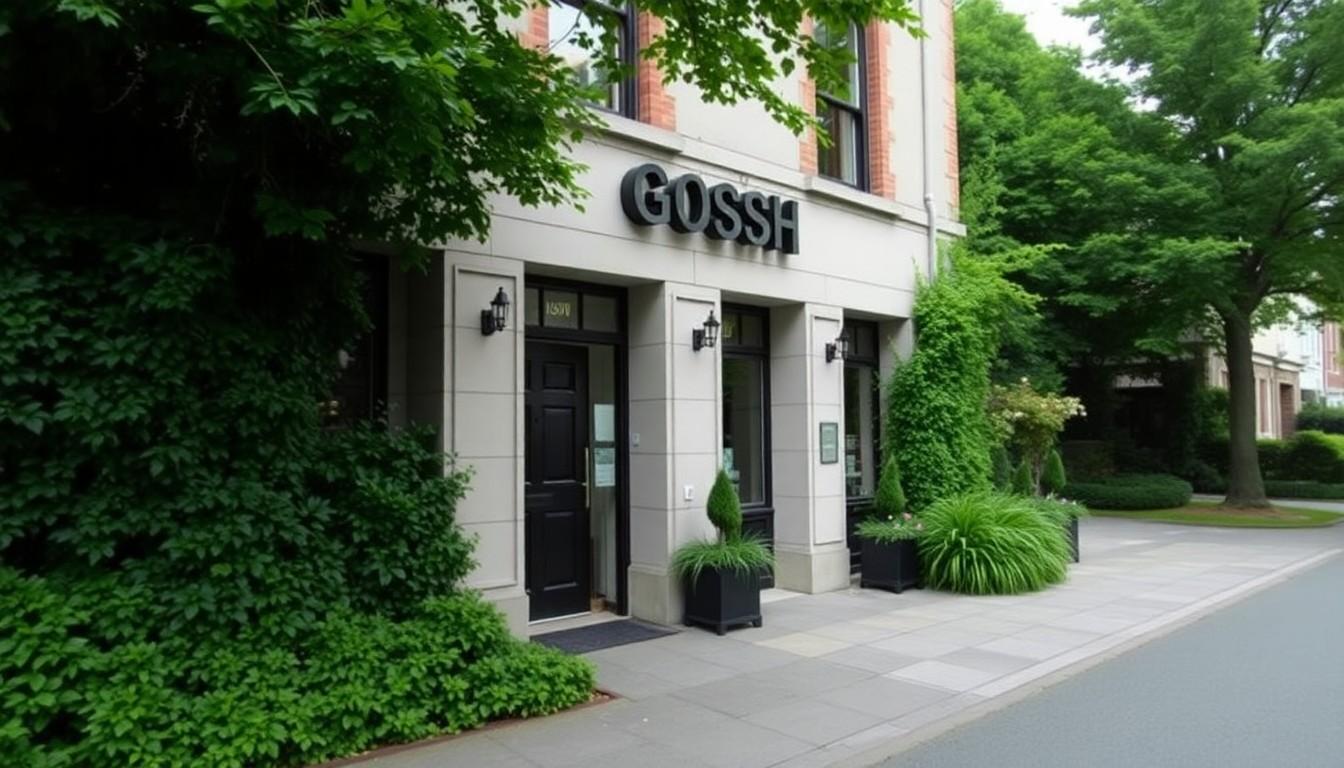
Shoppers are turning to community-led care: President Catherine Connolly’s official visit to GOSHH during Limerick Pride recognised the grassroots work keeping sexual health services and social support alive across Clare, Limerick and North Tipperary , and why that matters for rural LGBTQ+ lives.
Essential Takeaways
- High impact: GOSHH supported more than 2,500 people in 2025, showing strong regional reach and demand.
- Immediate help: The service logged 653 helpline calls in 2025, offering fast advice, reassurance or referrals.
- Community warmth: New groups such as the Migrant Social Gathering provide welcoming, low-pressure social spaces.
- Visibility counts: The presidential visit highlighted how recognition reduces stigma and improves long-term health outcomes.
- Practical access: GOSHH combines sexual health services with youth and family support, making care easier to find locally.
A powerful visit with a quiet, human touch
President Connolly’s visit to GOSHH during Limerick Pride felt intentionally local rather than ceremonial, and that made it resonate. Staff, volunteers and service users shared stories about how simple things , a friendly face, reliable information, a confidential appointment , can change a life. According to coverage of the visit, the President listened to lived experience, which matters because visibility from the head of state sends a clear message: these services are essential.
Why rural services like GOSHH still matter
Rural and provincial areas can be patchy for specialist sexual health and LGBTQ+ supports, and GOSHH has for decades filled that gap across Clare, Limerick and North Tipperary. The organisation’s longevity and person-centred approach mean people who might otherwise travel or wait can get care near home. Local authorities and community partners see this as a model for reaching those outside big cities.
Numbers that speak , and what they imply
Supporting 2,500 people in a year and handling hundreds of helpline calls shows both demand and trust. Those figures suggest GOSHH is more than an information point; it’s a first port of call for crisis support, referral and ongoing wellbeing. For families and young people in particular, easy access reduces isolation and the risk that health needs go unseen.
New groups, new faces: inclusion in practice
GOSHH’s recent launch of a Migrant Social Gathering group is a good example of practical inclusion. Bringing people together in a safe, social setting helps build friendships and lowers barriers to other services. Local projects like a teen book club and community events create quieter routes into support, and they remind us that social connection is health work too.
What the recognition does: stigma, services and the future
High-profile visits change the story around community organisations. When the President visits, it shifts public perception from “volunteer project” to “essential public service.” That recognition can help with fundraising, referrals and partnership building , and it can make individuals feel safer about seeking help. Expect more attention on rural LGBTQ+ health as politicians and funders notice the results.
It's a small shift with a big echo: backing local services makes everyday care easier to reach.
Source Reference Map
Story idea inspired by: [1]
Sources by paragraph: