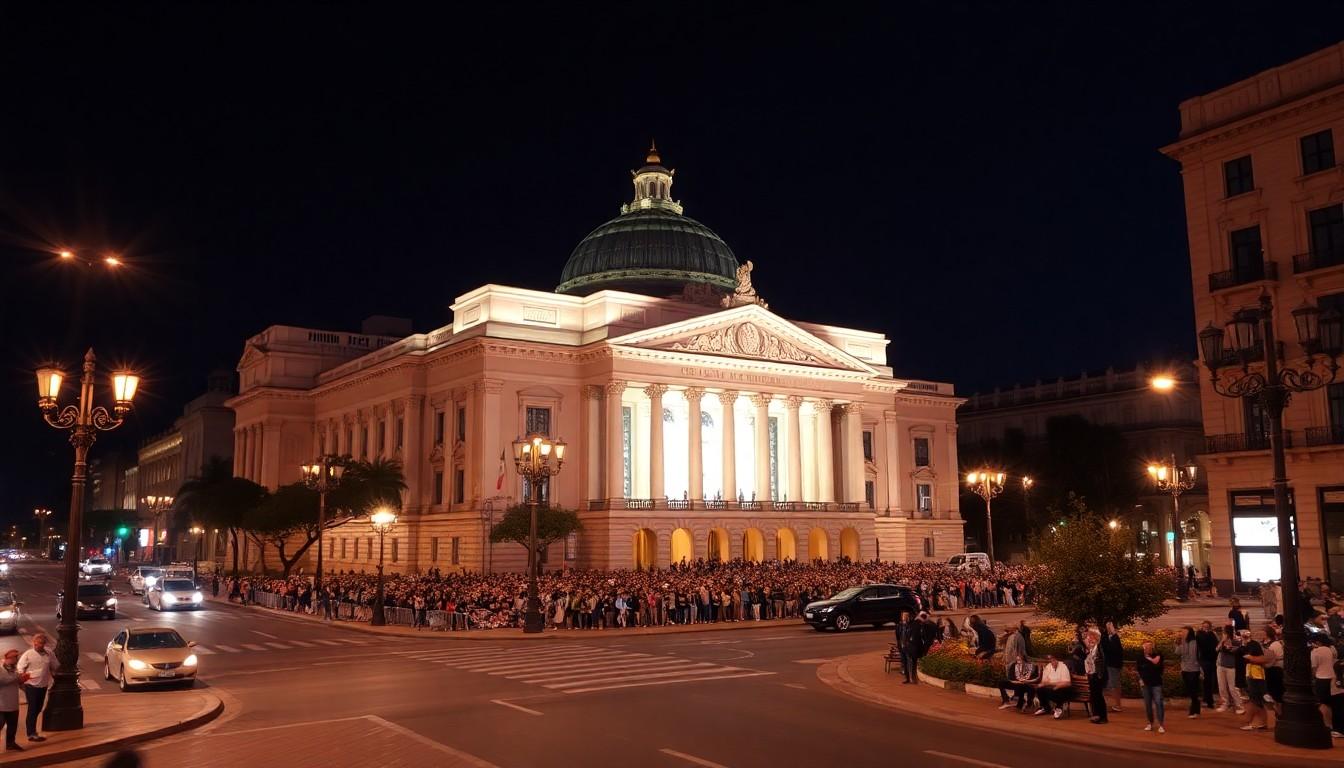
Bursting with colour and purpose, Mexico City’s 48th Pride March drew hundreds of thousands down Paseo de la Reforma to the Zócalo, a vivid show of solidarity that mattered because it combined celebration with political visibility at the heart of the capital. Here’s what stood out, why it mattered, and how the route shift shaped the day.
Essential Takeaways
- Mass turnout: Organisers and reporters estimated between 800,000 and over 1 million people, a buoyant, joyful crowd that filled main avenues.
- Route and access: March began at the Angel of Independence and proceeded to the Zócalo, with closing programming moved nearby to Eje Central for logistical reasons.
- Theme and tone: The slogan “My struggle is your struggle. Equality, peace and solidarity” framed the march as both celebration and political statement.
- Civic significance: Ending at the Zócalo kept the march tied to national power and protest tradition, even with adjustments for a FIFA Fan Fest.
- Community rituals: The day blended music, dance and formal moments , from speeches to public ceremonies recognising pioneers of the movement.
Opening hook: a parade that felt like a city-wide hug
Mexico City’s Pride is loud, proud and unmissable, and this year’s 48th Marcha de Orgullo felt especially full of momentum and warmth. Streets smelt faintly of street food and sunscreen, people hugged and danced, and banners bobbed like colourful ships on a human sea. Organisers and participants said the sheer scale reinforced that visibility matters , it’s celebration with consequence.
Backstory: why the Zócalo still matters
The Zócalo has long been the symbolic finish line for demonstrations and cultural moments in Mexico. According to local activists and city statements, talks in mid-June settled concerns about access when the FIFA World Cup Fan Fest was scheduled at the same plaza. The compromise allowed marchers to reach the Zócalo on foot and be present in the square, even if the main stage moved nearby, preserving the day’s civic resonance.
Logistics and the route: small shift, big symbolism
Practically speaking, the parade kept its familiar route from the Angel of Independence down Paseo de la Reforma. The city government confirmed participants could access the Zócalo, but the main closing stage and headline acts were placed on Eje Central Lázaro Cárdenas, beside the Palacio de Bellas Artes. That tweak kept the crowd safe and accommodated the Fan Fest, while keeping the end point politically meaningful.
Theme and tone: solidarity as both party and protest
The march’s theme , framed around equality, peace and solidarity , made clear organisers wanted more than a party. Activists, historians and long-time attendees noted how the event mixes ceremony and celebration: performances, speeches, sometimes mass weddings or legal recognition moments, and public honours for movement pioneers. That blend helps the march feel like a cultural festival and a continuing push for rights.
What to notice next time: practical tips for attendees
If you’re planning to join a future Pride in Mexico City, aim to arrive early near the Angel of Independence to find a good viewing spot; bring water, a light sun hat and a portable charger; and wear comfortable shoes , the march packs a long, energetic walk. Keep an eye on official city notices about stage locations and access, especially during big international events like the World Cup, which can prompt temporary route changes.
Reaction and outlook: visibility that won’t be boxed in
For many participants this year, the message was clear: you can make space for both celebration and civic claim-making. Naming pillars, recognising pioneers and holding ceremonies in public squares shows the movement’s roots and reach. Expect Mexico City Pride to keep evolving around cultural moments and national debates, drawing visitors and locals who want to be seen and to make change.
It’s a small change that keeps the march linked to the city’s heart and its future.
Source Reference Map
Story idea inspired by: [1]
Sources by paragraph: