Shoppers are turning to community-first care , Dementia Australia and ACON have launched a new LGBT+ Hub that gathers practical, affirming dementia information, local services and personal stories for LGBT+ people, carers and families across Australia, making it easier to find support that truly reflects identity.
Essential Takeaways
- Dedicated hub: A new online LGBT+ Hub brings together resources for LGBT+ people affected by dementia, their families and carers.
- Co-designed expertise: The hub was developed in partnership with ACON to combine dementia knowledge with LGBT+ inclusion know-how.
- Practical links: Users can find guides, community stories, advice on affirming healthcare professionals and links to local LGBT+ services.
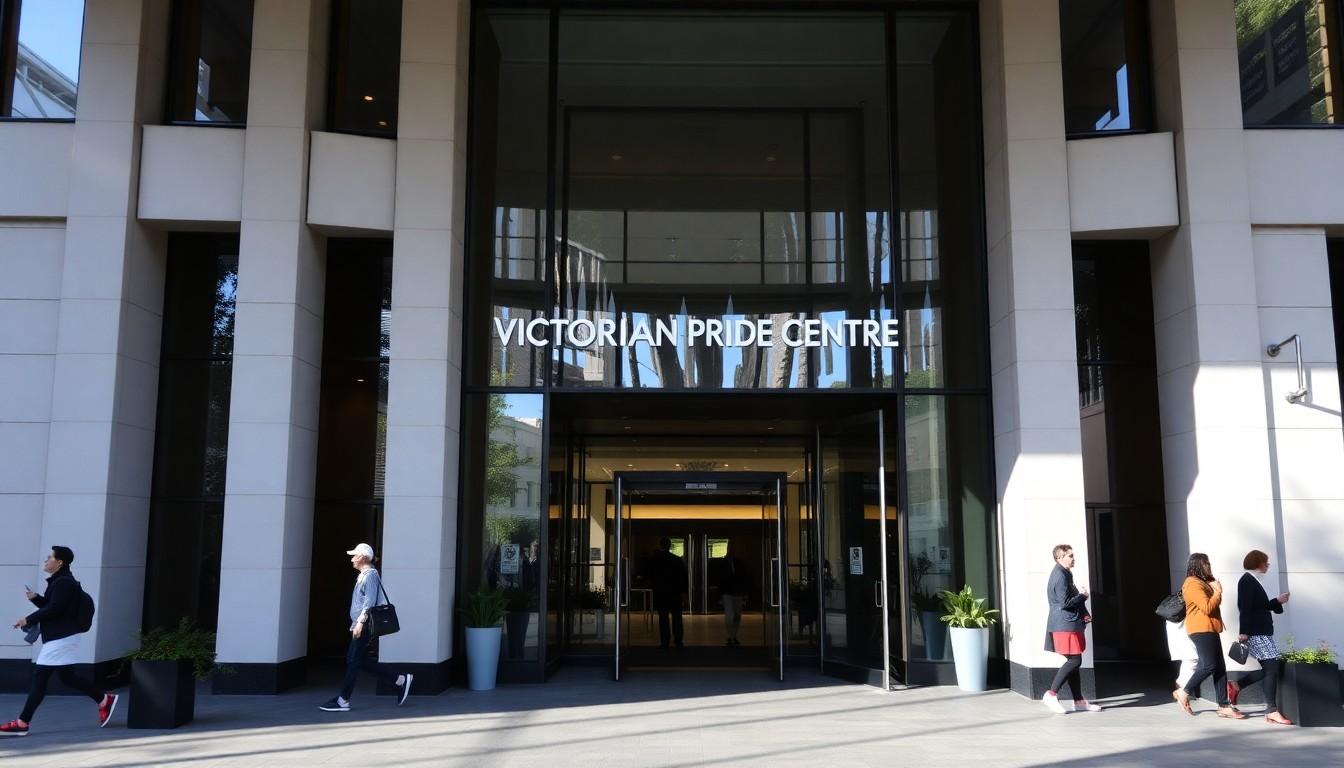
- Community launch: The hub was introduced at the Victorian Pride Centre with a free event that included information sessions and Q&A.
- Focus on belonging: The resource aims to reduce isolation by helping people stay connected to identity, culture and community.
Why an LGBT+ dementia hub matters now
It’s striking how loneliness and old hurts can resurface when someone develops dementia, and that’s exactly what designers of the new hub set out to address. According to Dementia Australia, people from LGBT+ backgrounds often face additional barriers because of past discrimination and fear of not being accepted, so a one-stop online resource that’s visibly affirming can feel like a lifeline. The hub offers a softer, more welcoming first stop than a generic health page, and that can make people more likely to reach out for help.
How the partnership between Dementia Australia and ACON adds value
This isn’t just a rebrand; it’s a collaboration that pairs dementia care expertise with grassroots LGBT+ health experience. ACON’s role brings cultural competence , practical understanding of what makes services safe and respectful for LGBT+ people , while Dementia Australia contributes clinical and educational resources. Together they’ve produced content that speaks to identity as a core part of care, not an afterthought, which industry watchers say is a sensible model for inclusive health communication.
What you’ll find on the hub , practical, everyday help
Expect clear, usable material: plain-language guides for people living with dementia, tips for carers, community stories that validate lived experience, and signposts to affirming healthcare professionals. There are also links to local LGBT+ services, so someone searching for in-person support can find nearby options. For carers, the hub explains how to choose language that preserves dignity and how to support identity when memory changes.
Events and community connection: more than a webpage
The hub’s launch at the Victorian Pride Centre underscores the point that this is meant to connect people, not just inform them. The free community event included an intro to the hub, an information session and a Q&A, offering a friendly space to ask questions and meet others. Community-facing launches like this help normalise conversations about dementia in LGBT+ spaces and reduce the shame or secrecy that can stop people from seeking help.
How to use the hub and what to consider next
If you or someone you care for is LGBT+ and living with dementia, start by browsing the guides and community stories to see how others have navigated identity and care. Use the links to find affirming clinicians, and bring notes to appointments about language and preferences. Organisations often update resources, so check back regularly or sign up for newsletters. If you’re a provider, review the hub as a primer on how to make services more welcoming , small changes in wording or intake forms can make a big difference.
It’s a small change that can make every conversation about dementia feel more human and more honest.
Source Reference Map
Story idea inspired by: [1]
Sources by paragraph: