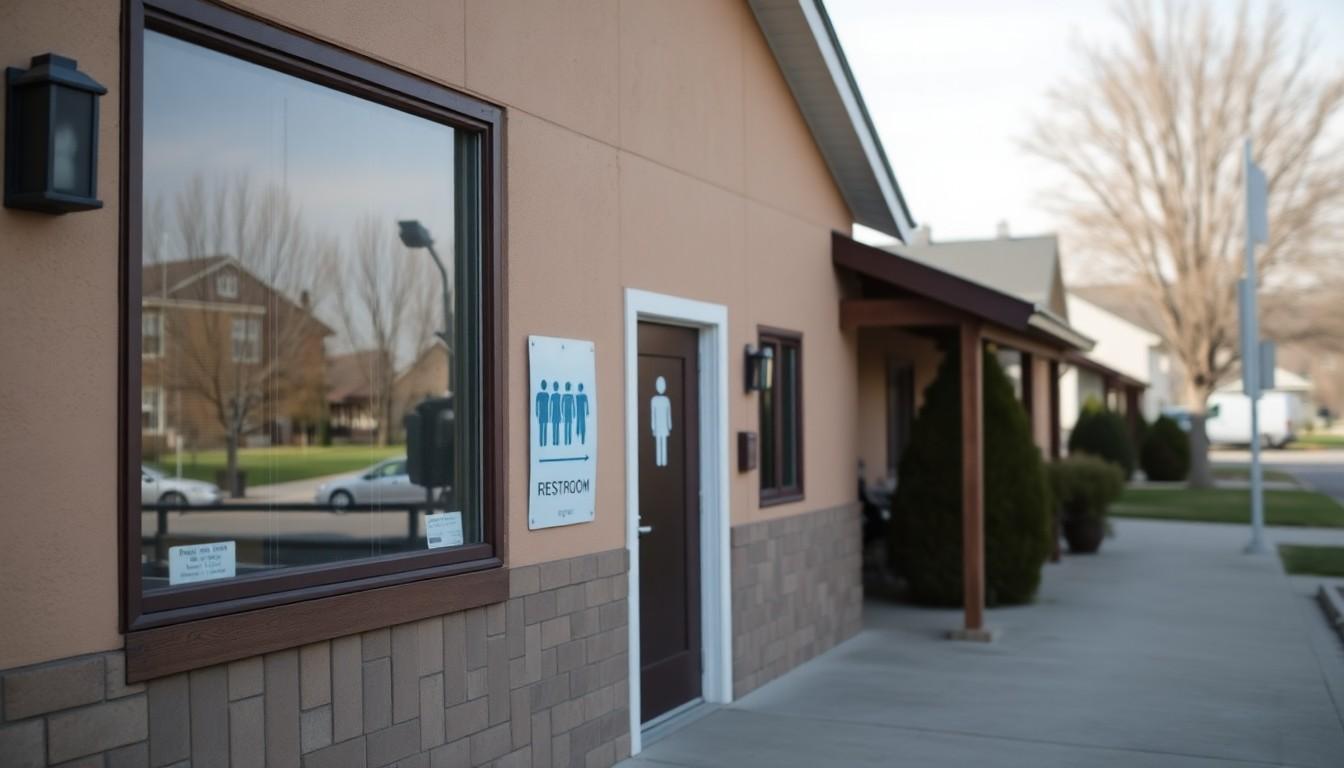
Shoppers and commuters in Idaho are relying on a new, community-sourced Inclusive Bathroom Map to find safe restrooms as a controversial new state law takes effect; the crowdsourced tool aims to give trans people practical, local information and reduce fear when moving through public spaces.
Essential Takeaways
- Community-built resource: Trans Affirm launched an Idaho bathroom list crowdsourced by residents, with hundreds of submissions and ongoing updates.
- Clear categories: The map flags gender‑neutral/private restrooms, gendered-but-inclusive locations, and spots where concerns were reported , easy to scan on the go.
- Why it matters now: The state passed a strict bathroom law criminalising certain restroom use; penalties range from misdemeanour to felony and can escalate with prior offences.
- Temporary legal protection: A federal judge has limited enforcement in certain situations, allowing use of single‑user restrooms consistent with gender identity and multi‑user restrooms when no single‑user option exists.
- Practical feel: The site is described as a “live” tool meant to grow with local knowledge, offering a calm, practical alternative to confusion and fear.
Why a map felt urgent , and why it’s calming to carry one mentally
The launch of this map is a direct, down-to-earth response to new lawmaking that ramped up worry across Idaho’s trans communities, and you can almost feel that collective relief in the project’s tone. According to Trans Affirm, the Idaho Safe Bathroom List was built “by Idahoans, for Idahoans” to increase information access and help people feel prepared when moving through public spaces. The map’s straightforward labels , gender neutral, inclusive gendered restrooms, and flagged concerns , make it practical for quick checks in unfamiliar places.
This tool arrived as the new law took effect on July 1 and follows widespread reporting about the law’s severity. For many people, a simple, searchable list of safe options is less dramatic than legal briefs but far more useful day to day. If you’re planning errands or a trip across the state, keeping the map bookmarked or screenshotting nearby entries can remove a lot of needless stress.
What the law actually does , and where enforcement is limited
Idaho’s statute makes it illegal to “knowingly and willfully” use a sex‑segregated restroom that doesn’t match the sex assigned at birth in government buildings and public accommodation spaces, with penalties that escalate from a misdemeanor to a potential life sentence under the persistent violator rule. That’s a jarring scale; reporters and rights groups have pointed out how unusually severe the penalties are compared with other state laws.
Still, a federal judge granted a partial preliminary injunction that narrows enforcement for now. The ACLU of Idaho explains that trans people may use single‑user restrooms consistent with their gender identity and multi‑user restrooms when no single‑user option is available on the same floor. That clarification reduces some immediate danger, but it doesn’t wipe away the everyday uncertainty that the map seeks to address.
How the map works , what you’ll actually see and how to use it
Trans Affirm’s list is built around community reports and organised to be quick to scan: entries mark single‑stall restrooms, gender‑neutral facilities, locations where staff are known to be welcoming, and places where community members have raised red flags. The organisation calls it a “live, ever evolving resource,” which means additions and edits appear as people submit new information.
Practically, use it like this: before you head into a café, mall or government building, check the map for the nearest single‑user or explicitly inclusive restroom; if nothing’s listed, take a moment to ask staff or look for family or all‑gender signs. Screenshot helpful pins if you expect poor reception on your phone, and consider contributing updates when you find new or changed facilities , community data works only if people keep it current.
Safety, policing and the broader reaction
Even lawmakers’ own enforcement communities raised alarms. Both the Idaho Sheriffs’ Association and the Idaho Fraternal Order of Police opposed the bill, with police leaders warning enforcement could force invasive questioning , a problem that only adds to the map’s usefulness. Journalists and advocates have also noted that prior convictions for similar laws in other states could increase penalties here, an angle that heightens the stakes for people travelling between states.
That reality helps explain why Trans Affirm emphasises community care: institutional safety nets feel thin or absent, so grassroots information sharing becomes a form of mutual aid. For users, that translates to practical tips rather than legal counsel , a list of where to go, what to expect, and where others have felt safe.
What to do next , simple steps for users and allies
If you live in or travel through Idaho, bookmark the Idaho Safe Bathroom List and check it before you leave the house; screenshots and offline access are wise if you expect patchy signal. If you’re comfortable contributing, add accurate reports when you find inclusive restrooms or encounter issues , the map improves with local participation. Allies can amplify the resource on social channels, share updates with friends, or quietly support businesses known to be inclusive.
And remember: tools like this don’t erase policy harms, but they do make daily life more navigable , practical, calm measures that matter.
It's a small, practical shift that helps people move through public spaces with a little less fear.
Source Reference Map
Story idea inspired by: [1]
Sources by paragraph: