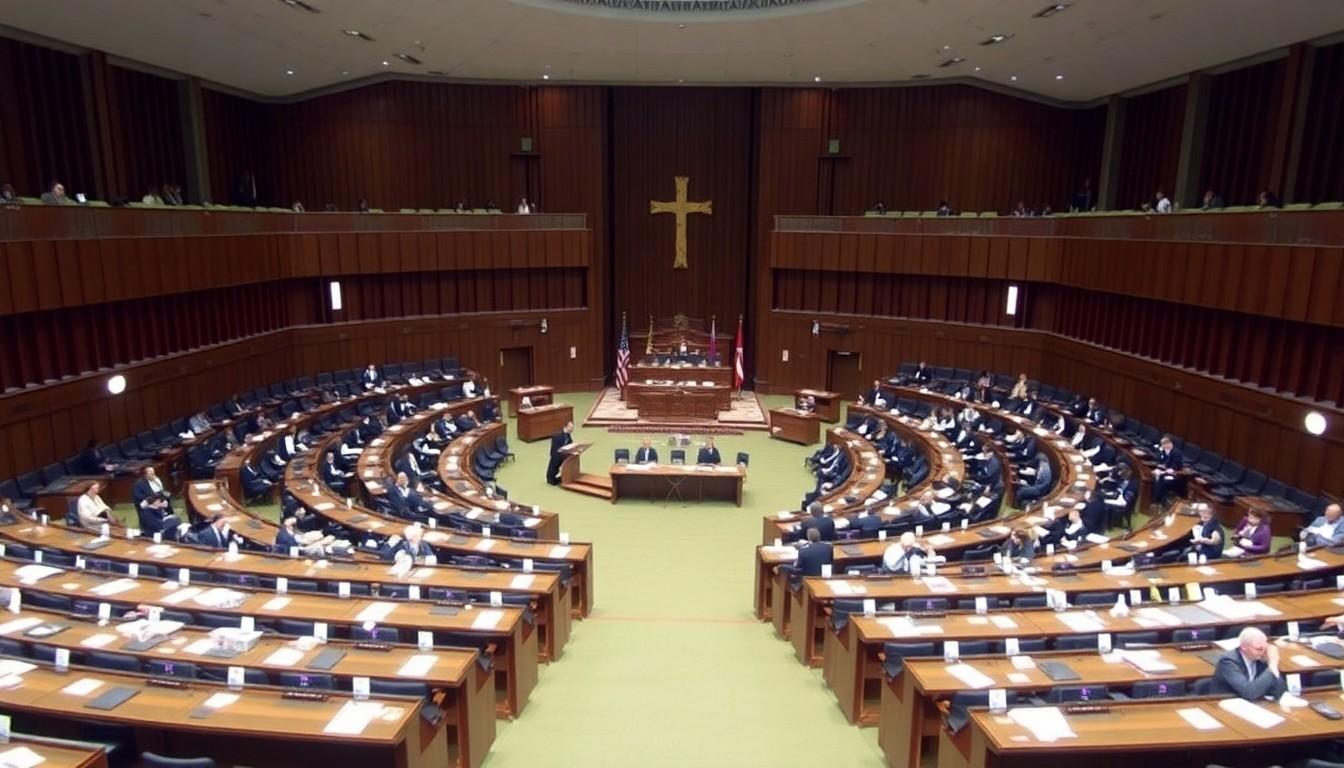
Shoppers of headlines and churchgoers alike have noticed a small but controversial fringe event allowed to run during the Church of England’s General Synod, sparking debate about pastoral care, safeguarding and what counts as conversion therapy , and why that matters for clergy, congregations and lawmakers.
Essential Takeaways
- Event approved: Archbishops Sarah Mullally and Stephen Cottrell have permitted a fringe meeting called “People Change: Sexual Identity Transformation” to proceed during General Synod.
- Speakers named: The line-up includes Matthew Grech and Mike Davidson, both associated with testimonies or therapies claiming change in sexual orientation.
- Safeguarding tension: Critics cited safeguarding and the Synod’s 2017 backing for a conversion therapy ban; organisers say no abusive practices are involved.
- Official limits: The archbishops blocked an exhibition stall tied to the event while allowing the meeting itself to go ahead.
- Wider stakes: The debate feeds into government plans to outlaw conversion practices and a wider Church discussion about pastoral care versus harm.
What actually happened , and why it smells of broader culture wars
The simplest fact is this: the archbishops reviewed objections and decided the fringe meeting could run, though with restrictions. That decision carries a faintly awkward, very public tension , picture a quiet corridor conversation becoming a news story. Critics, including LGBT activists and progressive clergy, had urged the archbishops to use discretionary powers to cancel the meeting over safeguarding concerns and alignment with Church ethos. Supporters argue the speakers share testimonies, not abusive treatments, and deserve a platform.
Who’s speaking and what they say they offer
Matthew Grech, recently cleared in Malta over charges tied to promoting “conversion practices,” and Mike Davidson of the International Foundation for Therapeutic and Counseling Choice are on the bill. Their presence frames the meeting as testimony and therapeutic discussion rather than a campaign for harmful procedures. Organisers and supporters describe the agenda as pastoral: helping people who, for whatever reason, no longer identify as gay or seek different support around gender. That nuance is exactly what fuels the row , where you draw the line between pastoral care and prohibited practice matters a great deal.
Safeguarding versus free theological debate , where’s the line?
The Synod backed a ban on conversion therapy in 2017, and Parliament is moving toward a statutory ban. Those facts make this more than an internal church spat. Opponents worry that permitting a meeting with speakers who support change narratives normalises practices some see as harmful. Proponents contend that a broad brush would sweep up ordinary pastoral conversation and prayer. As Bishop Martyn Snow warned in parliamentary exchanges, ambiguous legal drafting could hamper legitimate pastoral care. In short: clarity in law and in church policy is the practical need here.
What the archbishops actually did , a middle path
Rather than cancel the meeting outright, the archbishops intervened in part: they authorised the fringe event but prevented an associated exhibition stand. It reads as an attempt to balance free expression and safeguarding responsibilities. For many this will feel like compromise; for others it will seem insufficient. Either way, it sets a precedent for how discretionary powers are used and signals the limits of acceptable activity during high-profile church gatherings.
Practical tips for church leaders and attendees
If you’re organising or attending Synod fringe events, be clear on three things: content, intent and safeguards. Spell out whether talks are testimony, pastoral guidance or practical therapy, and provide clear boundaries about methods discussed. If you represent a parish, ask organisers for safeguarding policies in writing; if you’re a delegate, use Synod channels to raise concerns early. For anyone worried about how a forthcoming conversion therapy law might affect their ministry, seek legal guidance and follow Church of England briefings closely.
It's a small decision with larger ripples , one that will shape how the Church balances care, conscience and safety.
Source Reference Map
Story idea inspired by: [1]
Sources by paragraph: