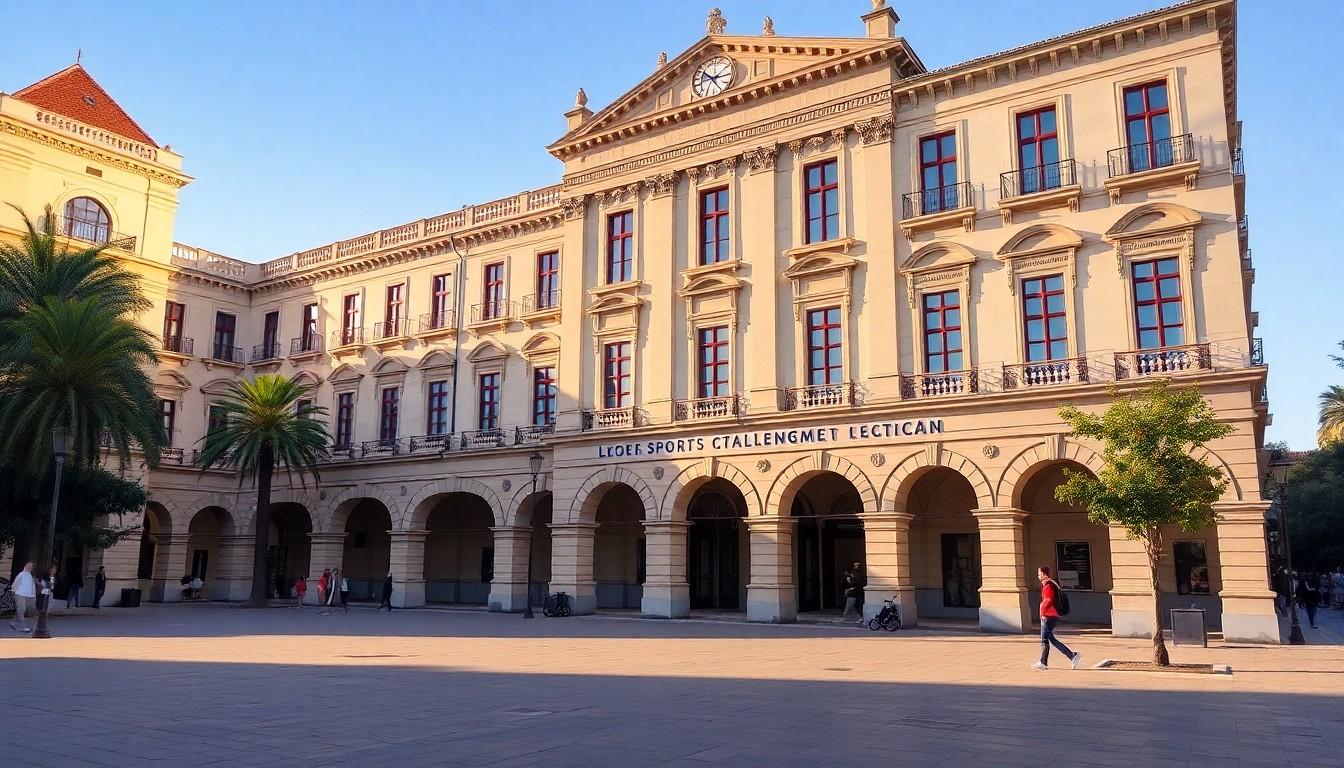
Shoppers of spectacle and sport flocked to Valencia as the Gay Games XII closed on a note of resilience and community; organisers, athletes and families found the event uplifting despite local boycotts, funding strains and heated debates about trans and non-binary inclusion, here’s what worked, what mattered, and why Perth 2030 already feels possible.
Essential Takeaways
- Large turnout: Valencia hosted thousands of participants and reported strong overall attendance, with some events drawing over 13,500 people in the early days, creating a lively, holiday-like atmosphere.
- Inclusion in practice: The Games offered all-gender and open categories and the Federation has signed a Charter for Gender Diversity in Sport, signalling institutional support for trans, non-binary and intersex athletes.
- Local tensions: Several local LGBTQ groups and teams staged a boycott, meaning fewer Spanish competitors than expected, though international participation remained high.
- Cultural buzz: Pop-up bands, choirs and family-friendly programming gave the city a colourful, communal feel, many athletes carried the party on to nearby cities afterwards.
- Momentum for Perth: Valencia’s legacy is already feeding into Perth 2030 planning, with visiting organisers exchanging know-how on ceremonies, scholarships and volunteer training.
Valencia delivered big crowds and a holiday vibe
Valencia felt like a festival as much as it did a multisport event, with teams spilling through plazas and seaside routes that smelled faintly of summer. Local reporting noted robust early attendance numbers, underscoring how much demand there is for an event that mixes competition with culture. Organisers and athletes alike described the post-Games travel around Spain and Europe as an extension of the camaraderie, with groups heading to Barcelona and Madrid to keep the energy going. For anyone thinking of attending future editions, plan to book travel time for both competition and celebration.
Inclusion moves from policy to practice
One of the clearest outcomes of the fortnight was a concrete push on gender diversity. The Federation of Gay Games has now signed a Charter for Gender Diversity in Sport, a symbolic and practical step aimed at dismantling barriers for trans, intersex and non-binary people. The Valencia programme also included all-gender and open sport categories, which helped broaden who could enter. That said, translating policy into day-to-day comfort still needs work, event organisers emphasised training, privacy protections and clear safeguarding so athletes from vulnerable contexts can take part safely.
Boycott exposed local fractures but didn’t stop the show
Despite the festival atmosphere, the host city saw an unusual undercurrent: several local LGBTQ organisations and sports teams boycotted the Games, reducing the expected Spanish competitor base. It was a reminder that inclusion debates are active and sometimes divisive even inside queer communities. Even so, international delegations and thousands of visitors filled venues and cultural sites, suggesting that the global appetite for shared, visible LGBTQ sporting spaces remains strong. For hosts and future bidders, this is a cue to invest in local outreach early and transparently.
Heartfelt highlights: families, music and volunteers
If you asked participants what they’d remember, many pointed to small, human moments, the families on the sidelines, impromptu choral sets in public squares, and the soft, tireless work of volunteers and officials. Organisers made a point of spotlighting officials and volunteers as unsung heroes; their training and coordination kept events running and helped uphold participant safety and dignity. Those details are the glue that turns a sporting event into a safe, joyful meeting place for people of all ages.
Valencia as a stepping stone to Perth 2030
Rather than an endpoint, Valencia looks like a relay hand-off. The Perth 2030 team were present, picking up lessons on everything from scholarship receptions to medal ceremonies. Organisers say Valencia’s momentum will be harnessed to boost participation, shore up financial sustainability and widen access for women and historically marginalised athletes. If you care about the future of queer sport, watching how Perth builds on Valencia will be an interesting case study in scaling inclusivity.
It's a small change that can make every Games feel more open, safer and more festive for everyone involved.
Source Reference Map
Story idea inspired by: [1]
Sources by paragraph: