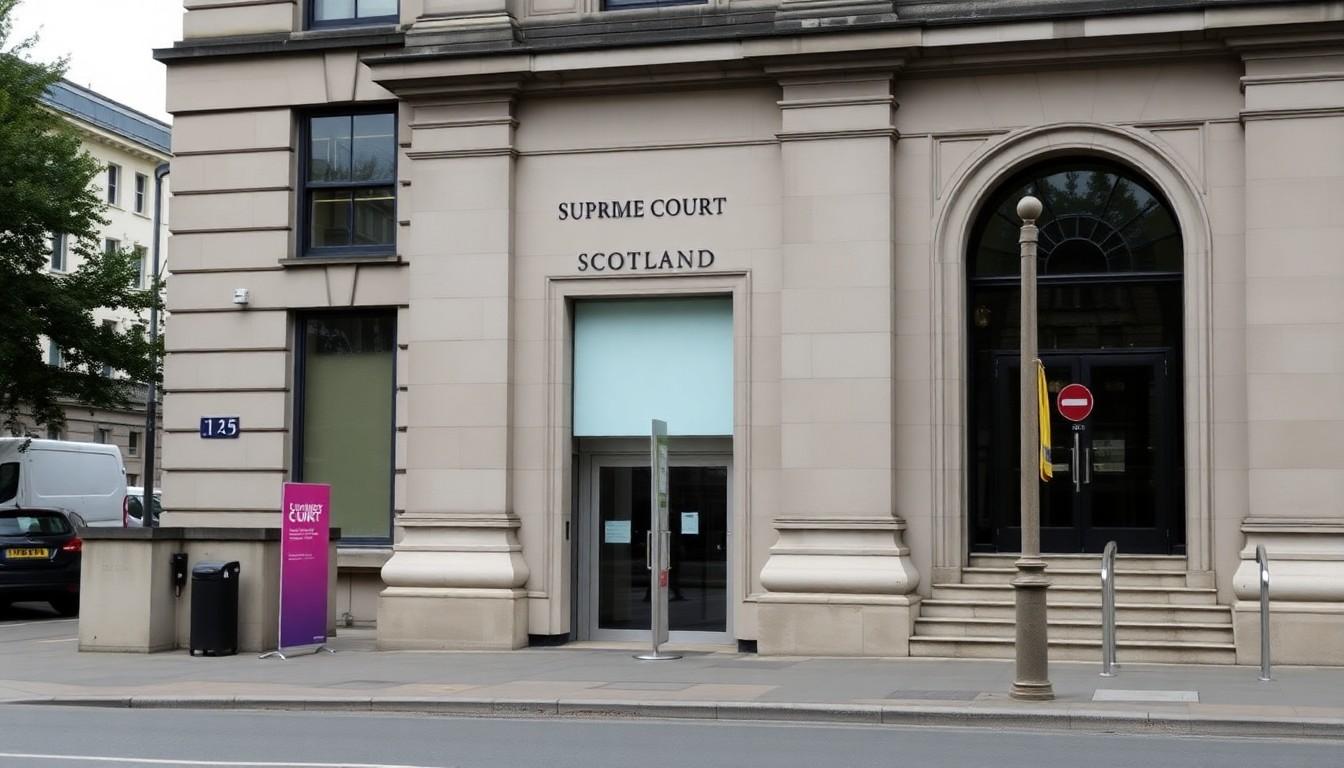
Shoppers are scrolling past the headlines: Amnesty International has published a wide-ranging report exposing a growing anti-rights movement in the UK, and it names groups including Beira’s Place , the women-only abuse support service founded by JK Rowling , as part of that trend. Here’s what happened, who’s listed, and why it matters for women’s and LGBT+ rights.
Essential Takeaways
- Who’s named: Amnesty added 51 gender‑critical and anti‑rights groups to its new UK analysis, including Beira’s Place, For Women Scotland and Murray Blackburn Mackenzie.
- Why they’re listed: The organisations are identified for visibly opposing rights for LGBT+ people or promoting fixed gender roles that can undermine broader human rights protections.
- Legal context: The Amnesty findings come after a Supreme Court judgment on sex under the Equality Act and recent EHRC guidance that shifted legal understandings of gender and sex.
- Impact signalled: Amnesty warns the UK has slid in ILGA‑Europe rankings, citing failures on gender recognition reform, conversion therapy bans and asylum treatment.
- Practical note: Beira’s Place has not commented publicly on the listing; its model remains women‑only, serving those who prefer single‑sex services.
What Amnesty actually found , and why the language matters
Amnesty’s new report treats the growth of gender‑critical groups as part of a broader anti‑rights ecosystem, and it spells out how restricting one group’s rights erodes protections for others. The language is blunt: when activists promote “natural” or “traditional” gender roles, that rhetoric doesn’t only affect policy debates , it reshapes social attitudes, legal arguments and, potentially, access to services. According to Amnesty, that cumulative effect has helped push the UK down ILGA‑Europe’s list of countries on LGBT+ equality.
Beira’s Place in the spotlight , support centre or political actor?
Beira’s Place was set up as a women‑only refuge and counselling service for survivors of sexual abuse and assault, drawing attention partly because of JK Rowling’s public profile and her gender‑critical views. Amnesty’s listing doesn’t accuse the centre of violent acts; rather, it flags the organisation as part of a cluster whose positions oppose legal or social recognition for trans people. Supporters argue single‑sex spaces are about safety and choice; critics say excluding trans women risks hardening stigma. Either way, the listing raises the question: when does a charity’s service model become a political statement?
The legal backdrop: Supreme Court and new guidance
Legal shifts feed straight into this debate. The Supreme Court clarified that, for the Equality Act, “sex” refers to biological sex rather than acquired gender, a decision with knock‑on effects for policy and practice across the UK. The Equality and Human Rights Commission then issued guidance that reflects that ruling, prompting concerns from campaigners on all sides. Amnesty points to these developments as part of why the UK’s international standing on LGBT+ rights has suffered, alongside failures to ban conversion practices and improve treatment of LGBT+ asylum seekers.
What this means for survivors and service provision
On the ground, survivors of sexual violence are left navigating a fraught landscape. Some want women‑only services and feel safer in them; others fear exclusion and reduced access if strict biological definitions are enforced. Organisations providing support now operate in a politicised environment where service decisions are scrutinised for their ideological implications. Practically, charities and statutory providers will need clear policies that balance safety, dignity and non‑discrimination , and funders will be watching for legal compliance and reputational risk.
Wider trends: anti‑rights networks and the slippery slope
Amnesty frames a pattern: small groups and think‑tanks that begin by contesting gender concepts can network with other actors , political, religious, or legal , creating a wider pushback against progressive rights. The report likens the process to a snowball, where ideas once marginal can become mainstreamed through coordinated campaigns and high‑profile court cases. For campaigners on both sides, that’s a warning shot: public debate, courts and policy are all battlegrounds, and the stakes include not just legal texts but everyday access to services and social inclusion.
It's a small change that can make every service safer and fairer to access , and the debate is far from over. Watch for more reporting, local policy updates and charity statements as organisations respond.
Source Reference Map
Story idea inspired by: [1]
Sources by paragraph: