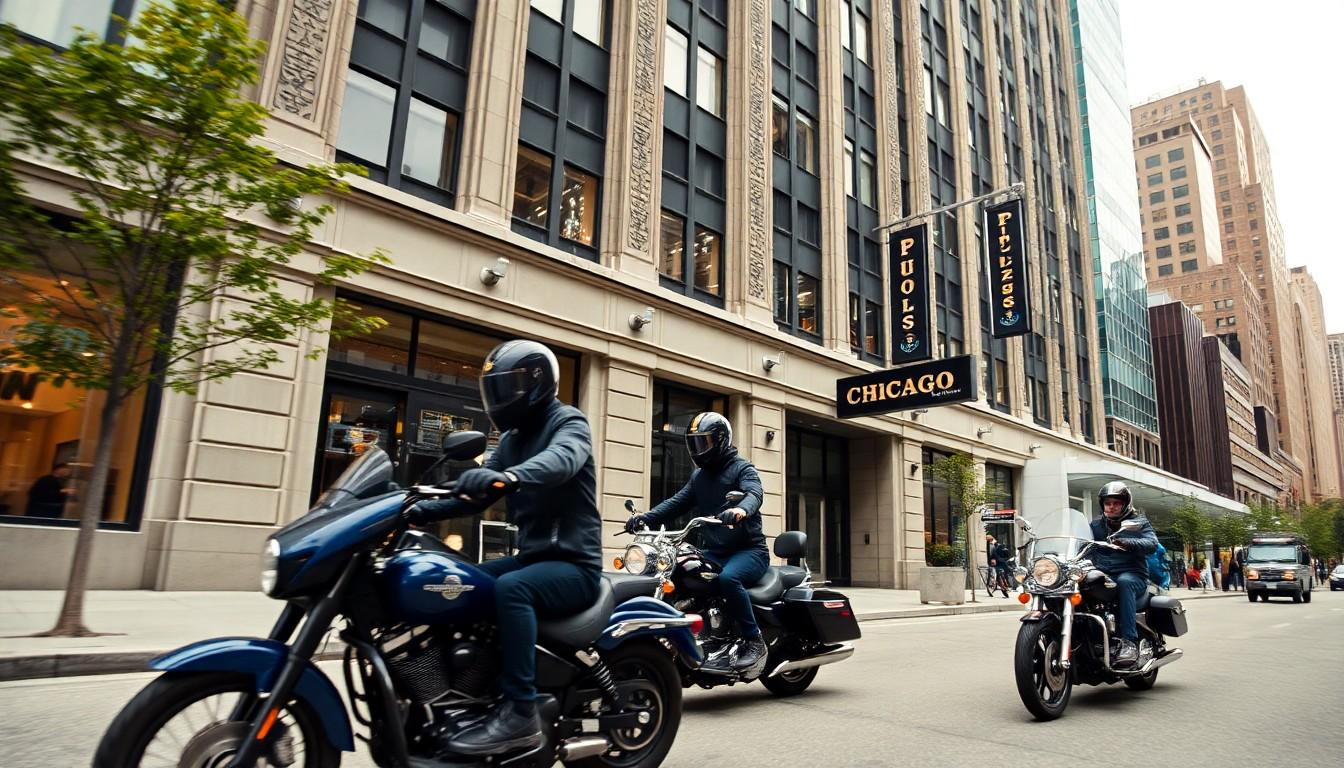
Shoppers and parade-goers keep looking to the roar at the front: Dykes on Bikes. At Chicago Pride 2026, roughly 30 women riders , official chapter members, local clubs like the Bleeders and Bikes and Mics, and independent riders , rode to honour legacy, build community and make queer visibility loud and joyful.
Essential Takeaways
- Historic roots: Dykes on Bikes began in San Francisco in 1976 and inspired riders nationwide; Chicago sightings date back to 1987 with Antonia “Tata” Flores.
- Local groups matter: Chicago crews such as Bikes and Mics, the Bleeders and Babes Moto Lounge offer mentoring, themed costumes and a welcoming vibe.
- Emotional impact: Riders report goosebumps, healing moments and the thrill of being cheered , it’s visibility with a visceral, noisy joy.
- Practical vibe: New riders find confidence and safety through community-led meetups and mentorship; many groups run themed rides and safety trainings.
- Political context: Riding is framed as both celebration and active resistance amid shrinking queer rights , joy becomes a protest.
Why the roar still matters: visibility, noise and joy
The first thing you notice is the sound , a low, collective rumble that makes onlookers look up and cheer, and riders grin under their helmets. According to local riders, that roar is part announcement, part celebration. The practice of claiming the front of Pride parades goes back to the movement’s roots in San Francisco, and the symbolism has carried across decades and cities.
Historical context helps explain why this matters now. Riders in Chicago point to Antonia “Tata” Flores’ 1987 appearance as a turning point for local visibility, and groups across the city continue that thread. If you want to understand contemporary Pride, don’t just look at floats and speeches , watch the bikes lead the way.
How clubs turn strangers into riders: mentorship and meetups
For many new riders, the entry point was a single meetup or a free safety course; others met their clubs at a bar or a themed event. Bikes and Mics and the Bleeders, for example, emphasise encouragement over bravado, offering mentorship and shared rides so novices can build skills and confidence.
Practical tip: if you’re new, ask about group rides, safety drills and a buddy system. Experienced riders are often eager to coach, and that community cushioning shortens the learning curve and makes parading less intimidating.
Costumes, themes and community theatre on two wheels
One of the most delightful aspects is the theatricality. Groups pick themes , favourite fierce legends, icons like Tina Turner or Carmen Miranda, playful kitsch , and parade as a moving stage. Costumes create instant connection with the crowd and make the ride feel celebratory, not merely ceremonial.
This theatrical element also performs another function: it makes the political readable. When riders dress in exuberant homage and wave to teenagers in the crowd, they’re sending a message that queer identity is to be celebrated, seen and protected.
Legacy riders and family stories: carrying the torch
Several riders we spoke to described intergenerational ties: nieces carrying on an aunt’s tradition, women who first saw Dykes on Bikes and later joined, elders who’ve been at it for decades. That continuity is powerful. It turns a parade appearance into a living family history and anchors a local queer motorcycling culture.
According to organisers who steward these ties, keeping the lineage alive takes both ritual and outreach: showing up at Dyke Marches, offering public workshops, and inviting young folks to ride alongside veterans.
Riding as resistance and healing
For many participants, riding is both pleasure and protest. In a political climate that many describe as hostile, showing up on a motorcycle with friends is a visible, joyous rebuke. Riders spoke about healing family relationships, reclaiming confidence, and helping teenagers see themselves reflected in a celebratory public moment.
A practical note for anyone considering joining: the emotional upside is real. Expect cheering, somatic reactions like goosebumps, and small but meaningful exchanges with people in the crowd , a teenager’s smile or an older couple’s supportive sign can make the whole day worth it.
It's a small change that can make every ride feel like a statement and a celebration.
Source Reference Map
Story idea inspired by: [1]
Sources by paragraph: