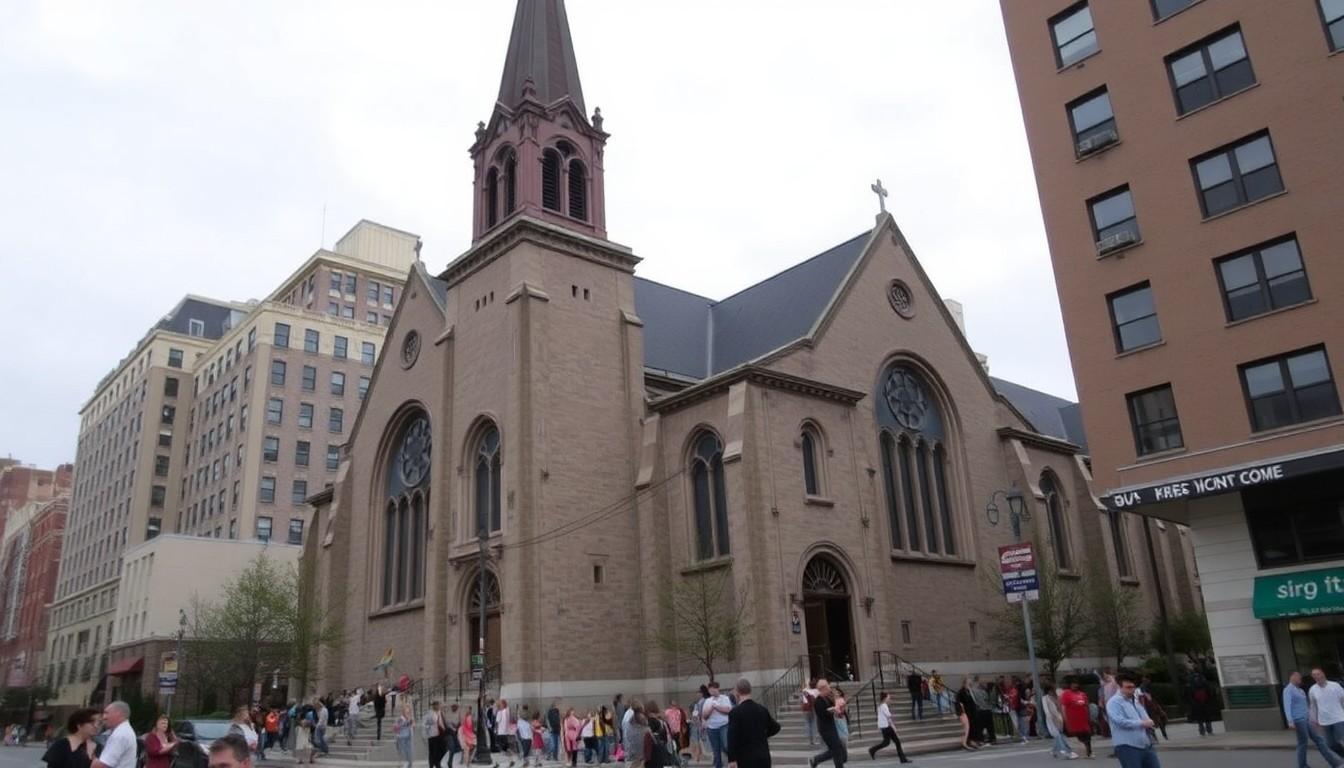
Shoppers of conscience and curious Catholics alike are watching as a small number of US parishes openly mark Pride Month with special Masses; priests say it’s about welcome and accompaniment, while critics call it a breach of doctrine , and the debate is reshaping parish life.
Essential Takeaways
- What happened: A Hoboken parish has for nine years held a Pride Mass that welcomes people who identify as LGBTQ and their partners, drawing both local families and national attention.
- Tone and feel: Participants describe the liturgy as warm and inclusive, with a community atmosphere and visible families bringing children.
- Clerical stance: The pastor defends the practice as pastoral accompaniment in line with recent episcopal outreach, while critics argue it conflicts with the Catechism.
- Practical impact: The events spark strong reactions , petitions, calls and emails , and prompt wider conversation about how parishes balance doctrine and outreach.
- What to know if you attend: Expect an intentionally welcoming environment; if you’re a priest considering something similar, prepare for pastoral as well as administrative fallout.
A pastor’s choice that looks and feels pastoral
Father Alexander Santora of Our Lady of Grace in Hoboken has been running an annual Pride Mass for nearly a decade, and he says people come with their children and partners, often for the first time. That warm, neighbourly image , families holding hands, parishioners introducing partners , is the scene he describes when explaining why the Mass matters to him and his community. According to the parish’s own ministries information, the LGBTQ outreach is an established part of parish life and presentation, so this isn’t a one-off stunt but a settled pastoral practice.
Why some bishops and priests are signalling accompaniment
Santora points to the tone set by senior church figures who have urged pastoral outreach to LGBTQ people, arguing that accompaniment can crack hardened attitudes and draw people closer to faith. Other priests and diocesan leaders have echoed similar language, framing such liturgies as attempts at welcome rather than doctrinal revision. The parish leadership page confirms the priest’s role and the parish’s ongoing ministries, suggesting the effort is both intentional and officially presented.
Where doctrine and pastoral care collide
Not everyone sees these services as merely pastoral. Critics insist that celebrating a Pride Mass and using the word “pride” , itself traditionally flagged by the Church as a vice , risks suggesting affirmation of behaviours the Catechism describes as disordered. That tension is central to the controversy: some Catholics want more visible welcome, while others warn that liturgical gestures can blur long-standing teaching. The debate plays out in letters, petitions and phone calls to the parish and diocese, underscoring how emotionally charged the issue is for many faithful.
Community response: petitions, praise and pushback
The response to such Masses tends to be polarised. Organised groups and individual faithful have launched petitions and written thousands of messages asking for cancellation, while other parishioners and visitors praise the inclusivity and report feeling finally seen. Diocesan communications and third-party activist pages show both the mobilisation against and the support for these events, reflecting broader cultural divides that Catholic communities are having to navigate in real time.
Practical tips for curious Catholics and clergy
If you’re thinking of attending or organising a similar liturgy, a few practicalities matter: clear communication with the diocese, pastoral preparation for families and catechesis for parishioners, and readiness for both outreach and dissent. Parishes that have hosted Pride Masses tend to emphasise accompaniment and invitation, but they also must be prepared for administrative questions from their bishop’s office. Whether you’re a curious visitor or a priest weighing the pastoral costs, honesty about intentions and pastoral duties helps steady the conversation.
It’s a small change in ritual that’s making a big noise , and whether you cheer or fume, these Masses are forcing parishes to ask what welcome looks like in practice.
Source Reference Map
Story idea inspired by: [1]
Sources by paragraph: