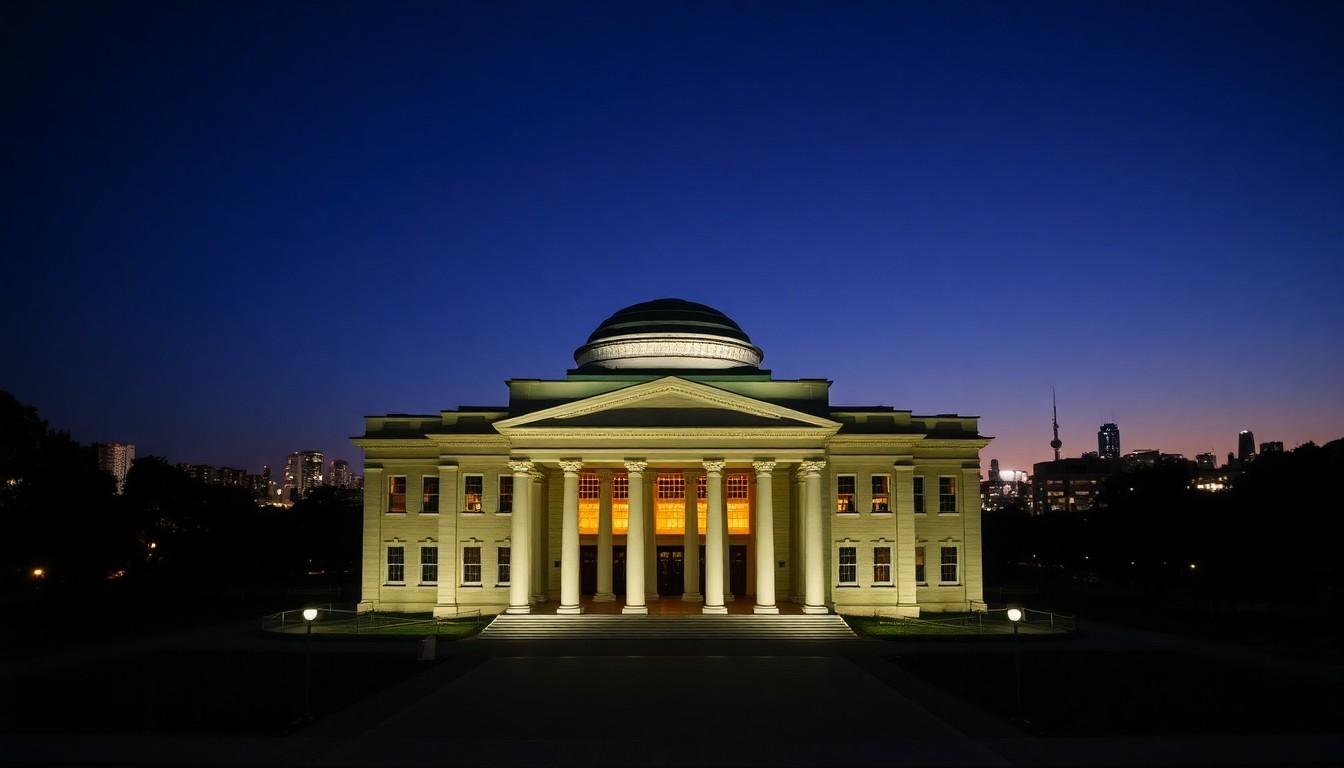
Shoppers of history and queer community members are turning up: Auckland Museum is opening its archives for a one-night event that revisits the grit, humour and creativity behind Aotearoa’s Homosexual Law Reform 40 years on , a moving, visual and political evening that matters to anyone curious about how rights are won.
Essential Takeaways
- What’s on: A late-night programme on 29 July featuring storytelling, performance and rarely seen archival items.
- Who’s speaking: Hosted by Louisa Wall with Dame Fran Wilde, Edward Cowley, Bruce Kilmister and Welby Ings sharing personal and political memories.
- Vibe and visuals: Expect taonga and objects from the era, archival photos and lively recollections about drag, fundraising stunts and protests.
- Practicals: Doors 6.30pm, event 7.30pm in Te Ao Mārama South Atrium; tickets from $25 (concession), bookings essential.
- Why it matters: The anniversary is both celebration and prompt to remember how organising, creativity and resistance changed the law and culture.
A late, emotional evening that brings archives to life
This is a museum night that feels like a living room of memory , intimate, occasionally funny and often raw. Auckland Museum will pull out objects and papers tied to the 1980s campaign, letting you see the material culture behind headlines and speeches. According to event listings, curators will put archival items on display alongside live testimony, so the past won’t feel like something behind glass; it’ll feel immediate and tactile. If you want to touch the story of how law and community met, this is the way to do it.
Speakers you recognise, stories you might not have heard
The line-up reads like a who’s who of that political moment. Louisa Wall will host the evening and Dame Fran Wilde , who put the bill into Parliament , will be there to explain the parliamentary and personal work that went into change. Others involved in the wider movement will talk about tactics, from fundraising hijinks to the persistent activism that followed the bill. Reports and event notes show organisers aiming for a mixture of the political and the performative, so expect anecdotes about nightclub marches, drag as protest, and the small acts of courage that tipped opinion.
Why the 1986 law still matters today
The Homosexual Law Reform Act passed in 1986 after a fierce national debate and narrow parliamentary margin; it decriminalised consensual sex between men aged 16 and over and reshaped legal and social life. Histories of the period underline that change wasn’t instantaneous , cultural acceptance lagged behind legal reform , which is why evenings like this double as both celebration and check-in. Museums and libraries across Aotearoa have been staging exhibitions and talks to mark 40 years, and this event plugs into a wider, reflective anniversary season.
What you’ll actually see and hear
Curators will bring out tangible items connected to queer life and creative expression in Tāmaki Makaurau , posters, flyers, photographs and other taonga that smell faintly of the 1980s and carry stories you won’t find online. Performances and storytelling will thread through the objects, giving context: how a fundraiser paid for legal advice, how a club night became a meeting place for resistance. Practical tip: arrive early to view the displays before the discussions start, and bring cashless payment for any merchandise or donations.
Who should go , and what to expect afterwards
This night is for anyone who wants to understand queer history beyond textbooks: activists, students, families, and people who lived the era and those who didn’t. It’s also for allies who want to see how grassroots organising changes law and culture. Tickets aren’t expensive but do sell, so book ahead; members get a discount and concessions are available. After the formal programme, expect small conversations to continue in the atrium and around the city’s pride calendar , it’s a good night to linger and share memories.
It’s a small, powerful reminder that rights are made by people who turn up, speak up and sometimes perform loud enough to be heard.
Source Reference Map
Story idea inspired by: [1]
Sources by paragraph: