Shoppers of ideas have noticed a shift: religious texts are being used as active guides for inclusion. Rabbi Mike Moskowitz’s June visit to Tidewater showed how Torah study can turn allyship from a label into a lived, communal practice that matters for LGBTQ+ Pride Month and beyond.
Essential Takeaways
- Rooted teaching: Rabbi Moskowitz links allyship to the weekly Torah portion, grounding modern inclusion in traditional text.
- Practice over label: Allyship is presented as ongoing work, not a static identity, with practical steps for listeners.
- Cross‑community appeal: The event drew people of many faiths and backgrounds and partnered with local civic groups.
- Collaborative backing: The programme was presented by United Jewish Federation of Tidewater with Jewish Book Council and local LGBTQ+ partners, and supported by a city arts grant.
- Accessible voice: Moderated conversation made dense sources feel immediate and hopeful for LGBTQ+ Jews wanting belonging.
A live sermon on allyship that felt like a conversation
Rabbi Moskowitz opened the event with a calm, deliberate framing that made ancient words feel freshly useful; you could almost hear people lean in. He used passages from the weekly Torah portion to show how responsibility and belonging are knitted into Jewish practice, and he emphasised the tactile dimension of allyship , listening, showing up, and doing the small, sometimes awkward work. According to the Jewish Book Council, this approach is central to his book Ancestral Allyship, which treats allyship as a spiritual discipline rather than a slogan.
From Richmond roots to a Tidewater audience
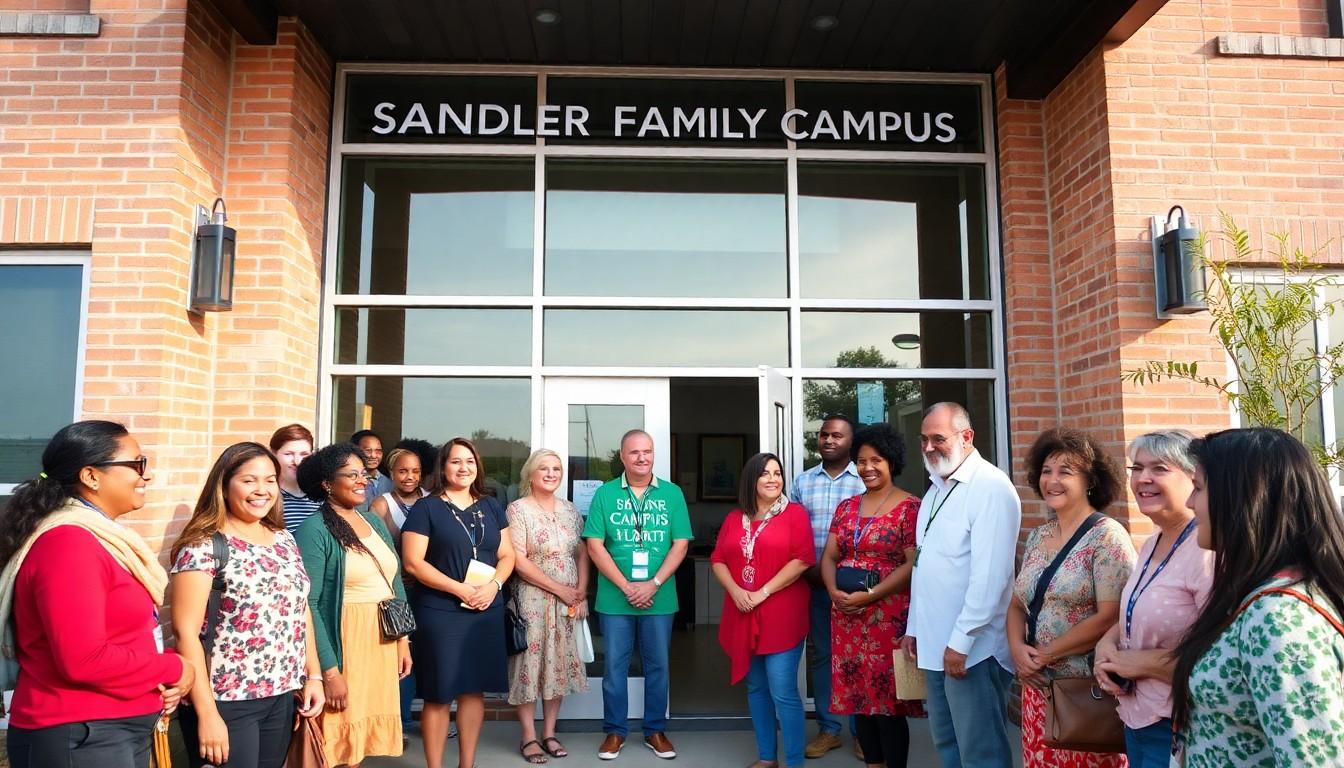
Moskowitz’s Virginia backstory , growing up in Richmond and spending formative time in Virginia Beach , gave the evening a local colour that made the visit feel personal and grounded. The United Jewish Federation of Tidewater’s Arts + Ideas series brought him back to the Sandler Family Campus, and the event’s partners made it clear this was meant to reach beyond synagogue walls. The result was a room of mixed ages and faiths and a conversation tailored to people who wanted practical, ethical ways to support LGBTQ+ neighbours.
Why Torah makes a surprising toolkit for modern inclusion
It’s tempting to think scripture is only for ritual, but Moskowitz demonstrated how traditional texts can be read as ethical prompts , nudges to act rather than rules to police. He returned repeatedly to the phrase b’tzelem Elohim, reminding the audience that seeing others as created in the image of God carries behavioural consequences. Jewish Book Council profiles of his work highlight the method: link identity, responsibility and belonging in each weekly portion so readers can practise allyship step by step.
Conversation over lecture: the power of good moderation
Deb Segaloff moderated and helped translate dense ideas into everyday terms, praising Moskowitz’s focus on inclusion and the things that unite people. That conversational tone matters; when complex theology is presented as a shared exploration, more people feel invited to join in. Local attendees, including members of the Virginia Beach Arts and Humanities Commission, described the evening as welcoming and resonant, especially for those whose identities sit at multiple intersections.
Practical takeaways for faith communities wanting to try this
If your community wants to follow Tidewater’s example, start small: choose a weekly text, name a specific act of allyship, and practise it over a month. Partner with local LGBTQ+ groups and civic arts bodies to broaden reach and legitimacy, and consider using resources like Rabbi Moskowitz’s Ancestral Allyship or events hosted by the Jewish Book Council as curricular guides. For congregations worried about pushback, framing allyship as a spiritual discipline rooted in shared texts can shift debates from politics to practice.
It's a small change that can make communal belonging a habit, not just a headline.
Source Reference Map
Story idea inspired by: [1]
Sources by paragraph: