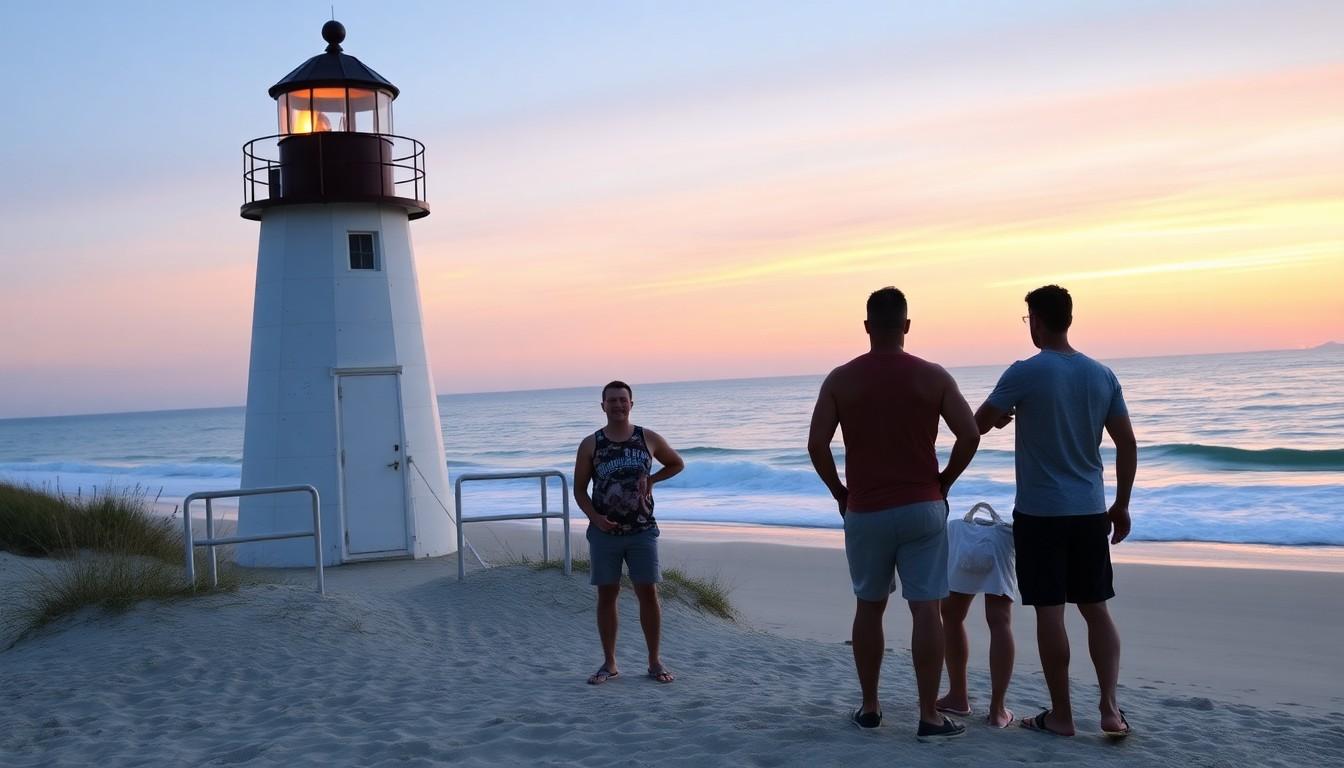
Shoppers, visitors and residents are watching as New York doubles down on a cherished LGBTQ+ refuge , restoring Fire Island’s dunes while expanding access to HIV prevention and telehealth so the community has both a safe place to gather and the care to thrive.
Essential Takeaways
- Coastal action: New York partnered with the U.S. Army Corps to rebuild dunes and shorelines, giving homes and businesses more protection from storms and erosion.
- Cultural significance: Fire Island Pines is a living LGBTQ+ landmark, with deep roots in community, nightlife and activism that date back decades.
- Health access expanding: State policies now support telehealth and wider PrEP access, making prevention and long-term HIV care easier and more private.
- Economic confidence: Infrastructure and environmental certainty are encouraging investors and small-business owners to put money into the island’s future.
- Practical win: When places and people are both protected, tourism, jobs and community resilience follow , and so does better public health.
Why dune restoration matters , and what it feels like on the beach
The most immediate change you notice is the sand: reshaped, higher, and buffering the roar of the Atlantic with a quieter, steadier shore. According to the governor’s office, the US Army Corps project aims to reduce flood risk and replace lost dunes, which are the island’s first line of defence. That’s not just engineering , it’s a visible promise that communities can stay put rather than relocate under pressure. For visitors and homeowners, the work feels reassuring; it’s the kind of practical intervention that lets small businesses plan ahead rather than brace for the next storm.
Fire Island’s role in LGBTQ+ history , why preservation is cultural as well as physical
Fire Island Pines and neighbouring communities became safe harbours long before social media existed, where people could forge identities, friendships and activist networks in plain sight. Organisations like the Pines History Project and the Fire Island Association document decades of gatherings, parties and political organising that made the island a cultural institution. Preserving dunes and boardwalks is also preserving the backdrop for that history , the places where stories were made, and where younger generations can still find belonging.
Investment follows certainty , how restoration fuels local economies
When the state and federal agencies commit to major flood-risk projects, investors notice. The public works give owners confidence to upgrade properties, host events, and book seasons. That’s already translating into millions being poured into hospitality, entertainment and infrastructure, which means more jobs and a fuller calendar for summer and off-season alike. For locals, the immediate benefit is practical: improved access, safer homes and steadier business forecasts. For visitors, it means the Pine’s nightlife and quieter daytime charms are likely to stick around.
Telehealth and PrEP: modernising HIV prevention where communities gather
Meanwhile, the conversation about protecting the island’s future wouldn’t be complete without addressing the people who use it. Telehealth platforms are changing how sexual health services are delivered, and New York has backed policies to make those services more accessible. With tools like PrEP more widely available and remote care options preserved, getting tested, starting prevention or maintaining treatment is simpler and more private. That matters on islands where discretion and convenience can remove barriers that used to keep people from seeking care.
Why both place and people matter , the bigger picture
It’s easy to treat coastal engineering and HIV prevention as separate issues, but they’re linked by one idea: investment in future possibility. Restoring dunes protects the physical stage where a community gathers; expanding health care access protects the people who populate that stage. Together, they sustain the rituals, economics and safety that keep Fire Island a vibrant refuge. Policy choices that pair environmental resilience with health access create a stronger legacy for the next generation.
It's a small change that can make every visit and every life a little safer.
Source Reference Map
Story idea inspired by: [1]
Sources by paragraph: