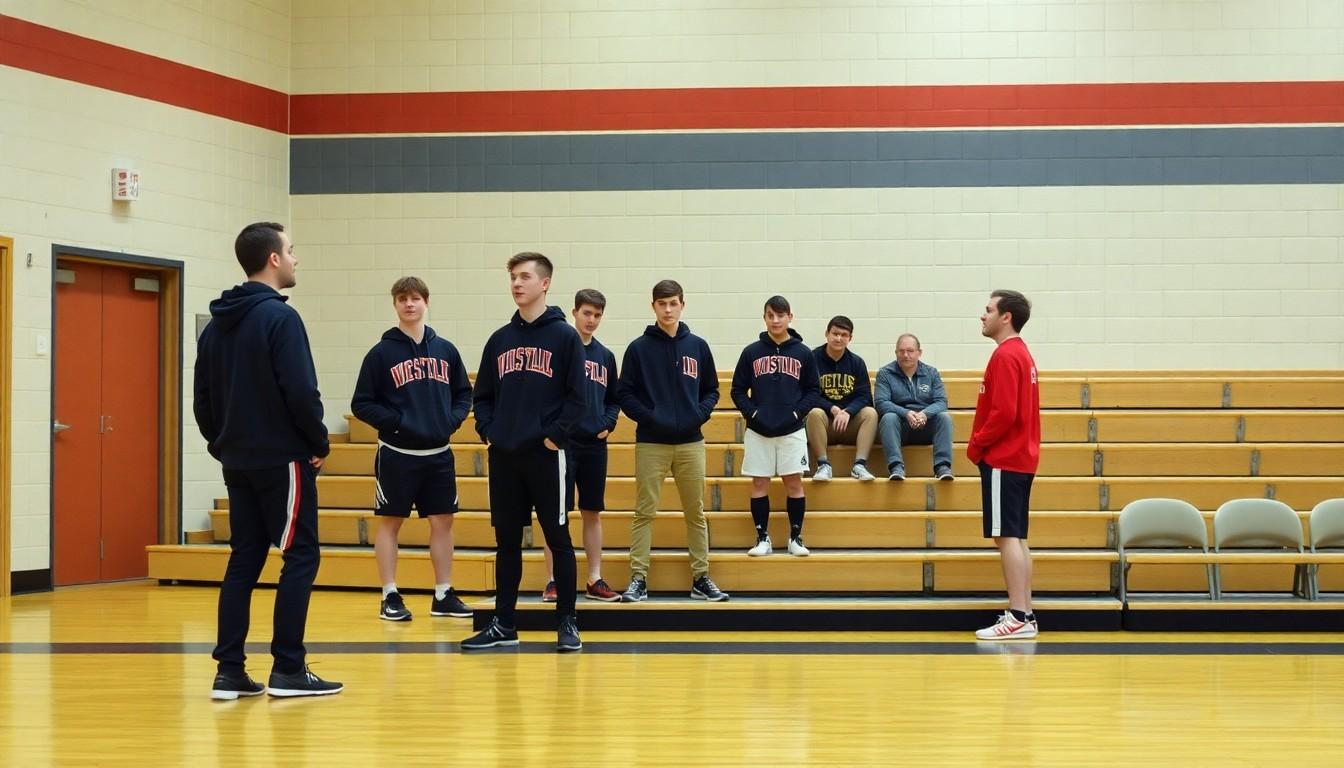
Notice how the wrestling room becomes a small world of bodies and rules, students, coaches, managers, and parents negotiate masculinity and belonging in a hot, sweaty gym; this piece looks at why that matters, who it affects, and practical ways schools and clubs can reduce shame and protect young people.
Essential Takeaways
- Intense physicality: Wrestling spaces are sensory, heat, sweat and close contact create a charged environment that shapes behaviour and belonging.
- Shame is social: Shame about desire, gender or simply not fitting in is learned through language, ritual and the way teams organise themselves.
- Power matters: Team hierarchies, locker-room culture and comments from peers can compound isolation for queer and gender-nonconforming students.
- Simple fixes help: Clear policies, coach training and designated safe spaces reduce harm and make sports accessible to more young people.
- Community resources exist: Local wrestling clubs, academies and advocacy groups offer coaching best practice, inclusive programming and safeguarding guides.
Wrestling rooms are sensory theatres of masculinity
Step into a high‑school wrestling gym and the first thing you notice is the heat: bodies close, skins slick, breath loud. That sensory detail is not incidental; it’s the backdrop against which identities are performed and policed. The way boys stand, flex and joke is part sport, part social signalling, and part reputation management. For some, it’s empowering; for others, it’s a source of anxiety or shame.
The environment gives rise to rituals that teach who belongs and who doesn’t. Coaches and parents often see only the athletic output, while the quieter lessons, about language, touch and boundaries, go unnoticed. Recognise the room’s physicality if you want to change its culture: small practical steps, like reorganising schedules, adding privacy options and normalising neutral hygiene talk, start to shift how people feel in that space.
Shame is learned , and it can be unlearned
Shame rarely arrives fully formed; it’s stitched into everyday moments: a thrown slur, a scoff at difference, a private joke repeated loudly. Those micro‑events accumulate until a student’s body becomes “other” in the eyes of the team. That’s why interventions need to be social as well as individual.
Schools and clubs can counteract learned shame by naming it and offering alternatives. Workshops that discuss consent, language and empathy aren’t soft add‑ons: they’re preventative. Peer mentoring and inclusive team roles, where managers, trainers and non‑competing students are visibly valued, dilute the single model of toughness that breeds exclusion.
Coaches set the tone , train them to lead differently
Coaches are gatekeepers of culture, and their reactions to taunts, slurs or risky behaviour signal what’s acceptable. When coaches intervene consistently, bad language and boundary violations fall. When they don’t, harmful norms calcify.
Practical coaching steps include adopting clear anti‑harassment rules, running short pre‑practice check‑ins about wellbeing, and making reporting simple and confidential. Many community clubs and academies publish safeguarding frameworks and coaching modules that schools can adapt. Investing a few hours in training pays off in team morale and fewer incidents.
Design the space and schedule to protect privacy and dignity
Physical arrangements matter. Shared changing areas and “open” beds on trips can create claustrophobic situations where questions of desire and orientation surface painfully. Simple design choices, timed use of changing rooms, private stalls, separate sleeping arrangements on trips, reduce daily stress without singling anyone out.
On the organisational side, assign mixed responsibilities (equipment, filming, warmups) so everyone has a role that isn’t tied to gender performance. That normalises a diversity of contributions and reduces the pressure to perform masculinity as the only route to status.
Offer targeted support: policies, allies and outside partners
Policy makes behaviour negotiable. Clear, well‑publicised anti‑bullying and inclusion policies give staff and students permission to act. Schools should identify allies, teachers, athletic trainers, club leaders, who are trained and visible to students. External partners, from local wrestling academies to advocacy organisations, can bring expertise on safe practice and inclusion.
If an incident occurs, follow protocols that protect confidentiality and prioritise the welfare of the targeted student. Restorative approaches can work if the perpetrator shows insight and the harmed student agrees, but protection comes first.
Closing line
A few thoughtful changes to how we run teams and design spaces can turn a sweaty, exclusive mat into a place where everyone learns strength without shame.
Source Reference Map
Story idea inspired by: [1]
Sources by paragraph: