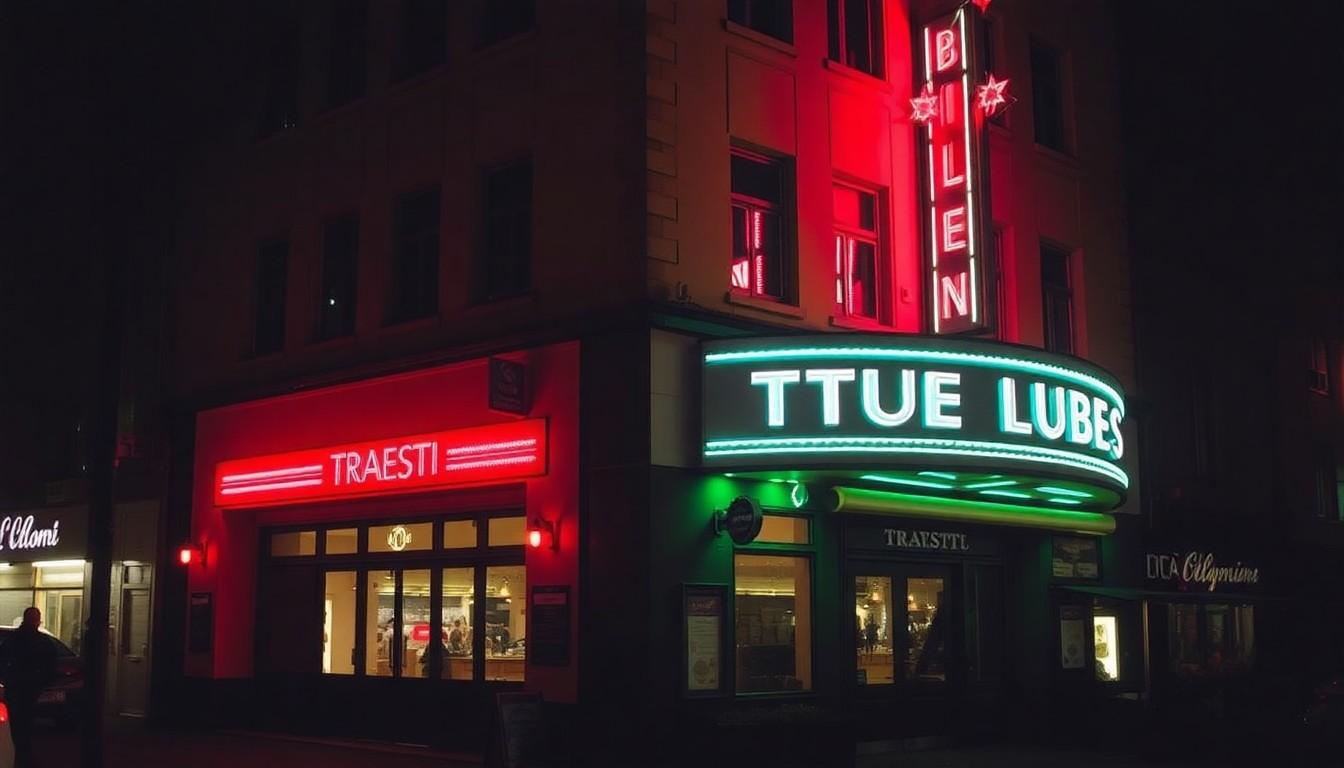
Spotlight a city differently: tourists and locals alike are rediscovering Berlin’s queer past through guided walks that mix vivid storytelling, archival visuals and a touch of activism , and it matters because these tours turn hidden storefronts and supermarket facades into living memory.
Essential Takeaways
- Historic contrast: Tours often show side-by-side images of 1920s cabarets like Eldorado and the Nazi-era transformations, creating a striking visual shift.
- Personal-led storytelling: Many guides combine academic background in gender or sexual studies with lived experience, making the tours feel intimate and informed.
- Activism through memory: Guides frame their work as remembrance and education, highlighting queer persecution under the Nazis alongside early freedoms.
- Accessible formats: Walks use tablets, photos and short clips to reconstruct lost interiors, making history tactile and immediate.
- Safety and relevance: Tours discuss rising queerphobic violence today, linking past abuses to contemporary political shifts and community resilience.
A living fragment behind a supermarket facade
Step up to an ordinary shopfront and you’ll be shown a roaring 1920s nightclub where sequins and jazz once ruled, then see it morph into a propaganda-strewn building under the Nazis , that jolt of contrast is what makes these walks sing. Guides often use tablets to overlay archival footage and photos onto present-day views, a small, quiet theatre of memory on the pavement. According to historical records, clubs such as Eldorado were central to Berlin’s queer nightlife in the Weimar years, and presenting that sensory detail , the glitter, the music, the crowd , helps visitors feel what was lost. If you’re choosing a tour, look for guides who cite primary sources and use visual reconstructions; they tend to keep the narrative vivid and honest.
Guides who blend scholarship with personal passion
Many leaders of these tours aren’t just performers; they’re trained in gender or sexual studies and sometimes work in health or advocacy. That mix of academic rigour and lived experience creates tours that educate as much as they entertain. Guides often explain legal and social changes, from early queer visibility to the criminalising and genocidal policies of the Nazi era. For visitors, this means getting context , not just anecdotes , which matters if you want to understand why certain memorials and plaques exist today. If you value depth, choose a guide who publishes, works with local queer organisations, or writes for community outlets.
Memory as activism: why these walks matter now
These tours rarely stop at nostalgia; they’re framed as a form of activism and remembrance, aiming to restore marginalised stories to public life. In cities where queer persecution was long ignored, walking these routes exposes how queer people were targeted, memorialised and later reclaimed. Guides will often draw a line to present-day issues , increases in queerphobic violence, political debates over queer visibility in public institutions , to show why the past is still relevant. That perspective turns sightseeing into citizenship: you leave informed, often moved, and more aware of the stakes of visibility.
How the tours show what’s gone: tech, images and atmosphere
To reconstruct vanished venues, tours combine on-street storytelling with projections, archival photos and short film clips. It’s a smart, low-tech way to conjure interiors that no longer exist, and the effect can be unexpectedly emotional. Organisations and tour operators curate material from museum archives and survivor testimonies to ensure accuracy, so the visuals aren’t just decorative , they’re evidentiary. Practical tip: bring headphones if the tour uses audio clips, and pick a smaller group if you want time to ask questions about sources or survivors’ stories.
Choosing the right walk for you
Berlin offers a range of queer tours , some focus on nightlife and cabaret, others on trans history or sex work and policing. If you prefer a historical sweep, pick tours that explicitly mention Holocaust remembrance and legal histories; if you’re after cultural colour, look for ones that highlight clubs and cabaret scenes. Consider language, group size and accessibility: many operators list themes and materials online, and community-run tours often make space for conversation and sensitivity. And remember, these walks are not just about the past , they’re a reminder to notice how public space reflects who’s allowed to be visible.
It's a small change that can make public memory feel closer and more urgent.
Source Reference Map
Story idea inspired by: [1]
Sources by paragraph: