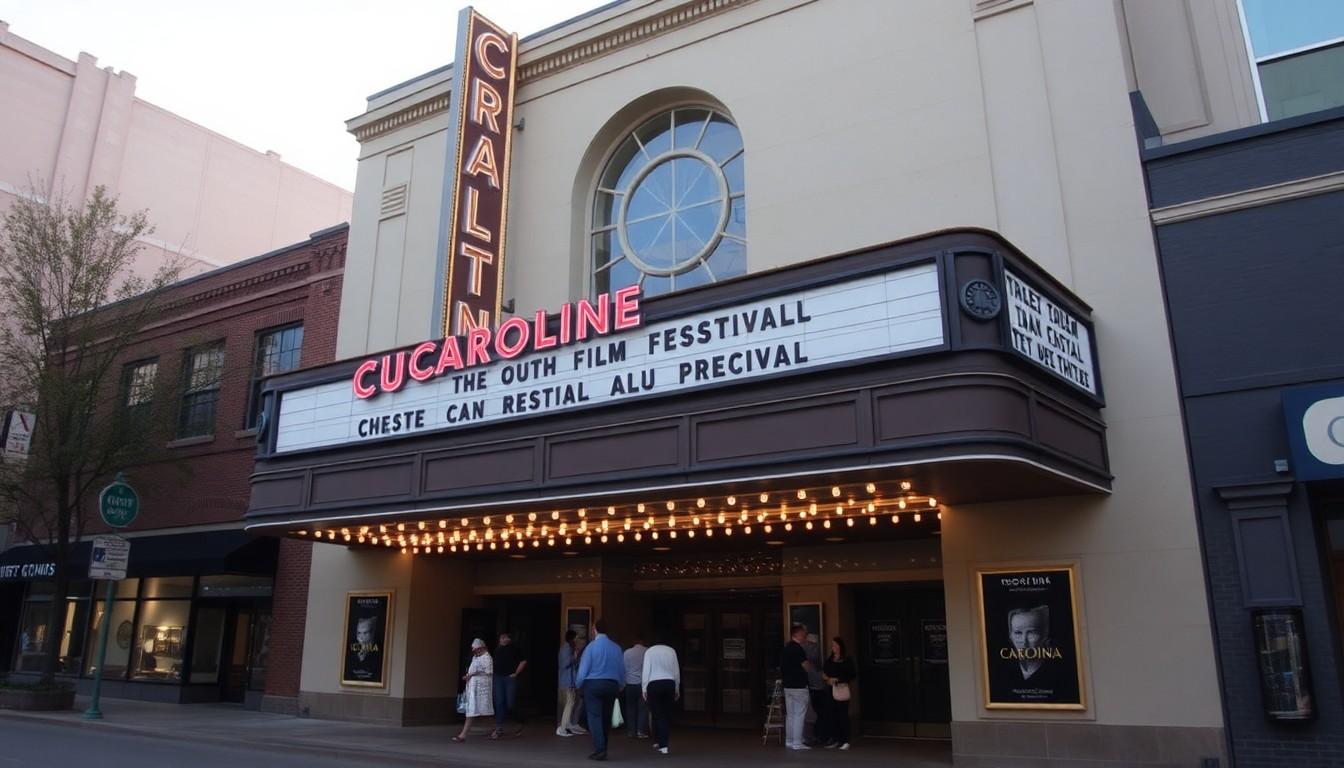
Shoppers of cinema and queer culture are flocking to Durham: OUTSOUTH Queer Film Festival returns as a packed, international celebration of LGBTQ+ storytelling, community connection, and rarely seen films , and it’s one of the most important festival stops in the Southeastern US.
Essential Takeaways
- Historic scope: The festival began in 1995 and celebrates its 31st edition in 2026, now branded as OUTSOUTH Queer Film Festival.
- International programming: Features, shorts and documentaries come from around the world, with recent lineups including Italy, Romania, Mexico and Canada , diverse voices, fresh perspectives.
- Home base: The Carolina Theatre in Durham hosts every year, offering a classic big‑screen experience and consistently full houses.
- Awards and recognition: Jury prizes cover gay, lesbian and trans/intersex categories; longtime programmers like Chuck Wheeler have earned national recognition.
- Community impact: Filmmakers report strong hospitality, networking opportunities and practical exposure that leads to more screenings elsewhere.
A long-running celebration that still feels intimate
Durham’s Carolina Theatre has been the festival’s living room since the mid‑90s, and there’s a warm, slightly buzzy feel when the auditorium fills. According to venue listings, the festival runs on familiar turf and continues to draw thousands, which keeps screenings lively and conversations flowing. Organisers stress that seeing these films on a big screen , with the crowd reacting in real time , is part of the joy.
The festival’s longevity explains that comfort. What began as NCGLFF evolved into OUTSOUTH in 2020 to broaden its queer remit while keeping its curatorial DNA intact. That balance of history and refreshment helps the event remain both rooted and relevant.
Why international selections matter for local audiences
OUTSOUTH’s program is deliberately global, and you’ll find films here you probably won’t catch on Netflix or at multiplexes. Festival directors point out that many titles never land distribution deals, so the screening is often the only chance for a wide audience to see them. That rarity makes each discovery feel special , sometimes challenging, sometimes consoling, and usually conversation‑starting.
If you’re picking screenings, aim for a mix: a feature for scope, a documentary for context, and a short block to sample new voices. That variety reflects the festival’s aim to expand what queer cinema can be, beyond familiar tropes.
Awards, programming curators and why names still matter
The festival keeps a structured awards lineup, splitting recognition across gay, lesbian and trans/intersex categories and across international and US work. These jury prizes give films credibility and help with future bookings. Longstanding figures such as Chuck Wheeler , recently named to Out Magazine’s OUT100 , underline the festival’s commitment to consistent curation.
Organisers emphasize that awards are about amplification, not just trophies. For filmmakers, a nod at OUTSOUTH often translates into more festival invites and a wider audience, which is exactly the practical support an indie filmmaker needs.
Practical tips for attendees and filmmakers
If you’re going to OUTSOUTH, buy tickets early , screenings often sell out. Check the Carolina Theatre schedule for passes, single tickets and any virtual options they might offer. For filmmakers, the festival uses FilmFreeway for submissions; timelines close months ahead, so plan submissions well in advance.
Festival veterans recommend planning for social time. The in‑person networking , casual conversations in lobby spaces, Q&As after screenings , is where collaborations and bookings often begin. Bring business cards or a digital link list; the hospitality of staff and other attendees makes follow‑ups feel natural.
The outlook: why OUTSOUTH still matters in 2026
Even after three decades, OUTSOUTH remains one of the Southeast’s largest queer film gatherings and a vital showcase for work that might otherwise go unseen. The rebrand to OUTSOUTH signalled growth in scope without losing the festival’s original heart: community, discovery and cinematic risk. As streaming consolidates and distribution narrows, festivals like this are where new queer filmmaking continues to get noticed.
If you care about queer stories, independent film, or simply a lively cultural weekend in Durham, this festival is worth a place on your calendar.
It's a small cinema pilgrimage that pays off , bring your curiosity and a comfy jacket.
Source Reference Map
Story idea inspired by: [1]
Sources by paragraph: