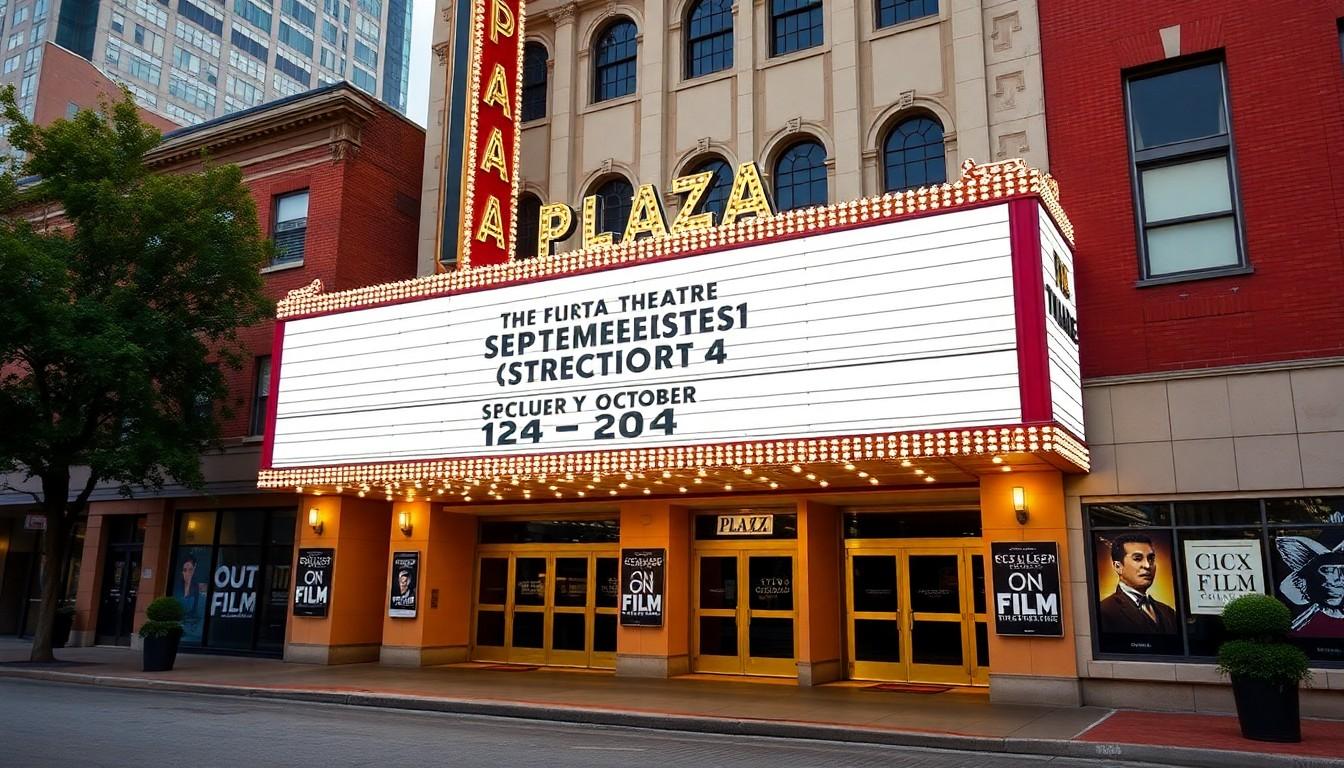
Celebrate queer cinema in Atlanta: Out on Film has grown from a local community experiment into one of the United States’ most influential LGBTQI film festivals, offering year-round events, industry pathways like Oscar and BAFTA qualification, and a friendly, festival‑goer vibe that makes seeing new queer stories feel like a communal celebration.
Essential Takeaways
- Long history: Founded in 1987 and run by an LGBTQI non‑profit since 2008, the festival is a regional institution.
- Big slate: Around 150 narratives, documentaries, shorts and web series appear across the main fall festival and supplemental programming.
- Industry clout: Winners can earn Oscar and BAFTA qualifying status for short films, raising the festival’s profile.
- Year‑round presence: A spring mini‑fest and a planned industry summit keep the calendar active and networking strong.
- Warm atmosphere: Filmmakers and audiences consistently praise the festival’s hospitable, creative energy.
What makes Out on Film still worth your time?
Out on Film feels intimate but ambitious, with a welcoming, buzzy atmosphere that smells faintly of popcorn and anticipation. According to the festival’s organisers, it began as a community initiative and steadily professionalised, now running an eleven‑day core event that attracts both local crowds and visiting creatives. That continuity, nearly four decades of programming, means you’re seeing work in a context that understands queer histories and current conversations.
The programming mixes international fare and local premieres, which helps the festival stay lively and unpredictable. For ticket‑buyers, that variety means you can catch a gritty indie drama one night and a joyful short‑film programme the next. If you’re choosing what to see, look for premieres and jury picks; they often signal films that will travel onward to other festivals and awards.
How Out on Film builds industry bridges
Out on Film isn’t just for audiences; it’s a stepping stone for filmmakers aiming at bigger platforms. The festival’s Oscar and BAFTA qualifying status for short films is concrete proof, success here can open doors to the Academy and beyond. That kind of recognition attracts filmmakers who want both an audience and an industry response.
Organisers also run networking events and a planned Queer Film Summit, which puts programmers, directors and producers in the same room. If you’re a filmmaker, submitting through FilmFreeway is straightforward, and the festival will consider entries for either the main fall festival or smaller showcases. Pro tip: submit early and highlight festival‑ready elements like runtime and premiere status to boost consideration.
Year‑round programming: more than just a September event
Out on Film has expanded with additional programming so the festival’s energy isn’t confined to autumn. A spring mini‑fest gives Atlanta audiences fresh work in March, while screenings and special events scatter through the year. That steady presence means locals can engage with queer cinema outside the rush of the main slate, and it helps filmmakers keep momentum after a premiere.
For visitors, planning a trip around both the spring and autumn events is a great way to experience different flavours of the festival: the mini‑fest is typically more curated and intimate, while the main festival brings scale and awards buzz. Keep an eye on the festival website for ticket releases and special programmes.
Awards, recognition and why they matter to filmmakers
Out on Film hands out both audience and jury awards across categories such as Best Narrative Feature, Best Documentary and Best Drama Short. Those prizes are meaningful because they reflect two kinds of success: crowd affection and critical judgement. Being named in either can boost a film’s visibility for distribution or further festival bookings.
The festival’s reputation has even earned public recognition; readers named it a top US festival in national polls, which amplifies press coverage for winners. For filmmakers, that means a positive review here can translate into invitations to other festivals and an uptick in media interest.
Practical tips for first‑timers and regulars
If it’s your first visit, arrive early to screenings, the smaller venues can fill fast, and the socializing in lobbies is half the fun. Bring cash or card for local bars and the occasional pop‑up merch stall, and wear sensible shoes; you’ll be hopping between cinemas and events. For filmmakers submitting, check eligibility on FilmFreeway and make sure your film’s completion date fits the festival’s window.
And for anyone seeking community, plan to stay for a Q&A session after films, those conversations are where audiences and creators connect, and they’re often warm, revealing and surprisingly funny.
It's a small change that can make every festival visit feel like finding a new favourite film.
Source Reference Map
Story idea inspired by: [1]
Sources by paragraph: