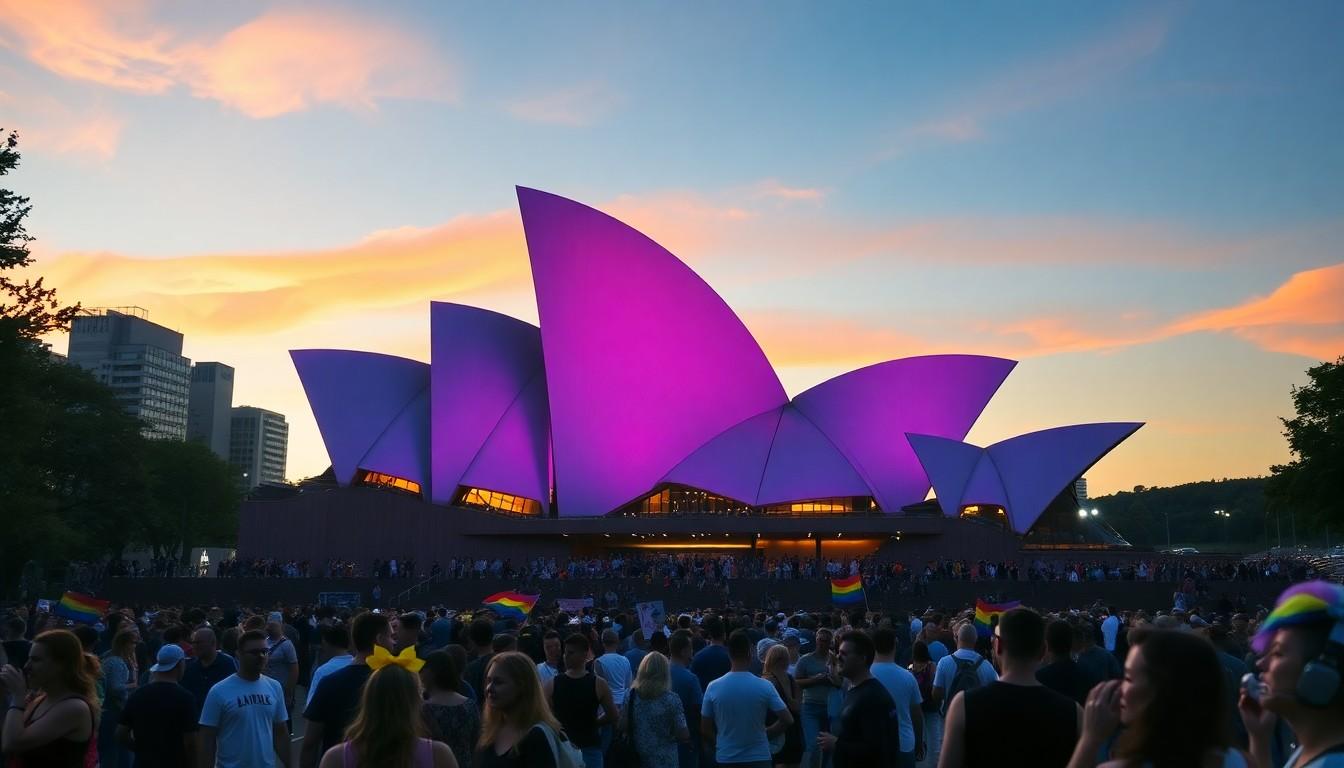
Shoppers are turning to solidarity: Sydney Gay and Lesbian Mardi Gras members have decisively voted to block a leadership shake-up, a result supporters say protects Jewish participation and calms months of tense debate about who belongs in the parade. The vote matters for inclusion, safety and the festival’s reputation.
Essential Takeaways
- Decisive margin: Members rejected Pride in Protest’s motions by roughly 70–73%, a clear rebuke.
- Board changes: Two Pride in Protest directors were removed, while co-chairs retained their roles by roughly three to one.
- Protection for Dayenu: Supporters say the outcome safeguards Dayenu, the Jewish LGBTQ+ group, from exclusionary rhetoric.
- Historic turnout: The Extraordinary General Meeting drew the largest member vote in Mardi Gras history, showing deep engagement.
- Ongoing scrutiny: The result doesn’t erase tensions; questions about social cohesion and online conduct remain.
What actually happened , and why it felt like a turning point
The Extraordinary General Meeting produced unusually strong, organised voting, and it landed as a rebuke to a faction pushing for leadership change. Members declined all contested motions by large margins, removing two directors aligned with Pride in Protest while keeping the current co-chairs in place. The meeting’s turnout , the biggest in Mardi Gras history , felt like a public airing of the community’s values, with a physical quiet in the room replacing weeks of online noise. For many, the clear vote was relief rather than triumph.
How this protects Dayenu and other Jewish participants
The immediate backdrop was months of tension after Pride in Protest labelled Dayenu “pro-genocide” following the October 7 events, a charge Dayenu said made members feel unsafe. By rejecting the push to reshape leadership, members signalled a preference for inclusion over exclusion. That doesn’t mean the issue’s gone away, but it does mean the parade’s official structures are less likely to be steered by those who openly ostracised Jewish community members, which will matter on march day and in community relations beyond it.
What this says about grassroots organising at Mardi Gras
The result shows how quickly a mobilised, centrist majority can shift the balance at membership-driven organisations. Campaigns such as Protect Mardi Gras channelled votes to proxy holders and marshalled supporters in a way that outmatched the activist faction. It’s a reminder that internal democracy still trumps loud social-media campaigns when memberships engage , and that building alliances across different groups can change outcomes fast.
The penalties and next steps for the parade
Two board vacancies will be filled through the nominations committee, so expect a period of consolidation rather than continued public fighting. Meanwhile, Pride in Protest faces formal and informal consequences: not only the board losses but restrictions on marching and ongoing reputational damage. Organisers will likely tighten codes of conduct and social-media oversight as they try to prevent a repeat of this controversy and the kind of charged posts that sparked the crisis.
Bigger picture , social cohesion, reputation and future risks
This vote matters beyond one organisation. According to public reporting and research into Mardi Gras politics, festivals that manage internal conflict well tend to preserve public goodwill and attract sponsors and volunteers. But unresolved online antisemitism and polarised activism remain risks to cohesion. Expect wider conversations about moderation, protest tactics and how to balance activist expression with the festival’s inclusive mission.
It's a small but significant reset for Mardi Gras , an invitation for organisers and participants to choose inclusion as the way forward.
Source Reference Map
Story idea inspired by: [1]
Sources by paragraph: