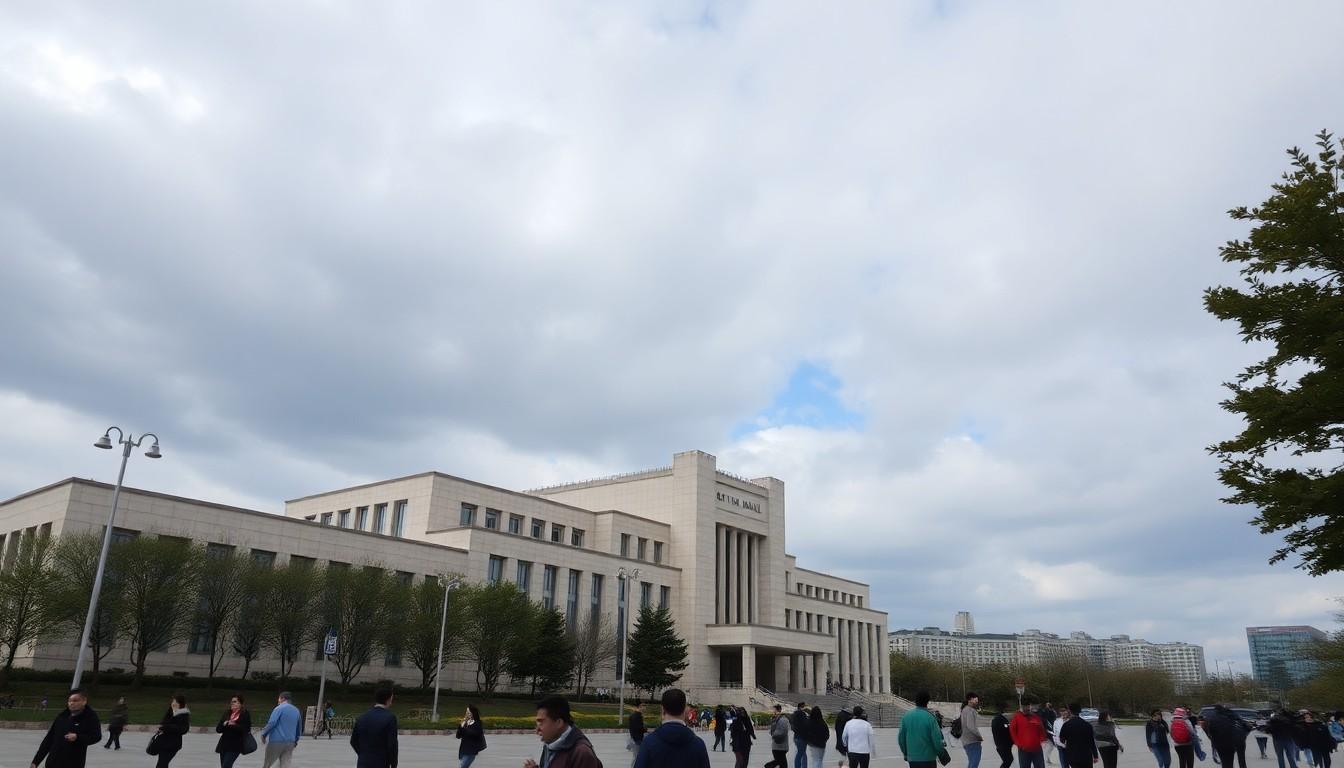
Shoppers, students and city officials are looking to Gwangju as a living classroom in civic memory and human dignity; at the World Human Rights Cities Forum, voices from Thailand and across Asia discussed practical steps cities can take to make rights visible, accountable and part of everyday life.
Essential Takeaways
- Local focus matters: Human rights cities turn policy into everyday services like housing, transport and education, making protections tangible.
- Participation beats top-down fixes: Meaningful civic participation restores trust and strengthens democratic practice at the neighbourhood level.
- Digital risks rising: Surveillance, disinformation and AI require city-level safeguards alongside national law.
- Intersectional priorities: Issues from LGBTQ+ equality to ageing populations need parallel, joined-up responses.
- International exchange helps: Peer learning and regional forums build capacity and shared standards for human rights institutions.
Why Gwangju still feels like a classroom for democracy
Gwangju’s streets and memorials give human rights a tactile, quiet weight; you can almost feel history there. The city’s reputation as a site of democratic struggle offers more than symbolism , it provides tested mechanisms for truth-telling, remedy and remembrance that other cities can adapt. According to forum organisers, Gwangju’s model shows how remembrance and institutional reform can work together to rebuild public trust. For city leaders, the lesson is simple: memory projects and practical rights-based services aren’t mutually exclusive , they reinforce one another.
Cities as the frontline of rights and services
The idea that rights live in city halls, buses and schools resonated strongly at the Forum. Speakers argued that municipal governments are where access to services is decided and felt, from safe transport to inclusive housing. UCLG networks and the World Human Rights Cities Forum have pushed this people-centred approach, showing that local policy can reduce inequality day to day. Practically, that means designing complaint systems that are accessible, creating participatory budgeting processes, and training frontline staff on non-discrimination.
Balancing security and dignity in tense regions
Delegates from countries facing conflict and political polarisation discussed how security responses must respect proportionality and the rule of law. The National Human Rights Commission of Thailand emphasised that peace depends on both protection and rights-based governance. International experience suggests durable peace is more likely when states combine accountability mechanisms with dialogue and social justice initiatives. For city officials, the takeaway is to embed oversight and independent monitoring into any emergency or security measure.
New challenges: technology, ageing and social change
Digital tools can expand access to public services, yet they also introduce risks , from data misuse to AI-driven bias and online hate. Forum participants urged cities to develop local safeguards for privacy, transparency and digital literacy. Meanwhile, demographic change looms: ageing populations require age-friendly urban design, long-term care planning and legal frameworks that protect older persons’ rights. Cities that anticipate these shifts will avoid crises and preserve dignity for all residents.
Why international cooperation still matters
Panels made clear that no city operates in isolation; exchange across borders helps local institutions learn faster and avoid repeating mistakes. Networks like the WHRCF and UCLG enable municipal leaders and national human rights bodies to share practical tools , complaint mechanisms, detention monitoring frameworks, or campaigns to reduce stigma. For civic activists and younger advocates, these platforms also offer solidarity, technical support and policy models that can be tailored to local realities.
Closing line It's a small shift , putting rights at the street level , but it changes how people experience democracy every day.
Source Reference Map
Story idea inspired by: [1]
Sources by paragraph: