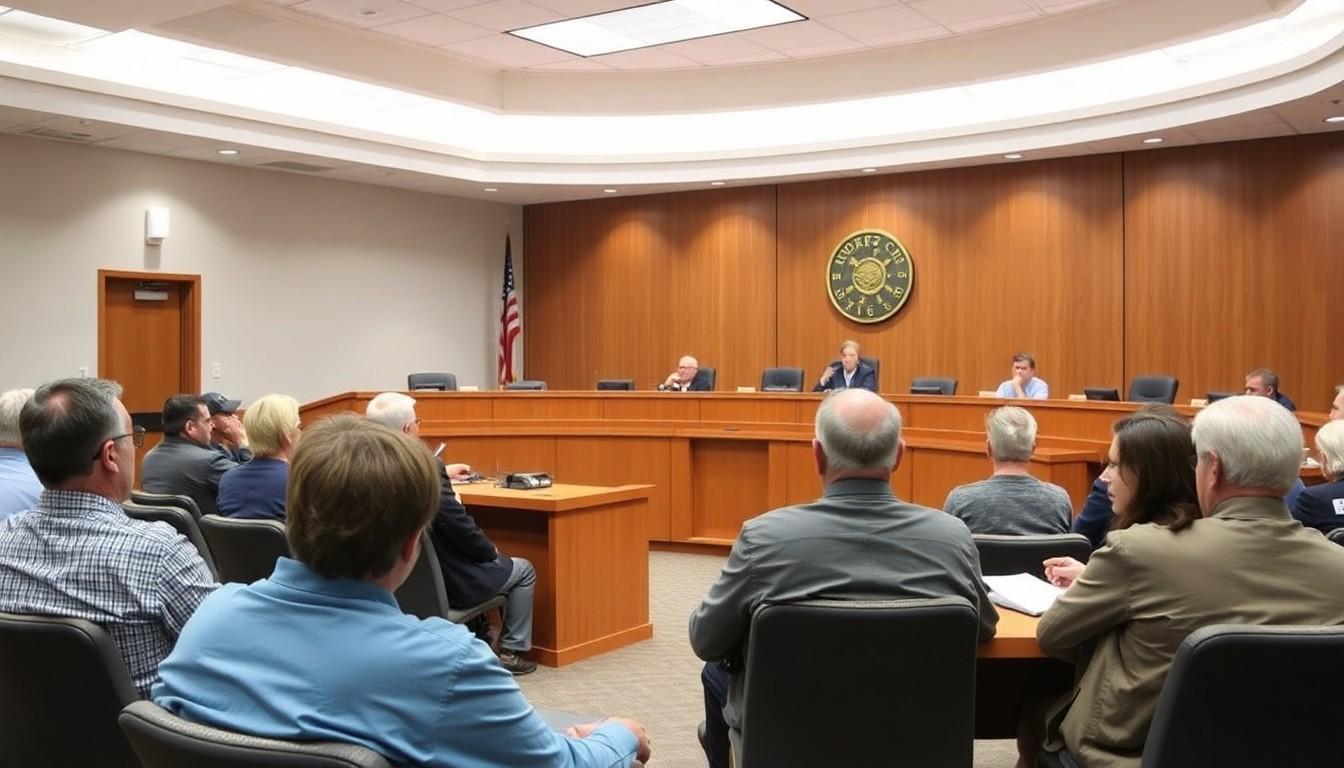
Shoppers of civic process packed the Copperas Cove council chamber as residents argued for and against a Pride Month proclamation, and the mayor ultimately declined to issue one , a choice that spotlights how local proclamations, mayoral discretion, and wider political trends collide in small‑town America.
Essential Takeaways
- Packed chamber: Dozens turned out to speak passionately for and against a Pride Month proclamation, creating a charged, emotional atmosphere.
- Mayoral prerogative: The mayor alone decides whether to issue proclamations; city staff say this has been the practice in Copperas Cove.
- Proclamation is ceremonial: City leaders emphasised proclamations carry no legal force but do signal recognition and belonging.
- Polarised views: Supporters framed the proclamation as acknowledgement of residents; opponents called it a promotion of beliefs contrary to their faith.
- Policy gap: Councilmembers suggested drafting a formal proclamations policy to avoid future uncertainty and perceived unfairness.
What unfolded at the council meeting , a crowded, civic moment
The July meeting drew a standing‑room crowd, with residents lining up to speak on a request to issue a Pride Month proclamation. The mood was earnest and at times tense, with speakers ranging from local Democrats to pastors, each using the microphone to make a personal case. According to local reporting, the debate lasted well over 45 minutes and left the chamber buzzing afterward. (See local coverage for the scene and who spoke.)
Why the mayor’s desk holds the power
City staff told reporters the mayor’s office alone decides whether to sign proclamations, and that Mayor Dan Yancey has declined requests in the past. That means the council can discuss and advise but not compel the mayor to act, creating a single point of discretion for ceremonial recognitions. This mostly ceremonial power nevertheless carries outsized symbolic weight in a community where visibility matters. (Local reporting explains the procedural setup and the mayor’s history with proclamations.)
Arguments from both sides , belonging versus convictions
Supporters argued a Pride proclamation simply acknowledges LGBTQIA residents as neighbours, taxpayers and volunteers, not as a legal change or a faith challenge. They framed it as the same kind of civic recognition cities give to veterans, businesses or historical observances. Opponents, including local Republican organisers and faith leaders, said the city shouldn’t officially celebrate what they view as contrary to biblical teaching and worried a proclamation would signal endorsement of an ideology. Those competing frames helped make the issue feel both personal and political. (Speakers’ remarks were widely reported during the meeting.)
The bigger picture: local fights in a national trend
Copperas Cove’s disagreement sits alongside similar debates elsewhere , some cities have rejected Pride proclamations outright while others have moved to celebrate Pride with flags and events. Nationally, states and municipalities are testing new policies on recognition and rebranding around Pride, and these local votes increasingly reflect larger partisan currents. That context helps explain why a ceremonial piece of paper became a flashpoint here. (Regional and national stories show comparable local council battles and policy shifts.)
What to watch next , policy, process and community relations
A councilmember suggested drafting a formal proclamations policy so future requests aren’t handled ad hoc. A written policy could set criteria, timelines and an appeals or review process, which would reduce confusion and make decisions feel fairer to people on both sides. For residents, the practical takeaway is simple: if you care about a civic recognition, get involved early , submit formal requests, attend meetings and push for clear rules. That’s how local democracy actually changes. (Council comments and follow‑ups emphasised the need for clearer rules.)
It's a small change that could make future recognitions less divisive and more predictable for everyone.
Source Reference Map
Story idea inspired by: [1]
Sources by paragraph: