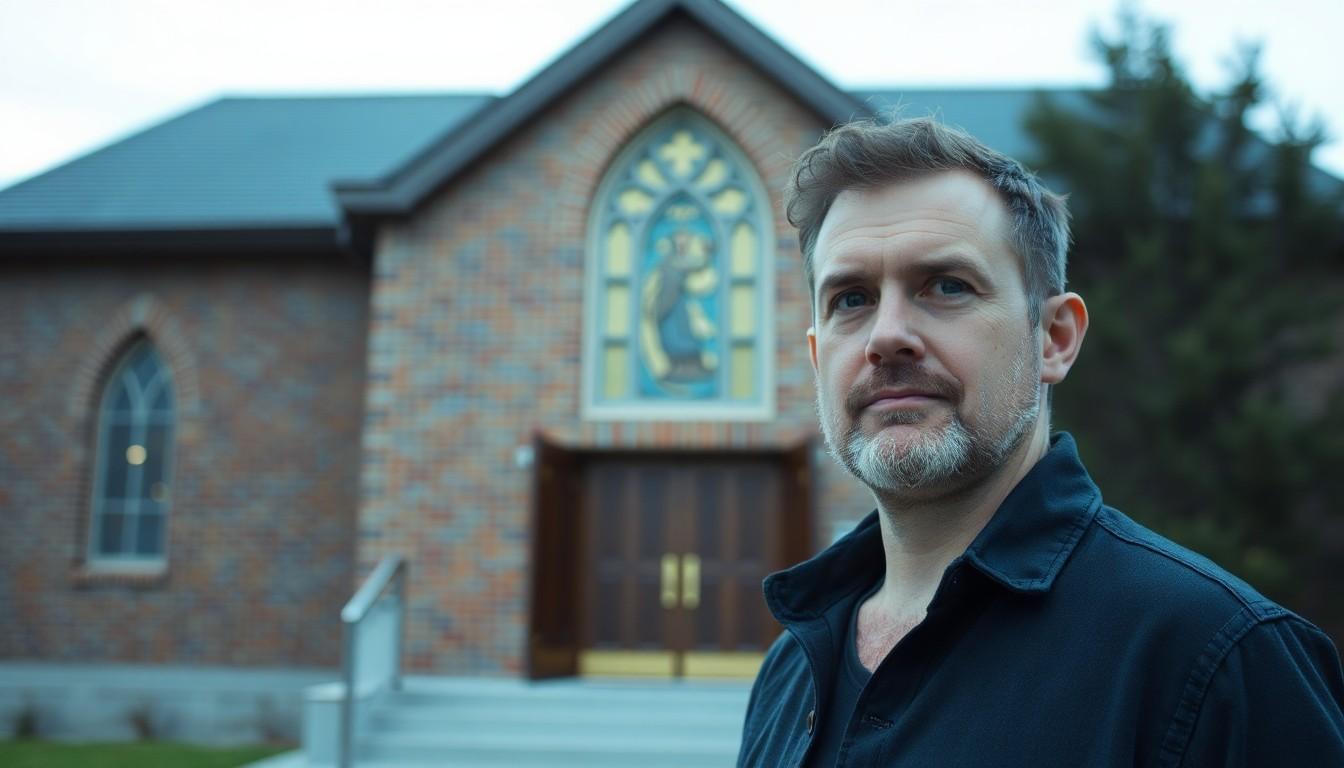
Shoppers, well, seekers, are returning to pews and prayer with new priorities: community, honesty and quiet faith. Gay men over 40 are asking whether they can hold on to belief without losing themselves, and why that question still matters now, as churches shift and personal lives settle.
Essential Takeaways
- Faith stays: Many LGBTQ people continue to identify with religion; belief often centres on hope, meaning and ritual, not just doctrine.
- Shifting attitudes: A growing share of Christians now support same-sex marriage and acceptance, easing some barriers for worship.
- Mixed experiences: Churches vary , some feel like sanctuary, others like exile; personal encounters shape spiritual life more than statistics.
- Later priorities: After 40 people often focus on integrity, kindness and authenticity rather than fitting an expected mould.
- Practical return: Re-engaging with faith can mean finding different congregations, simplifying prayer, or returning for community and tradition.
Why many men over 40 reframe faith as comfort, not conflict
For a lot of men, the tug-of-war between identity and religion softens with time; prayer becomes quieter and more personal, with a gentler voice in the head. The author notes that faith never fully left, but the panic about choosing between God and self did. According to Pew Research, many who identify as gay or lesbian still call themselves Christian, which helps explain why religion remains central for everyday moments like illness or funerals. If you’re considering a return to church, think about which parts of worship matter most to you , singing, ritual, community , and start there.
Churches are changing, but unevenly , what that means for you
National surveys show growing acceptance: support for same-sex marriage and broader LGBTQ acceptance among Christians has risen substantially in recent decades. That trend is real and encouraging, but it isn’t uniform. You might walk into one building and feel embraced, another and feel judged. Practical tip: scout services online first, read a pastor’s sermons, or try a midweek group before committing. That way you avoid the exhaustion of repeated “should I stay or go” moments.
Loneliness isn’t only about being single , it can be spiritual, too
Loneliness after 40 wears many faces: singlehood, lost partners, years of secrecy, or sitting in a full church feeling invisible. The piece captures that nuance well , faith can be a source of solace and of isolation at the same time. If church feels alienating, consider small groups, faith-based service projects, or interfaith spaces where your values are foregrounded over identity politics. These quieter options often make the rituals feel less performative and more nourishing.
Practical ways to reconcile belief and sexuality without drama
Start small and practical: simplify your prayers to what matters today, seek out affirming congregations or clergy, and prioritise spiritual fruits , patience, generosity, compassion , over dogma. The author’s prayer , “God, help me become a better man” , is a useful model: framed around growth, not denial. If you’re nervous about returning, bring a trusted friend, attend a newcomer coffee, or sample a progressive online sermon first. Mental health professionals who are faith-sensitive can also help navigate lingering guilt or church trauma.
Looking ahead: faith after 40 is more about authenticity than answers
Age tends to bring a shift in spiritual priorities: people ask if they’re kind and honest more than whether they fit a theological checklist. That’s a liberating shift; it reframes religion as practice rather than performance. Industry data and polling show increased social acceptance, which matters, but personal communities still determine how welcome you’ll feel. The outlook is quietly optimistic: with more congregations open to LGBTQ people and more individuals choosing grace over judgement, there’s real space to rebuild spiritual life on your own terms.
It's a small change that can make every prayer and tradition feel a little truer.
Source Reference Map
Story idea inspired by: [1]
Sources by paragraph: