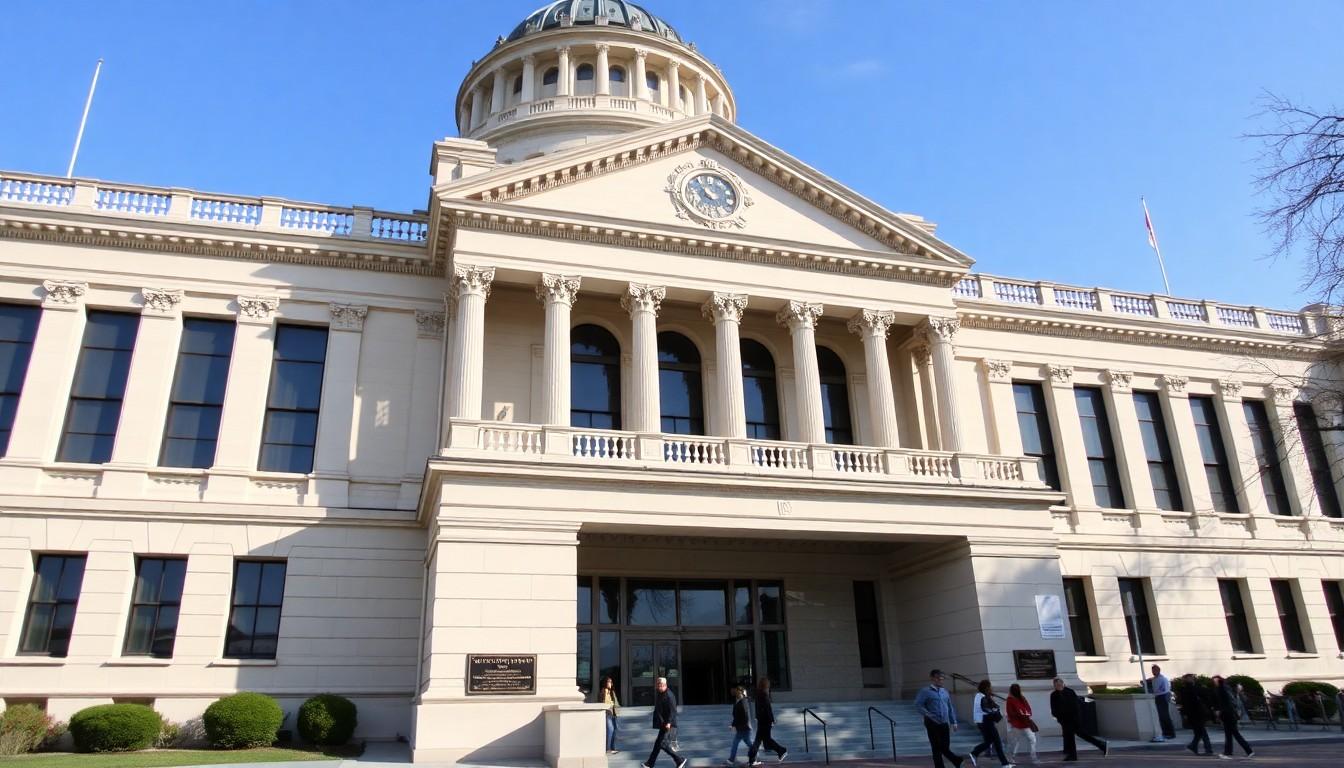
Shout it loud: community organising changed the budget outcome. Health advocates, immigrants, seniors and LGBTQ+ organisers mobilised across California to blunt federal H.R. 1’s worst cuts and push the state to protect Medi‑Cal , a story about people power, clever tactics and practical wins that matter to millions.
Essential Takeaways
- Big threat: H.R. 1 proposed deep federal cuts that would have sliced billions from Medi‑Cal and put coverage at risk for immigrants, seniors, people with disabilities and low‑wage workers.
- Tangible wins: Campaign pressure helped delay some cuts, stopped a harmful Medi‑Cal asset test and secured $26m for gender‑affirming care.
- Corporate accountability: The final budget includes a framework for a Fair Share Contribution from big corporations to support Medi‑Cal.
- Grassroots tactics: From bus tours to drumlines and tug‑of‑war visuals, public demonstrations brought personal stories to legislators’ doorsteps.
How big were the cuts , and why they mattered right now
The opening shock was simple and immediate: federal proposals under H.R. 1 threatened billions in Medi‑Cal funding, and that cascade could have left millions without routine care, dental visits or prescriptions. Analysts at UCLA and the Legislative Analyst’s Office modelled the fallout and showed coverage drops would be widespread, touching every county. That’s not an abstract spreadsheet , it’s grandparents, parents, frontline workers and LGBTQ+ people suddenly at risk of losing essential care.
Campaigns like Health4All framed this as a human problem, not just a budget line. They pushed the message that preventive care keeps people out of expensive emergency rooms, and that losing coverage would mean worse outcomes and higher long‑term costs.
The tactics that turned noise into leverage
Organisers mixed theatre with strategy: a Health4All bus tour took activists directly into legislators’ districts, while visible stunts , tug‑of‑war snapshots, drumlines , created shareable moments for social feeds and reporters. SEIU and other partners kept pressure on the Assembly and the Governor to adopt corporate accountability measures.
Those tactics matter because legislatures respond to visibility. When thousands bring personal, local stories to the Capitol and to district offices, it becomes politically costly to ignore them. The advocates made it plain whose side policymakers had to choose , people who rely on Medi‑Cal, or corporations saving taxes while workers depend on public care.
What the budget actually delivered , and what to watch next
Because people showed up, leaders delayed some of the worst cuts and included a Fair Share Contribution framework for big corporations, a step toward making firms who benefit from public systems contribute more. Importantly, the budget avoided reinstating the Medi‑Cal asset test that would have pushed seniors and disabled Californians off coverage.
Still, many advocates call these wins partial. Delays can become cliff edges, and frameworks need concrete rules and enforcement. The budget’s language sets the scaffolding, but campaigners will be watching implementation closely and pushing for permanent protections.
Why the $26m for gender‑affirming care matters
One clear, material win was securing $26 million to protect transgender, gender‑diverse and intersex health services. For people who depend on these services, it’s more than a line item , it’s access to medically necessary care that can be life‑saving. The California LGBTQ Health & Human Services Network took priorities straight to lawmakers, and that focused advocacy paid off.
If you’re supporting someone who needs this care, the practical takeaway is to keep eyes on provider networks and local health plans: funding commitments can mean new providers staying in network, shorter waits and continued coverage for hormones and related services.
How you can help keep Medi‑Cal strong from here
The season’s lessons are simple and useful. First, stay informed , use advocacy sites and fact sheets to understand proposed changes. Second, share personal stories with your legislator; officials respond to real examples about missed medications or delayed dental work. Third, support coalition actions that combine worker groups, immigrant advocates and LGBTQ+ networks , the coalition approach moves budgets.
Finally, check local resources to see if your area offers enrolment support or legal help for seniors and immigrants who fear losing coverage. Even small acts , signing a petition, joining a phone bank, attending a town hall , multiply when thousands participate.
It's a small change that can make every care decision safer for the people who need it most.
Source Reference Map
Story idea inspired by: [1]
Sources by paragraph: