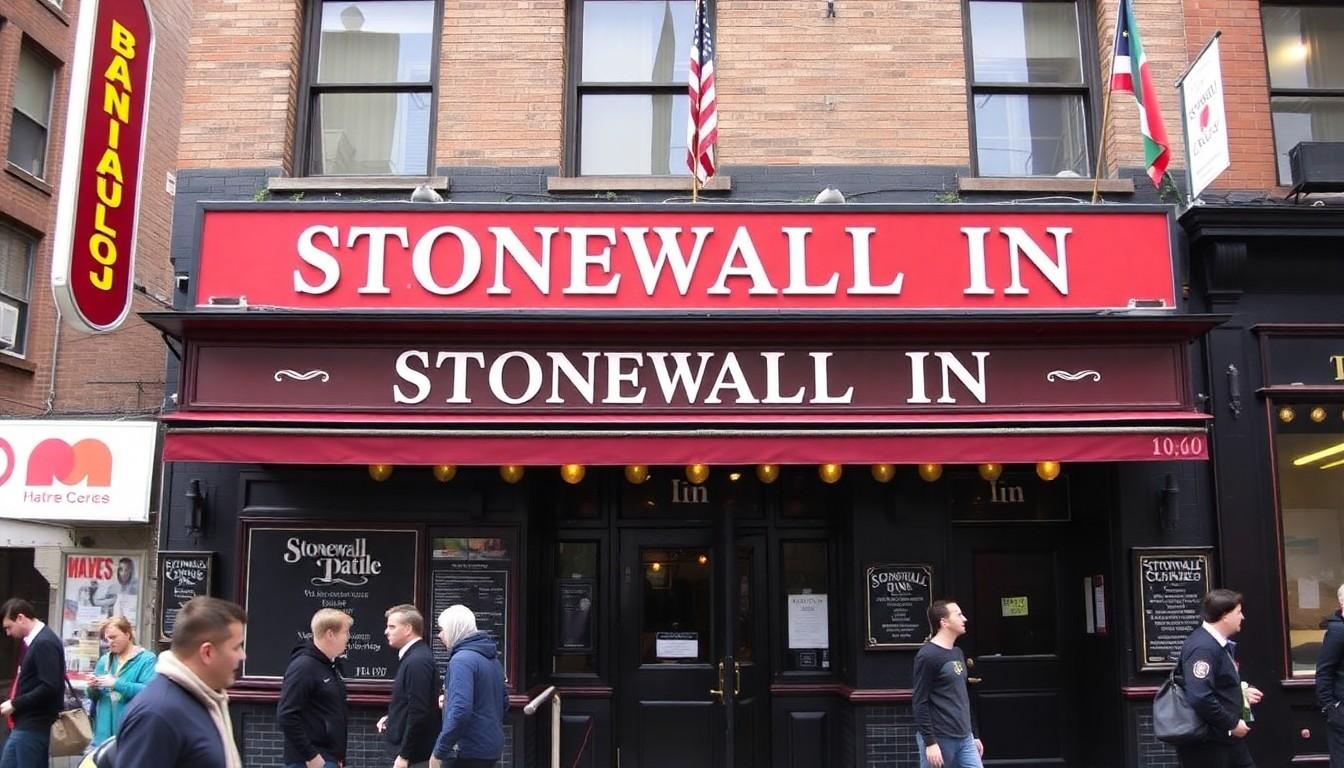
Speaking up again: Stonewall Inn co-owners have publicly criticised JK Rowling’s anti‑trans rhetoric, arguing her global platform has harmed LGBTQIA+ people and that defending trans rights remains central to preserving equality and safety. The statements matter because the Stonewall name carries history, visibility and influence.
Essential Takeaways
- Historic voice: The Stonewall Inn’s owners, Stacy Lentz and Kurt Kelly, used their platform to challenge Rowling’s public comments and the wider spread of anti‑trans misinformation.
- Global impact: They say comments from high‑profile figures in the UK have ripple effects internationally and can contribute to real‑world harm.
- Political context: The criticism comes alongside debate in the UK about legal definitions of sex and rising political uses of trans issues.
- Community focus: Owners stressed inclusivity , noting intersex people and small populations mustn’t be erased.
- Practical aim: Their remarks aren't just criticism; they're a call to re‑educate and protect hard‑won LGBTQIA+ rights.
Why the Stonewall Inn’s words carry weight
The Stonewall Inn isn’t just a bar, it’s shorthand for a pivotal moment in queer history, and that symbolic heft amplifies whatever its owners say. According to CBS News, the venue’s 1969 uprising is a defining milestone for modern LGBTQIA+ rights, so statements from its stewards travel far and fast. That’s why Stacy Lentz and Kurt Kelly’s public rebuke of JK Rowling feels like more than another online spat , it’s a protective act aimed at guarding a legacy and the people who rely on it.
They argue Rowling’s platform causes real harm
Lentz and Kelly told reporters they believe Rowling’s global reach has consequences well beyond Twitter rows. They pointed out that when a bestselling author equates trans identities with threats, it feeds misinformation that politicians and media can weaponise. Surface Magazine’s profile of Lentz captures how activists linked to historic sites often see themselves as guardians, not just commentators, and this stance reflects that responsibility.
This comes amid legal and political battles in the UK
The critique arrived as the UK debates definitions of sex and the rights that follow , and those legal fights trickle across borders. Coverage in outlets such as The Guardian shows the conversation is fraught and attracts high emotions. For Stonewall’s owners, the worry is simple: narrow legal language and alarmist rhetoric can leave small, vulnerable groups like trans and intersex people unprotected, and exclusion tends to become policy before you know it.
What the owners want: education, not silence
Lentz and Kelly don’t just call out behaviour, they call for action. They’ve urged renewed education and outreach because they see misinformation as fixable if people are willing to listen. Reports and interviews note their focus on community safety and inclusion , reminding readers that even small populations deserve full equality. For everyday allies, that translates into clear, doable steps: amplify trans voices, challenge myths politely but firmly, and support local LGBTQIA+ services.
How this affects Pride, fundraising and public memory
Stonewall’s role in commemorations means its statements influence celebrations and campaigns. Local reporting around Pride month highlights how venue owners balance celebration with activism, and how fundraising and education programmes can grow from moments like this. If you volunteer, donate or attend events, consider checking organisers’ stances on inclusion and asking how proceeds support trans and intersex people specifically.
It's a small but necessary push to keep the conversation focused on human dignity and safety.
Source Reference Map
Story idea inspired by: [1]
Sources by paragraph: