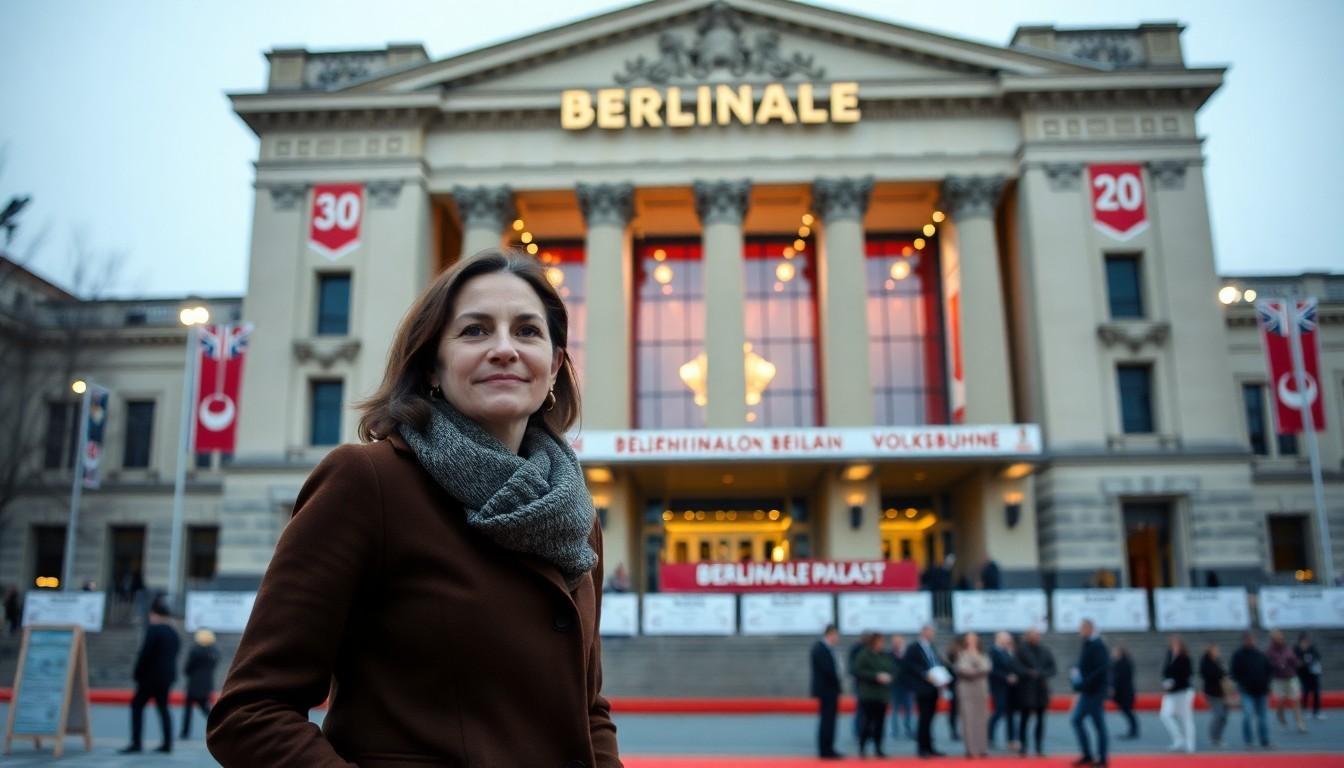
Shoppers and cinephiles are returning to a landmark year for queer cinema; these ten 2018 releases sharpened representation, sparked debate, and still matter today , for the stories they told, the awards they won, and the conversations they keep prompting.
Essential Takeaways
- Breakthrough moment: A Fantastic Woman helped mainstream trans storytelling and picked up major international prizes, including an Oscar for Best Foreign Language Film.
- Festival favourites: Sundance and Berlinale were key platforms , The Miseducation of Cameron Post won Sundance’s Grand Jury Prize, while Inxeba (The Wound) and Freak Show premiered at Berlinale.
- Tough topics handled: Conversion therapy and closeted communities feature strongly, with Boy Erased and The Miseducation of Cameron Post provoking discussion.
- Mix of styles: The list ranges from documentary (Believer) to musical-tinged drama (Saturday Church) and literary adaptations (Vita & Virginia), so there’s a mood for every viewer.
- Lasting impact: Many titles continued to be referenced in festival line-ups and critics’ roundups through 2025–26, underlining their ongoing influence.
Why 2018 still feels like a turning point for queer cinema
You can almost hear the applause the year produced , films that mixed intimacy, provocation and craft landed on awards stages and streaming platforms alike. A Fantastic Woman’s international recognition in particular signalled to studios and festivals that trans-led stories could carry prestige and reach. Meanwhile, Sundance and Berlinale kept surfacing bold debuts, so critics and audiences had new voices to follow. If you want to feel how representation shifted, rewatching these films shows the moment’s texture: voices, visuals and stakes all felt sharper.
The films that pushed trans narratives forward
A Fantastic Woman remains the clearest benchmark, a cinematic portrait with a fierce, human centre. Around it, other films and festivals broadened the conversation, and festival retrospectives in later years kept returning to that breakthrough. That continuity matters: it’s one thing to win a prize, another to change the vocabulary critics and commissioners use when talking about trans-led projects. If you’re choosing what to stream first, start here for a direct line to the era’s most discussed work.
Conversion therapy on screen: why some stories sting
Boy Erased and The Miseducation of Cameron Post turned a painful subject into public argument. Both films approach conversion camps differently , one through a memoir adaptation with big-name leads, the other via a Sundance-winning indie voice , but each helped surface debates about responsibility, harm and healing. Watch them back-to-back if you want to compare tone and approach; it’s a clear lesson in how storytelling choices shape empathy.
Documentaries, music and unexpected hybrids
Not everything was hard-hitting drama. Believer used a familiar cultural figure to zoom in on the Mormon church’s treatment of LGBTQ members, bringing documentary urgency to a national conversation. Saturday Church blended song and dance with coming-of-age unease, offering a softer, sometimes joyous palette. These tonal shifts show a maturing field: queer cinema was free to be political, playful or quietly interior, often within the same year.
Literary adaptations and period pieces that still sing
Vita & Virginia tapped into queer literary history with pleasing fidelity, while other adaptations dug into family and faith with modern resonance. Period pieces and literary films remind us that representation isn’t only about contemporary settings; it’s also about reclaiming histories. If you love costume and texture, these titles reward a slower, more attentive watch.
What to pick based on mood and viewing party
Want to be moved and provoked? Start with Boy Erased or The Miseducation of Cameron Post. Looking for something elegiac and beautifully filmed? A Fantastic Woman will do the job. Fancy a lighter, music-forward evening? Saturday Church or Freak Show brings energy and style. And if you’re in the mood for documentary conversation-starters, Believer is made for post-viewing chats. Size up your audience and pick a film that invites the kind of conversation you want to have.
It's a small change to your watchlist that can refresh the way you think about stories, identity and the power of film.
Source Reference Map
Story idea inspired by: [1]
Sources by paragraph: