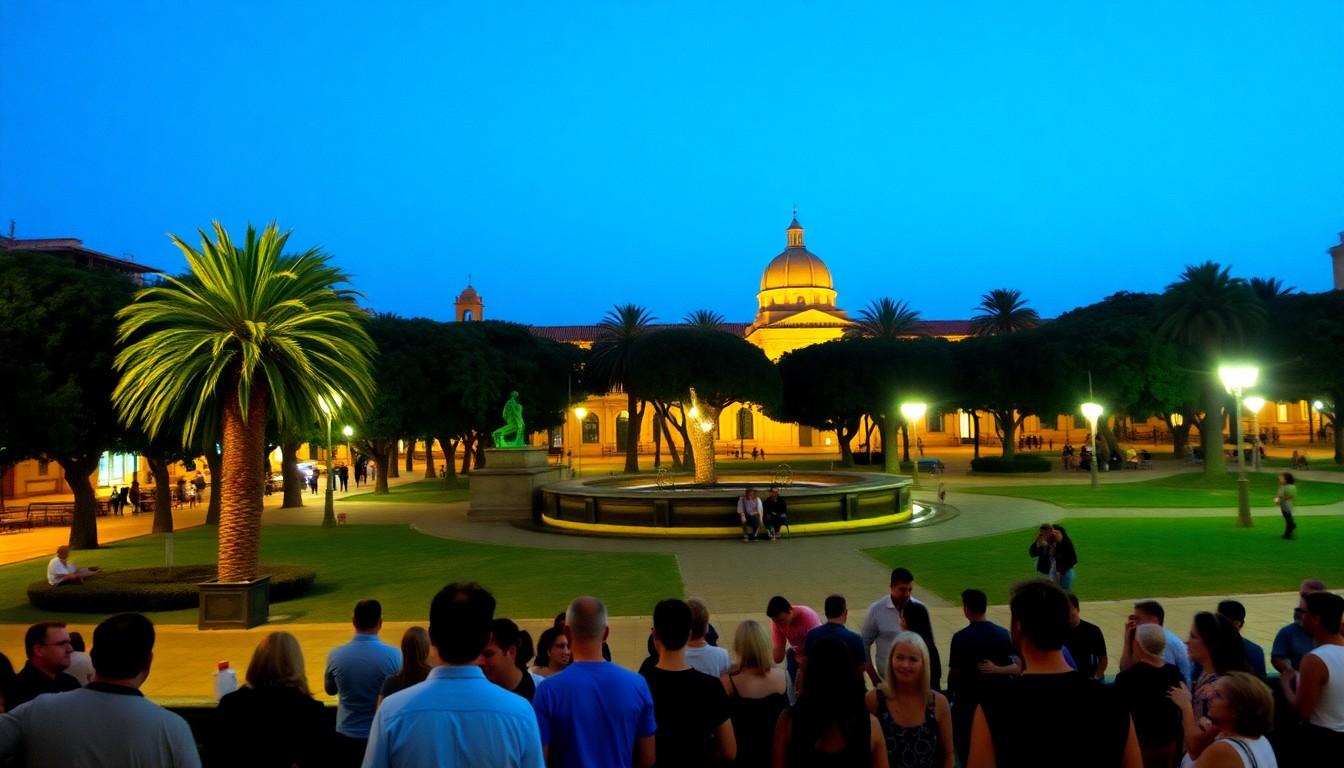
Catch a glimpse of Pride that’s quieter but no less powerful: travellers are discovering North Africa Pride in Melilla, a small Spanish enclave on the African continent where community, visibility and determination give the weekend real heart and travel value. It’s intimate, colourful and a reminder that every march moves rights forward.
Essential Takeaways
- Local scale, big meaning: North Africa Pride draws a few hundred people, offering an intimate, grassroots atmosphere rather than a major festival buzz.
- Visible routes: The march moves from Plaza Comandante Benítez along Avenida del Rey Juan Carlos I to City Hall, ending with activities in Parque Hernández.
- Community-driven: Events are organised by local groups such as AMLEGA and COLEGA, focusing on visibility and support for people who can’t reach larger Prides.
- Accessible weekend trip: Melilla makes for an easy gay‑friendly break with drag shows, music and street celebration without the overwhelm of big city Pride.
- A meaningful travel pick: Visiting smaller Prides helps amplify lesser-heard voices and shows solidarity where it’s most needed.
Why Melilla’s Pride feels different , and why that matters
Melilla’s Pride hits you in the chest with a quiet sincerity rather than a stadium roar, and you notice the different scale the moment you join the march. Instead of sponsor tents and headline acts, there are faces you can recognise and conversations you can have, and that gives the event a direct emotional impact. According to local reporting, the centre of Melilla fills with colour and calls for rights, showing how visibility works even on a modest scale. For travellers who want to connect rather than just spectate, this is a refreshing change.
How the weekend unfolds , routes, parks and performances
The procession commonly starts at Plaza Comandante Benítez, continues along Avenida del Rey Juan Carlos I and finishes at City Hall before Parque Hernández becomes a small festival hub. You’ll find drag performances, music and the kind of community stalls that feel honest and practical. Local press captured scenes of the town centre awash in flags and chants, so bring comfortable shoes, a sun hat and an appetite for close-up Pride moments rather than distant spectacle.
Who’s organising it , meet the local groups
Grassroots associations such as AMLEGA and COLEGA are central to Melilla’s Pride calendar, coordinating everything from marches to community races and park events. Their work is part celebration and part activism, reaching residents who can’t easily travel to big European Prides. If you want to support local LGBTQ+ infrastructure, consider donating to or volunteering with these groups, or choosing local businesses and guides who benefit directly from visitors.
Practical tips for visiting Melilla during Pride
Plan for heat in June, and expect compact crowds rather than huge flows; that makes it easier to find nearby cafés or quieter vantage points. Book accommodation early if you want to stay near the parade route, and learn a few Spanish phrases , people appreciate the effort. Safety-wise, Melilla offers an open, public celebration; still, follow common-sense travel advice: keep valuables secure, respect people’s privacy, and ask before photographing individuals up close.
Why supporting smaller Prides makes a difference
Big city Prides dominate headlines, but smaller events like Melilla’s play a crucial role in keeping queer life visible in places where travel and resources are limited. They’re not just symbolic: they create local networks, give people a chance to be seen, and send a message that progress happens everywhere. Visiting or highlighting these celebrations is a way for travellers to use their presence constructively.
It's a small change that can make every Pride march feel more connected and meaningful.
Source Reference Map
Story idea inspired by: [1]
Sources by paragraph: