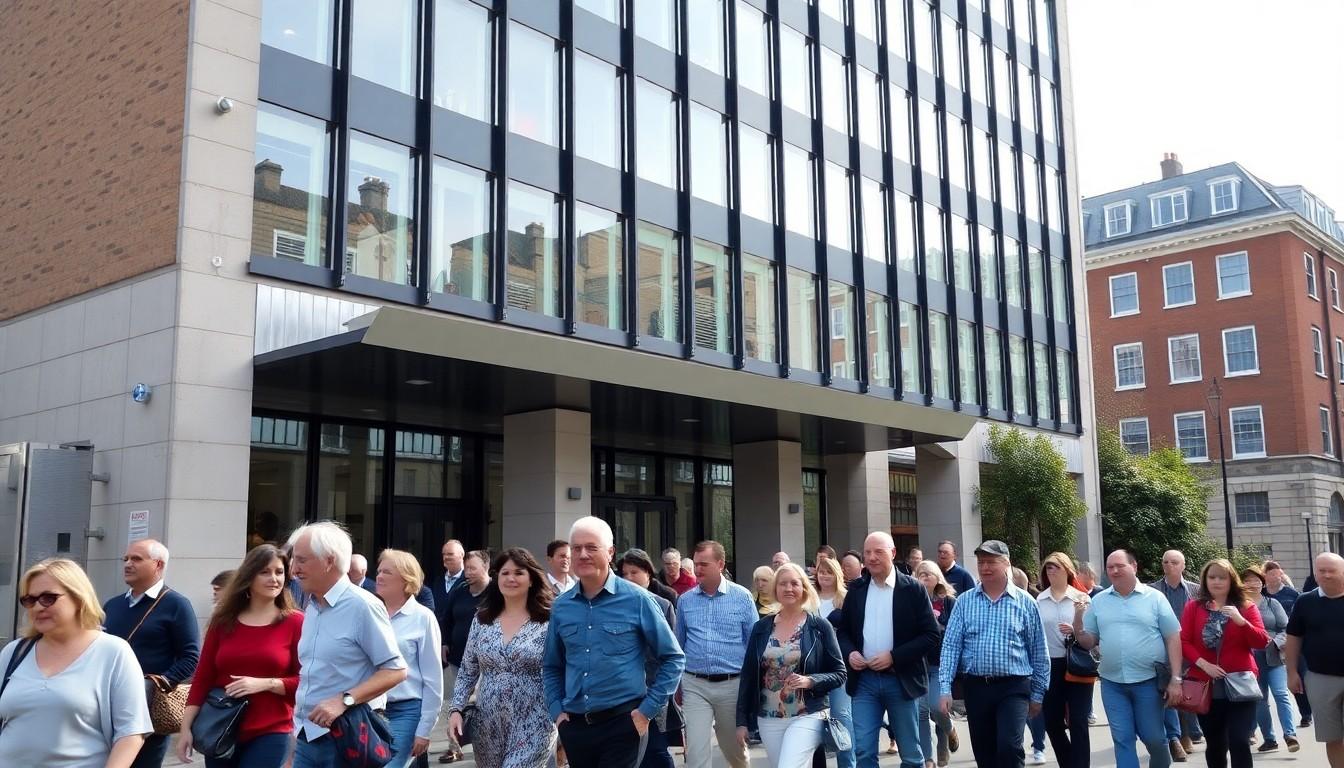
Shout it out: London Trans+ Pride returns on Saturday 25 July 2026, calling allies, friends and family to march from Langham Place at 1pm , a loud, colourful response to legal and political attacks that makes solidarity visible, necessary and oddly joyful.
Essential Takeaways
- When and where: London Trans+ Pride, Saturday 25 July 2026, 1pm start at Langham Place, W1B 3DA.
- Why it matters: The march responds to recent EHRC guidance and other policy shifts that critics say weaken protections for trans people.
- Turnout history: Last year drew roughly 100,000 people , organisers want an even bigger, more diverse crowd in 2026.
- Tone and theme: This year’s banner, “Our Future, Our Fight,” combines celebration with activism and community care.
- Practical stuff: Expect loud music, placards, family groups, and accessibility measures; bring water, wear comfortable shoes and plan meeting points.
Why this march feels urgent , and hopeful
The emotional charge of London Trans+ Pride is obvious when you’re there: bright flags, chanting, and the steady buzz of people who’ve come to be seen. According to coverage of last year’s event, tens of thousands turned out and ITV reported a record 100,000-strong turnout in 2025, so this slice of London knows how to make presence count. The urgency comes not just from politics but from a desire to hold joyous space in public for identities that are under attack.
Behind the spectacle is a political backdrop many marchers talk about. The Equality and Human Rights Commission has laid a draft Code of Practice before Parliament instructing service providers on single-sex services, and campaigners say that was done without consulting trans-led organisations. That sense of exclusion sharpens why people march: it’s a visible answer to decisions made in dusty offices.
What’s changed since last year , the policy picture
If you’ve followed the headlines, you’ll know 2026 has been a rough year on policy. The EHRC’s updated draft services code has been widely reported and analysed, and legal commentators and employers are already parsing what it will mean for public services and workplaces. Alongside that, national guidance on children in schools and the permanent ban on puberty blockers for under-18s have reinforced a feeling that rights and protections are being rolled back.
Industry and legal outlets have dissected the draft code and its potential scope, and campaigners warn it could leave trans people with fewer safeguards than before. That’s the context organisers cite when they call allies to switch from passive support to active advocacy , marching is the first public show, but the point is to take that energy into workplaces, communities and the ballot box.
Who’s marching and what to expect on the day
London Trans+ Pride is for trans, non-binary and gender-diverse people and their allies , families, colleagues, neighbours and anyone who believes in dignity. Last year’s crowd drew a broad cross-section of the capital and beyond, and organisers hope to top that number with more workplaces and community groups joining in. Celebrity messages of support have been part of the conversation, but the bulk of the march is local organisers, grassroots groups and people who want visible solidarity.
Expect a friendly, noisy procession with music, speakers and creative placards. Accessibility and safety are emphasised, but plan ahead: pick a clear rendezvous point in case phones die, and consider quieter points on the route if you need them. Bring water, sun protection or a rain layer , London does both well.
How to show up beyond the street
Organisers and community leaders repeatedly stress that marching is only one step. Dani St James from Not A Phase urged people to turn public action into private advocacy , bring the same energy to workplaces, pubs, community groups and the polling booth. That practical pivot matters: local policies, school guidance and employer practices are often shaped by conversations that happen after the march ends.
If you want to be useful: listen to trans-led organisations about needs, sign petitions that affect local services, support trans-run charities, and press local representatives for inclusive policies. Small, sustained actions add up in ways chants alone can’t.
What this year’s theme means , “Our Future, Our Fight”
“Our Future, Our Fight” is blunt and tender at once; it acknowledges threat while insisting on collective care. Organisers frame the march as a declaration that trans people are not abstract issues for debate but neighbours, friends and workers who deserve safety and dignity. The tone underlines both resistance and community-building.
Look ahead: as policy debates continue, public shows of support like Trans+ Pride shape perceptions as much as laws do. A robust, diverse turnout is a reminder that culture often moves ahead of legislation , and that solidarity can be both protest and party.
It’s a small change that can make every public moment safer and more visible.
Source Reference Map
Story idea inspired by: [1]
Sources by paragraph: