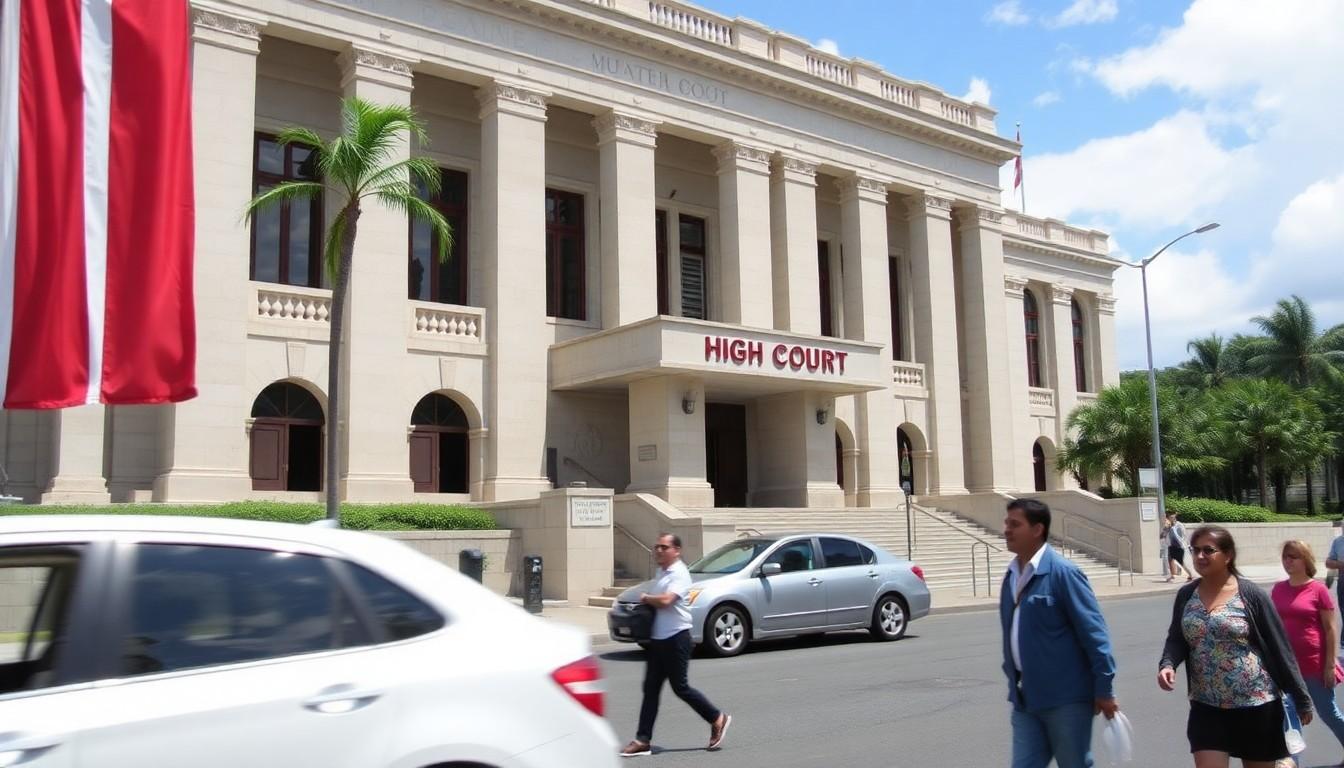
Watch closely: a decade-long legal fight over colonial-era “buggery” laws in Trinidad and Tobago has reached the Judicial Committee of the Privy Council in London, and the outcome could reshape LGBTQ+ rights across the Caribbean, affecting community safety, healthcare access and social stigma.
Essential Takeaways
- Final appeal: The Judicial Committee of the Privy Council in London heard the last legal challenge that could overturn Trinidad and Tobago’s colonial-era criminalisation of gay sex.
- Long campaign: The case began in 2017 and has moved through local courts; a 2018 High Court ruling found the laws unconstitutional, later partly reversed on appeal.
- Human impact: Advocates say the laws inflict stigma and deter young people from seeking support, even if prosecutions are rare.
- Regional ripple: A Privy Council decision in favour of decriminalisation could influence other Caribbean states where similar laws remain.
- Practical note: Any ruling won’t instantly change everyday life; governments, health services and community groups will need to act to dismantle stigma and update policies.
Why this London hearing matters now
The Privy Council’s hearing is the legal climax to a near-10-year struggle that began when Jason Jones filed the case in 2017. There’s a sharp, quiet intensity to this moment , judges in London weighing laws left over from empire against modern human-rights claims. According to reporting by major outlets, the five-judge panel can deliver judgment quickly, and activists across the Caribbean have been waiting on tenterhooks. For many, this isn’t abstract law; it’s about whether people can live without fear of being branded criminals.
The case’s journey: from Port of Spain to London
This fight has moved up and down the judicial ladder. In 2018, Trinidad and Tobago’s High Court struck down the buggery laws as unconstitutional, only for an appeals court to partially reverse that decision in 2025. The Court of Appeal then allowed a fresh appeal to the Privy Council. Legal observers note this pattern isn't unusual: landmark social rulings often take years of litigation and leave room for final, higher-court clarification. For campaigners, the Privy Council represents the last legal stop.
What the arguments are about , beyond prosecution
At stake is more than whether people are arrested. Supporters of change argue that the laws operate through stigma, fear and exclusion, affecting education, healthcare and safety. Jones and allied LGBTQ+ organisations highlight how criminalisation can compound harm during formative years, discouraging disclosure of abuse or mental-health struggles. Opponents, backed by influential religious bodies in Trinidad and Tobago, frame the statutes as reflecting moral values. The clash is therefore constitutional, medical and cultural all at once.
Regional context and precedent
This hearing sits against a shifting Caribbean backdrop. Courts in Barbados, Dominica, St Lucia and Antigua and Barbuda have recently struck similar laws, while other territories reformed statutes years ago. Yet several countries still criminalise gay sex, so a Privy Council ruling in favour of decriminalisation would carry persuasive weight across the region. Legal commentators say it could accelerate constitutional challenges elsewhere, though each jurisdiction’s politics will shape how quickly laws and attitudes change.
What happens if the Privy Council rules either way
A decision for Jones would legally remove the criminal stain, but it wouldn’t erase stigma overnight. Governments would need to revise statutes, health services would need outreach and schools might require updated safeguarding guidance. A ruling against Jones would be a setback for regional activists but likely spur fresh pressure for legislative reform and public education. In either scenario, human-rights groups emphasise follow-through: legal wins must be matched by practical support for LGBTQ+ people.
It's a small change in wording that could make a big difference for how people live and love in the Caribbean.
Source Reference Map
Story idea inspired by: [1]
Sources by paragraph: