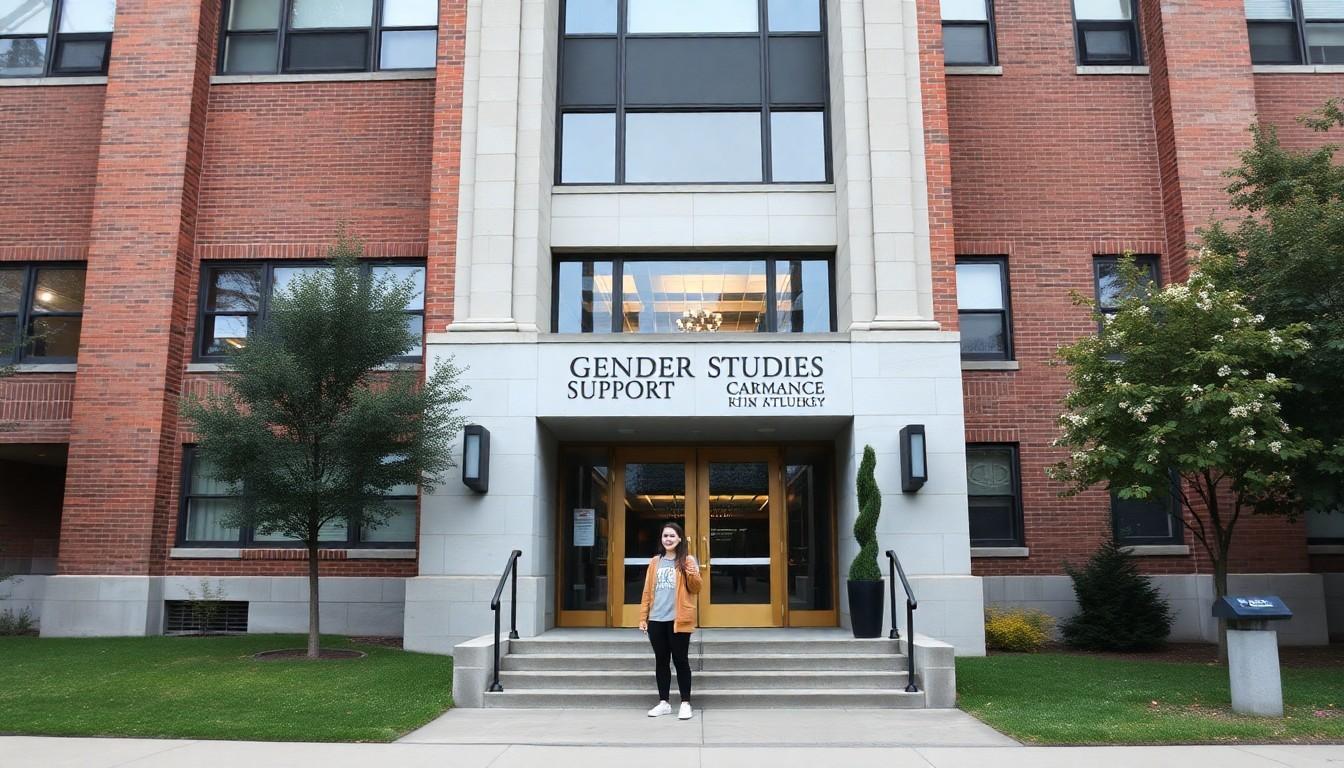
Notice how labels are changing: researchers find increasing numbers of Gen Z women in New York universities and national polls are shifting the map of sexual identity, and it matters for how we think about attraction, behaviour and who gets to name their own sexuality.
Essential Takeaways
- Clear trend: Surveys and a 15-year university dataset show a steady rise in Gen Z women reporting non-exclusive attraction and LGBTQ+ identification.
- Three measures differ: Attraction, behaviour and self-identification don’t move in lockstep , identity rises faster than behaviour in many cases.
- Gender gap: Men in the same samples show little long-term change and remain more likely to report exclusive heterosexuality.
- Visible but consistent across groups: The shifts were broadly similar across racial groups in the study, suggesting a widespread cultural change.
- Practical cue: For parents, educators and policymakers, recognising identity as distinct from behaviour or attraction can shape more inclusive support and services.
Young women are rewriting labels , and it feels noticeable
Researchers have been tracking sexualities for over a decade, and the latest analysis shows a striking move away from exclusive heterosexual attraction among young women. The datasets carry a soft but clear emotional impression , more young women describe attractions that aren’t just to men, and many are choosing non-heterosexual labels. It’s the kind of cultural change you can almost hear in conversations on campus and social feeds.
Why the study matters: three measures that don’t always match
The research separates sexual attraction, sexual behaviour and self-identification, and that matters because these three things don’t always tell the same story. According to the analysis, identity labels have surged even when behaviour hasn’t shifted at the same speed. That helps explain why poll figures showing rising LGBTQ+ identification aren’t simply about people acting differently, but about how they understand themselves and want to be seen.
National polls back the campus pattern
Gallup and other surveys have shown similar movement: a larger share of Gen Z women report LGBTQ+ identities compared with men, and national estimates of LGBTQ+ identification have more than doubled since the early 2010s. Journalists and analysts from several outlets have been tracking these poll trends, and they reinforce the university findings , this isn’t a quirk of one campus, it’s a broader generational pattern.
Men’s reported sexuality looks more stable , what that tells us
While young women are reporting less exclusive attraction, men in the same samples largely remained concentrated in exclusive heterosexuality. That gender gap is one of the most striking takeaways and suggests different social pressures, cultural scripts, or ways of experimenting with identity are at play. For anyone designing sexual-health education or support services, that unevenness is worth noting.
Practical advice: how to respond in everyday life
If you’re a parent, teacher or friend, remember identity is personal and can change , listening beats assuming. Use language that separates behaviour from identity when it matters , ask how someone wants to be referred to rather than guessing. Institutions should update forms and services to reflect identity diversity, and clinicians can take care to ask gently about attraction, behaviour and identity as distinct areas.
What’s next , a more open, if complicated, landscape
This shift to more flexible sexual identities among Gen Z women feels like both a release and a reorganisation of labels. It opens space for people to name themselves more honestly, but it also challenges old assumptions about who is “really” straight or queer. Expect further research and evolving public conversations as these cohorts age and their relationships, families and political priorities develop.
It’s a small linguistic and social shift that changes how people live , listen, learn and adapt.
Source Reference Map
Story idea inspired by: [1]
Sources by paragraph: