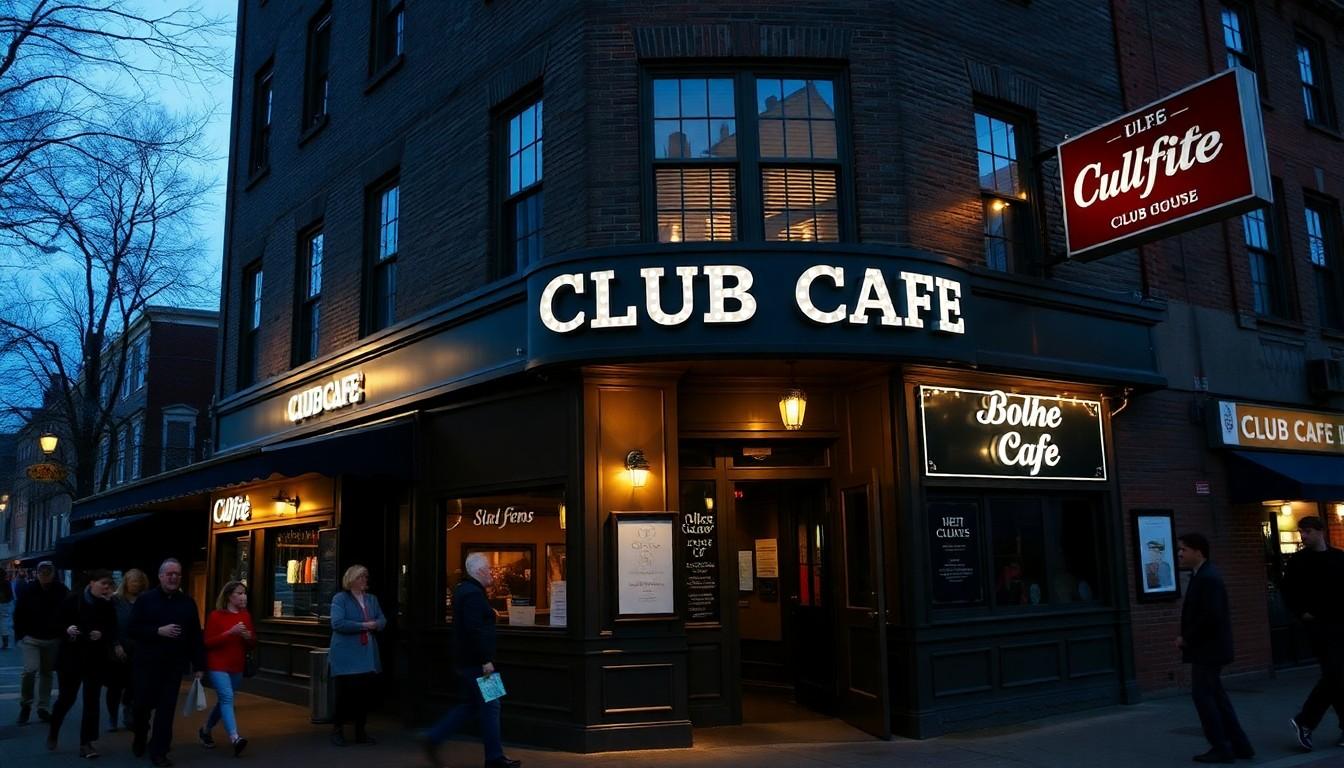
Shoppers are returning to queer neighbourhoods and club-goers are rediscovering the magic of the local gay bar, because these spots still offer sanctuary, history and a loud, laughing kind of joy; here’s why a handful of classic and new bars matter , and how to pick one that fits your vibe.
Essential Takeaways
- Historic draw: Many gay bars have been community anchors for decades, offering a familiar, welcoming atmosphere and events that keep regulars coming back.
- Accessible atmosphere: Popular neighbourhoods like Boystown in Chicago and established venues in Boston remain easy to reach and feel safe for newcomers.
- Diverse crowds: The best bars host mixed, multigenerational crowds and programming that ranges from quiet weeknights to hedonistic weekend drag.
- Pick by personality: Choose a place by its energy , low-key lounges for conversation, bars with dance floors for letting loose, or leather-friendly spaces for subcultures.
- Practical check: Look up hours and events in advance, note peak times, and consider who you want to meet before heading out.
Why these bars still feel sacred
There’s a fizz to walking into a queer bar that’s hard to replicate online, and you feel it within seconds , the hum of people who know the songs and the shorthand. According to reporting on nightlife communities, venues that survive rising rents and shifting social habits do so because they’re more than drink counters; they’re cultural living rooms. For anyone new to a city, these places offer both safety and instant social currency, and that’s priceless when you’re finding your way.
Boston to Chicago: neighbourhoods that anchor queer life
Boston and Chicago each boast bars that double as landmarks, with long-running venues drawing lines and loyal crowds. In Boston, longstanding clubs and community-focused nights kept the scene vibrant through changing eras. Chicago’s Boystown , with spots like Roscoe’s and the multilevel Sidetrack , shows how a concentration of bars can create a single district people visit for a full night out. If you want to sample the scene, pick one street and hop from bar to bar; you’ll feel the local rhythm quickly.
Sidetrack and the art of being iconic
Sidetrack in Chicago has built a reputation for sheer theatricality and an inclusive party vibe, and its long-running presence means it’s both a tourist draw and a home for locals. Venues like this sustain themselves by programming drag, theme nights and accessible layout choices that keep people coming. If you’re weighing a first visit, choose an off-peak weeknight to check the space and the crowd, then return on a weekend when the full energy arrives.
What to look for when choosing your neighbourhood bar
Ask yourself what you want from the night: conversation, dancing, cruising, or community organising. Smaller bars offer easier conversation and a quieter feel, while larger venues bring DJs, lights and a messier, more intoxicating crowd. Practicalities matter too , check accessibility, transit links, and whether the bar posts its schedule online. Local event listings and venue websites are your friend for planning a first visit without surprises.
Why gay bars still matter politically and emotionally
Beyond fun, bars remain political spaces where queer people gather, debate, celebrate and organise. With rights and rhetoric fluctuating nationwide, that in-person solidarity matters more than ever. These venues archive social memory , the stories, rituals and friendships that hold a community together , and losing them would mean losing a kind of shorthand that’s hard to rebuild online.
It's a small change to your night out, but choosing the right bar can make your city feel a lot more like home.
Source Reference Map
Story idea inspired by: [1]
Sources by paragraph: