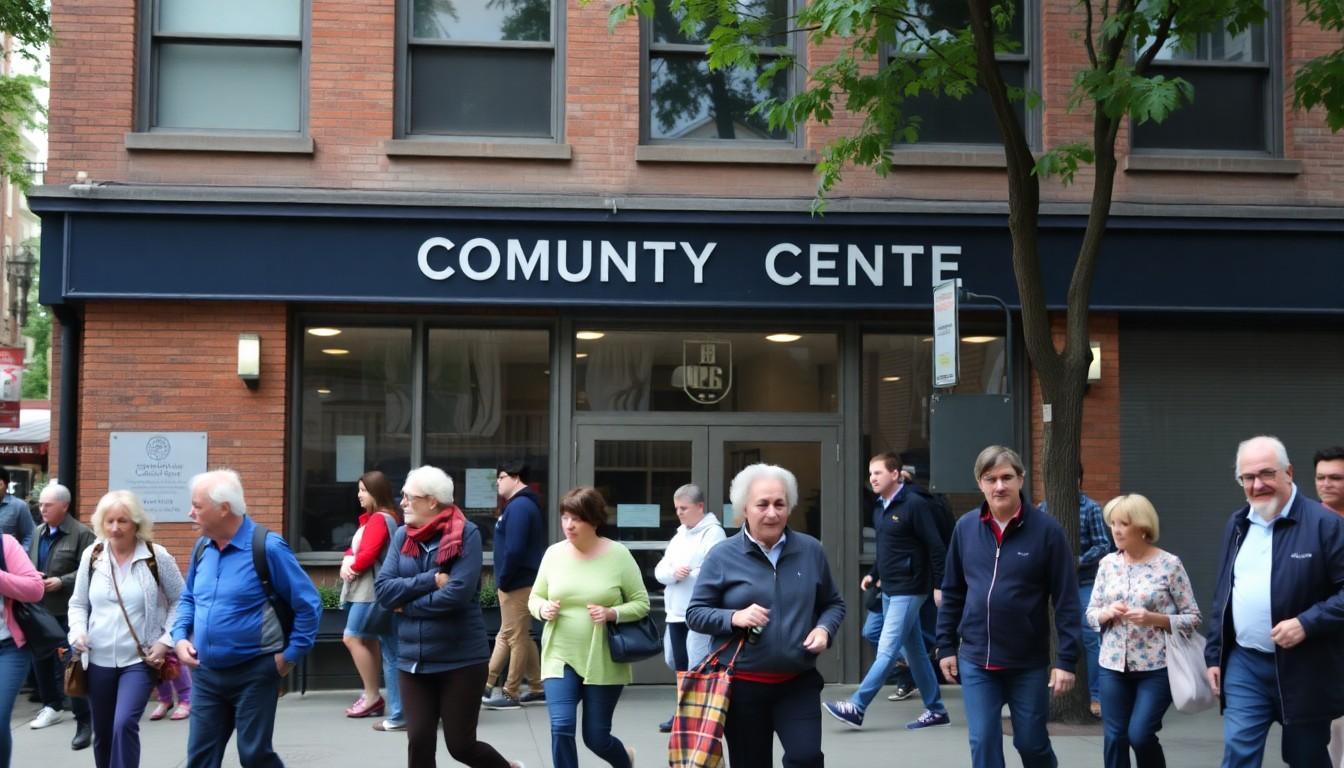
Shoppers are turning to better ageing policy for LGBTQ+ older New Yorkers; New York City is investing in centres, surveys and a new commission so those who built community can age with dignity, connection and the care they deserve.
Essential Takeaways
- Targeted investment: NYC Aging now funds LGBTQ+ older adult centres and caregiving programmes that provide respectful, affirmative services.
- New oversight: A Commission on LGBTQIA+ Older Adults was created to study needs and guide policy across housing, healthcare and transport.
- Real demand: Thousands use these centres weekly , from hot meals to social programmes , offering practical support and companionship.
- Hidden risks: Many LGBTQ+ elders live alone, lack family caregivers and rely heavily on Social Security and paid care.
- Community roots matter: Mutual aid networks born in crisis remain a key support, so policy must back, not replace, grassroots care.
Why the city’s new commission matters for everyday life
The strongest fact to start with is simple: New York has set up a dedicated commission to examine the lives of LGBTQ+ older adults, and that creates a platform for real change. For people who’ve spent decades building alternative families and shared care, official recognition feels like relief as much as policy. According to SAGE, these initiatives are already linked to targeted funding for centres and caregiving supports, which means more consistent services for people who’ve too often been invisible. If you’re choosing services for an older relative, look for programmes tied to NYC Aging funding , they tend to offer more culturally competent care.
Centres and meals: small comforts with big impact
There’s nothing glamorous about a hot meal, but for many older LGBTQ+ New Yorkers it’s the hub of social life and a weekly lifeline. SAGE reports more than a thousand hot meals served weekly across its centres, alongside social activities like bingo that keep people connected. These centres fill gaps left by broken family ties and past discrimination, offering both practical help and a sense of belonging. When you assess local options, prioritise places that combine nutrition, social programmes and casework , the trio makes ageing safer and less lonely.
The data push: surveys that actually listen
Policy without data can miss the mark, which is why citywide surveys and SAGE’s own research matter. Recent surveys aim to identify where services fall short , whether in housing stability, access to culturally sensitive healthcare, or unmet caregiving needs. That insight helps direct limited funds to where they’ll do the most good. If you work in social services or run a neighbourhood group, participating in these surveys is a practical way to shape services that reflect lived experience.
Why chosen family and mutual aid still drive care
Many LGBTQ+ elders rely on chosen family, friends and community organisations rather than biological relatives; that’s a legacy of exclusion but also of resilience. Groups that formed during the AIDS crisis still serve as caregiving and emotional networks. Supporting these grassroots structures , through grants, space, and technical assistance , is often more effective than building parallel bureaucracies. Funders and policy-makers should see community networks as partners, not afterthoughts.
Practical choices for families, advocates and planners
If you’re arranging care or campaigning for better services, start local and specific. Look for centres funded by NYC Aging, encourage participation in needs surveys, and prioritise providers trained in LGBTQ+ cultural competency. For advocates, pushing for sustained funding for the commission’s recommendations is the clearest path to long-term change. And for neighbours, a phone call or shared meal can make a real difference in someone’s week.
It's a small change that can make every late-life connection safer and kinder.
Source Reference Map
Story idea inspired by: [1]
Sources by paragraph: