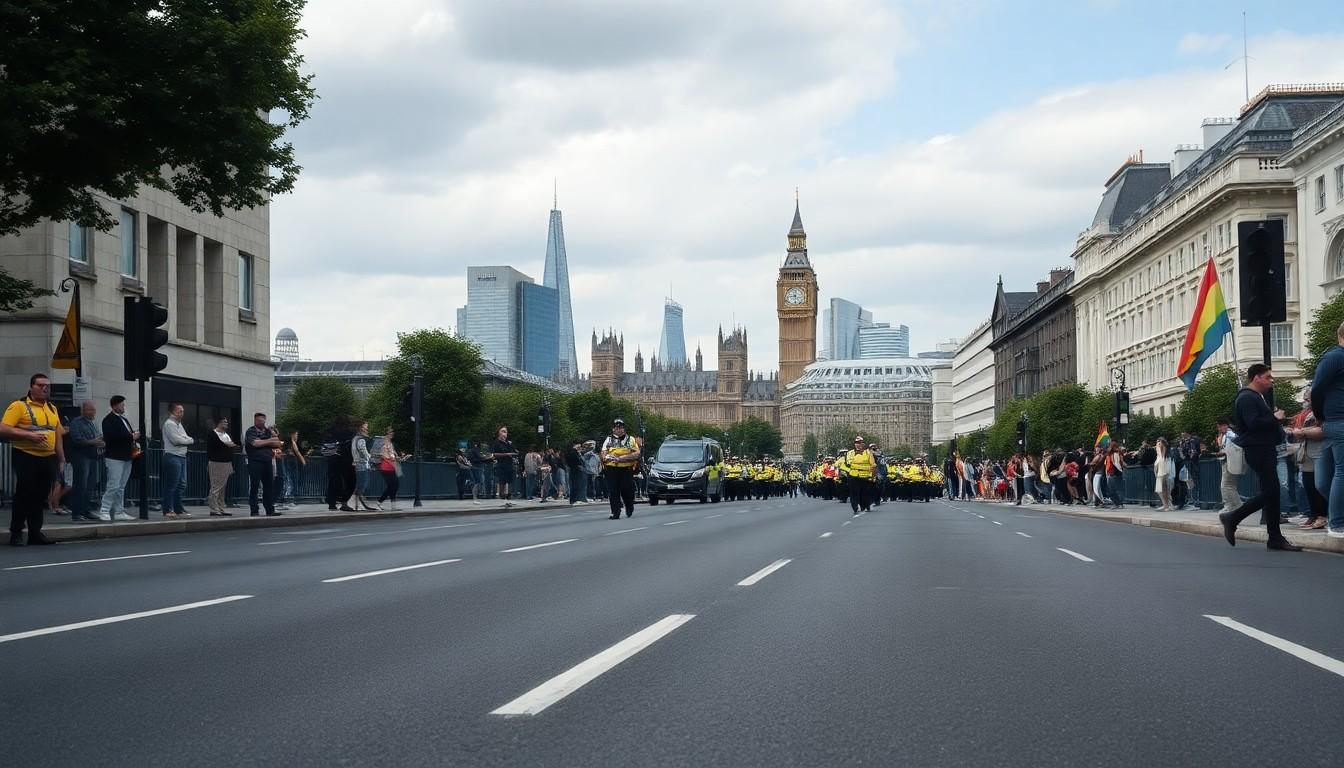
Shocked onlookers have shared footage of Jewish LGBTQ+ attendees facing antisemitic abuse at London Pride, sparking a police probe and fresh questions about safety, policing and community inclusion at public marches. Here’s what we know, why it matters, and practical steps organisers and attendees can take.
Essential Takeaways
- What happened: Video shows people carrying Israeli and Pride flags being jeered and shouted at with explicit antisemitic slurs during the 4 July march; footage has circulated widely online.
- Police response: The Metropolitan Police said officers are reviewing footage and investigating; around 650 officers were deployed on the day and the Met reports more than 90 hate-crime arrests since March.
- Community impact: Some Jewish LGBTQ+ groups had already chosen not to attend Pride this year over safety fears, and campaigners are demanding those responsible be identified and prosecuted.
- Wider context: The Met has recently created a 100-officer community protection unit to tackle anti-Jewish hate, as authorities warn antisemitism is rising across Britain.
- Practical note: If you witness or experience hate at a march, record safely, report to stewards and police, and seek support from community groups and legal advice services.
Footage went viral , raw, upsetting and unmissable
The strongest image from the weekend is the footage itself: people waving Israeli colours and Pride banners confronted with chants and slurs, some referencing the war in Gaza. The scenes are jarring, and they landed on social media like a splintered mirror , celebrations interrupted by abuse, and viewers left unsettled. According to reporting, the Met is now reviewing that footage as part of an investigation, which feels like the only procedural step available against such public incidents.
Why some Jewish LGBTQ+ groups stayed away
This wasn’t the first year concerns about safety affected Pride attendance decisions. Several Jewish LGBTQ+ organisations had already opted out of this year’s march, citing fears about antisemitic abuse. That choice speaks to a deeper worry: if members of a community feel they can’t safely be visible at an event designed to celebrate identity, the event has failed part of its mission. Campaign Against Antisemitism has urged prosecutions, arguing the behaviour captured is explicitly antisemitic and needs legal follow-through.
The Met’s wider strategy , more officers, more scrutiny
London’s police presence was significant: roughly 650 officers at Pride and, separately, a new 100-officer unit dedicated to tackling anti-Jewish hate were both flagged in recent months. The Met says it has made more than 90 hate-crime arrests since March, and Commissioner Sir Mark Rowley has described antisemitism as a growing “pandemic”. Still, video shows officers visible during some confrontations yet no arrests at the time, prompting questions about real-time policing tactics at large, charged gatherings.
Where this sits in a national trend
Incidents like arson attacks and street-level abuse have prompted wider reporting on antisemitic crimes around the UK in recent months. Journalists and outlets have been tracking a rise in reported antisemitic incidents, and community advocates argue this should inform policing priorities and event safety planning. For Pride specifically, organisers now face the task of balancing open celebration with targeted safeguarding measures for vulnerable groups.
What organisers, stewards and attendees can do now
Organisers: create clear reporting routes, designate protected areas for groups who want them, and publish post-event incident summaries to build trust. Stewards and volunteers: get basic hate-crime reporting training and know how to escalate incidents to police rapidly. Attendees: if you feel safe to, document abuse discreetly, report to stewards or police on site, and contact advocacy groups afterwards for support. Legal and community organisations can help with preserving evidence and pursuing charges.
It's a small change in approach , better reporting, clearer protection , that could make public celebrations safer and more inclusive.
Source Reference Map
Story idea inspired by: [1]
Sources by paragraph: