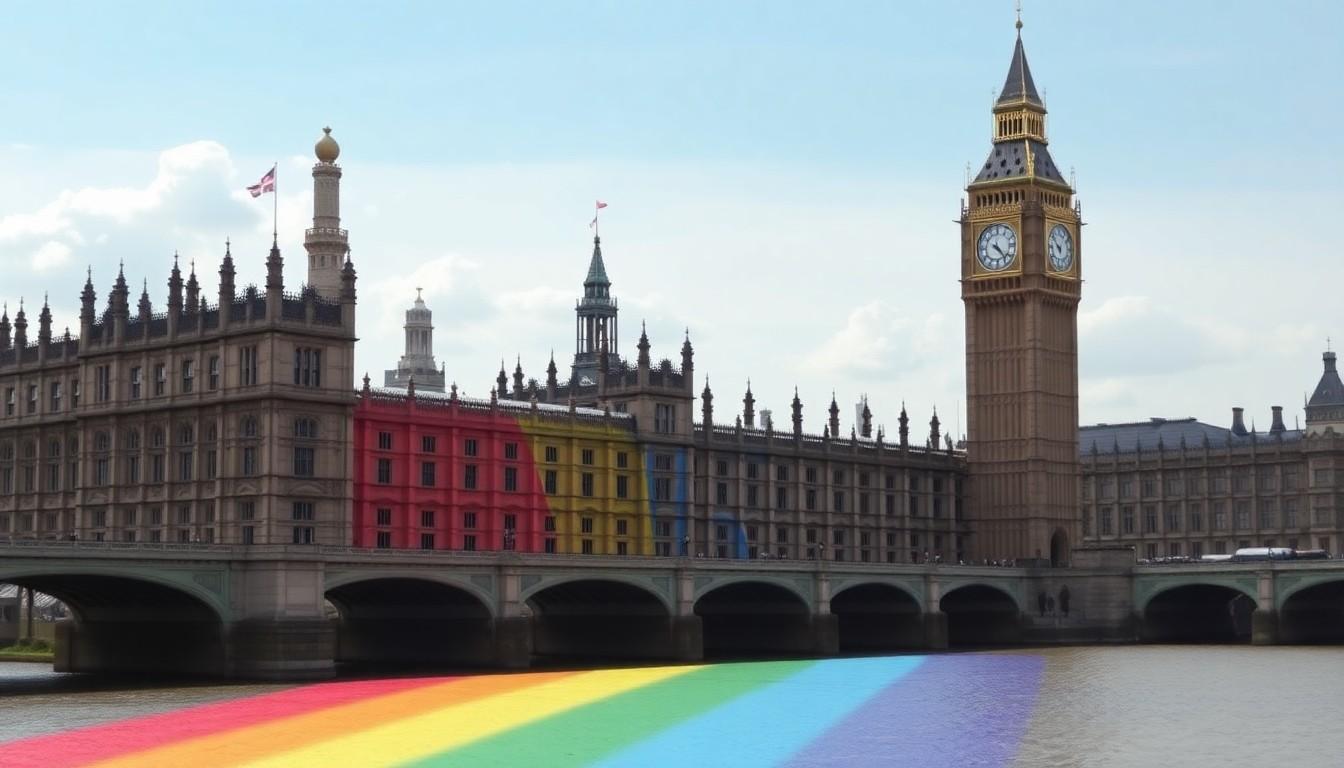
Spotting Big Ben is a must for visitors, but looking closer at the tower and Westminster reveals how a landmark can be both a photo op and a symbol of power , and why that matters to London’s LGBTQIA+ community today. Here’s a lively guide to the facts, history, and context behind the bell, the tower and Pride in the capital.
Essential Takeaways
- What Big Ben is: The name actually refers to the bell inside the Elizabeth Tower, not the whole clock tower, though most people use Big Ben for the whole thing.
- When it was built: The current Palace of Westminster and its clock were erected after the 1834 fire; the clock started in 1859 and the bell dates from the 1850s.
- Design pedigree: Sir Charles Barry designed the Palace, while Augustus Pugin is closely associated with the Gothic detailing of the tower.
- Pride moment: The Palace of Westminster was illuminated in rainbow colours during Pride events, a rare public solidarity gesture with LGBTQIA+ London.
- Mixed progress: The UK has made legal advances for LGBTQIA+ people over decades, but social inequality, racism and class divisions persist within the community.
Big Ben: the bell, the tower, and the easy mistake to make
Most people point their phone and say “there’s Big Ben,” which is fine , it’s the cultural shorthand , but technically you’re naming the bell inside the Elizabeth Tower. That little correction is also a neat conversation starter when you’re queueing along the Thames, because it drops in a slice of history with your selfie. According to heritage sources and museum timelines, the clock and bell were fitted in the 1850s and the mechanism first ran in 1859, after the old Parliament burned down in 1834. The story gives the tower a slightly scarred, phoenix-like quality: it’s recognisable, resilient and full of Victorian craftsmanship.
Who built Westminster and why the tower looks so… imposing
The Palace of Westminster as you see it was designed by Sir Charles Barry, while the ornate Gothic flourishes , the bits that make the tower look like a giant medieval candle , are linked to Augustus Welby Northmore Pugin. That combination gives the building its official, pompous presence; it’s meant to impress and to intimidate, which is useful to remember when you’re standing there with fifty other tourists. Architectural critics sometimes read the tower’s verticality as a statement of power , and not everyone finds that comforting. It’s a backdrop for state authority, and that context affects how minority communities experience it.
Rainbow lights: a symbol that’s suggestive but not the whole story
When Westminster’s façade was lit in rainbow colours during Pride events, it felt striking , seeing the seat of government wearing solidarity was a punchy image for the city. But the gesture is symbolic, and symbols are only as powerful as the policies and lived realities that follow. Lighting up a building doesn’t erase layers of exclusion or the everyday barriers LGBTQIA+ people still face , from class and racial inequalities to access to services. Still, public visibility matters: it sparks conversation, and sometimes those conversations lead to change.
Legal progress: milestones, but the struggle continues
Britain has a clear, documented arc of legal reform for LGBTQIA+ people: decriminalisation of male homosexual acts in 1967, equalising the age of consent, repeals of discriminatory clauses, civil partnerships, same-sex marriage and gender recognition laws. The National Archives and legal histories trace those steps as major advances. Yet legislation doesn’t automatically transform culture or remove structural disadvantages. Many LGBTQIA+ people still navigate discrimination, economic precarity and social stigma, and those problems are compounded by racism and elitism within the community itself. In short: law changed the rules, but lives take longer to shift.
How to visit, understand, and show support while you’re in London
If you want to experience Big Ben respectfully, remember a few things: take the time to learn why the tower matters beyond the postcard shot; notice the Victorian detail up close; and consider visiting nearby LGBTQIA+ spaces and museums to get a fuller picture of the city’s queer history. For anyone wanting to support, small gestures add up , donate to local charities doing frontline work, join a Pride march, or simply amplify queer voices in the places you move through. Practical tip: the Elizabeth Tower itself has limited public tours, so check official guidance before you travel.
Looking ahead: heritage, protest and the long view
Heritage sites like Big Ben are never neutral , they’re layered with meaning, power and memory. They can be reclaimed as sites of protest or celebration, depending on the moment and the movement. As London keeps changing, the tower will remain a focal point, useful for selfies and for serious thought alike. And the fact that Westminster will sometimes put on a rainbow shows how visibility and symbolism can coexist with real political work.
It's a small change to notice the bell inside the tower, but a useful step toward understanding how monuments shape, and are shaped by, the people who live under their shadow.
Source Reference Map
Story idea inspired by: [1]
Sources by paragraph: