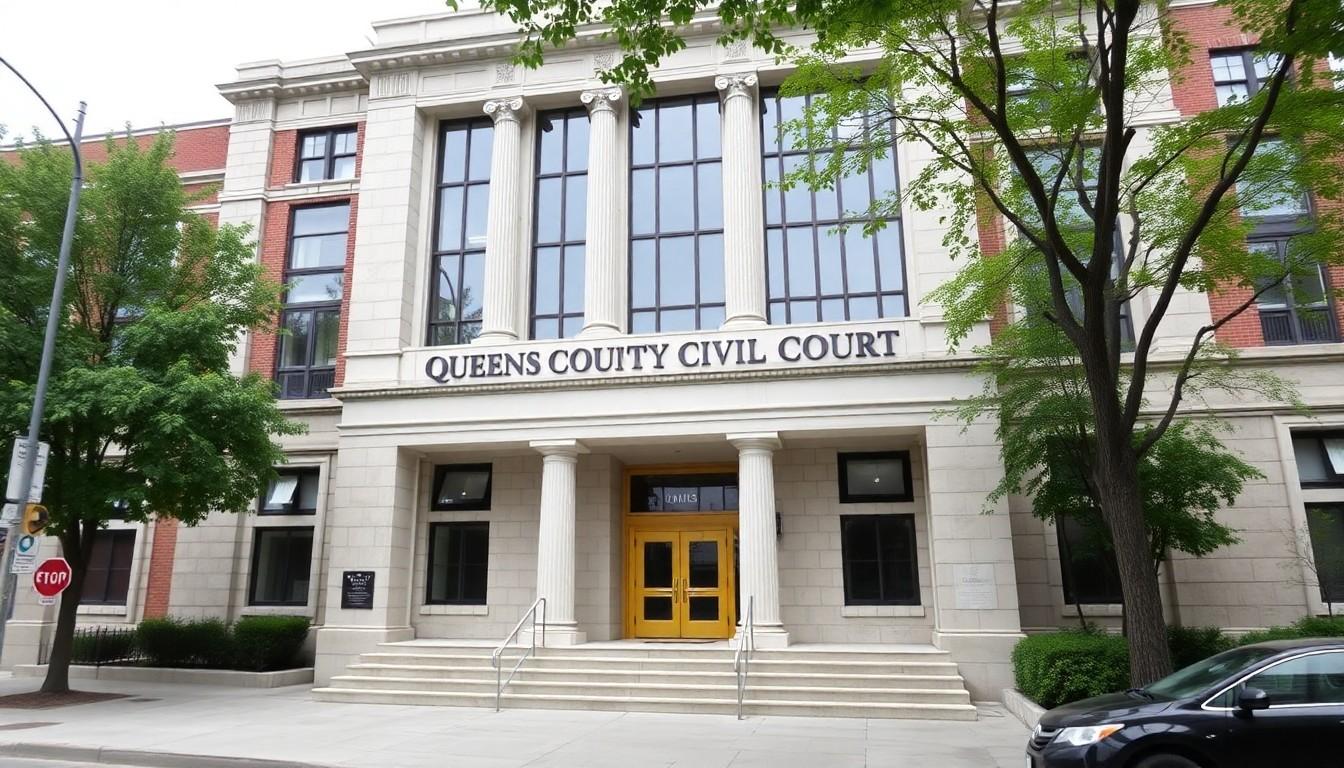
Celebrate with a smile: last week Queens’ legal community hosted a warm, visible Pride event in Jamaica that brought judges, court staff and bar groups together to signal inclusion where it matters most , inside the courthouse. It was lively, ceremonial and quietly historic for local legal life.
Essential Takeaways
- Who showed up: Senior judges and court leaders joined local bar groups and court committees to celebrate Pride in the Queens County Civil Court.
- Where it happened: The event took place at Queens County Civil Court in Jamaica, a familiar civic space given new, celebratory energy.
- Hosts and partners: Multiple organisers , county bar committees, Surrogates Court, Family Court and the LGBT Bar Association and Foundation of Greater New York , collaborated.
- Atmosphere: The affair mixed solemn ceremony and light music, with a master of ceremonies and live entertainment that gave it a community feel.
- Why it matters: It signalled visible support for LGBTQ+ people who work in, use, or enter the justice system, reinforcing inclusion in everyday civic institutions.
A courthouse with party lights: what happened in Jamaica
The strongest image was simple: a courthouse usually associated with hearings and paperwork hosting a communal Pride hour, warm with conversation and music. That sensory contrast , marble and formality softened by laughter and a live set , made the moment feel both striking and reassuring. According to local reports, the gathering featured judges and court officials standing shoulder to shoulder with bar members and advocates, sending a clear message about inclusion where civic business gets done. For lawyers, clerks and litigants who walk those corridors daily, the gesture helps turn abstract support into something tactile.
Who organised it and why it mattered
Multiple groups pulled this together, including the Queens County Bar Association’s LGBTQ+ Committee and court branches like the Surrogates and Family Courts, alongside the LGBT Bar Association and Foundation of Greater New York. Collaborations like this show how professional bodies and court administrators can use existing structures to hold space for communities. Organisers said they wanted Pride to be visible in the institutions that shape people’s lives , the courts , not just on parade routes or at clubs. That practical approach makes the celebration feel less symbolic and more structural.
Dignitaries, music and the tone of the day
Senior jurists attended, lending gravitas, while a well-known local judge acted as master of ceremonies and a trans-led musical group provided live music. The balance of formality and lightness mattered: it allowed serious conversations about access and fairness to happen in a setting that felt welcoming. Events that mix official remarks with cultural performance tend to reach more people; they let legal leaders speak directly to staff and the public while lowering the barriers to approaching those same leaders afterwards.
What this signals for court culture in Queens
A courthouse Pride event sends a message inside the institution: the judiciary and court staff are paying attention to inclusion beyond written policies. When courtrooms and administrative offices host visible celebrations, they help normalise LGBTQ+ presence at every level of legal life , from judges and lawyers to clerks and visiting litigants. For someone nervous about walking into a courtroom, a sign that leaders openly mark Pride can be quietly reassuring, and it nudges culture toward day-to-day acceptance.
Practical takeaways for organisers and attendees
If your own legal or civic organisation wants to follow suit, think small and intentional: collaborate across committees and court divisions, mix short formal remarks with music or art, and choose a familiar civic space so the event feels integrated rather than performative. Make sure leaders participate visibly and create moments for staff to chat informally with officials. And for attendees, bring curiosity: these events are as much about listening and connection as they are about celebration.
It's a small change that can make public institutions feel more inclusive every day.
Source Reference Map
Story idea inspired by: [1]
Sources by paragraph: