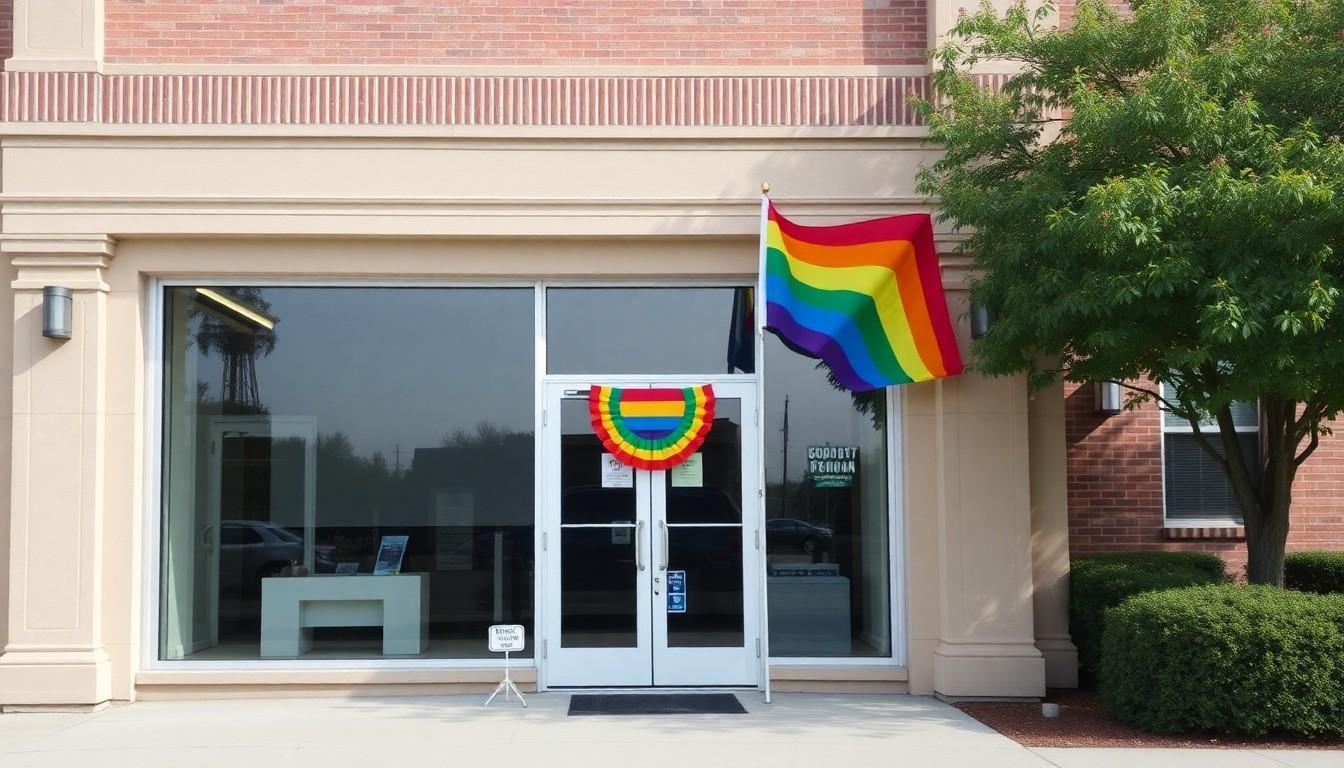
Shoppers are turning to new language and practices , and churches are too: pastors and congregations across the UK and beyond are rethinking how to care for LGBTQ+ people beyond Pride month, with simple habits that build dignity, honesty and ongoing welcome.
Essential Takeaways
- Intentional language matters: Asking for and sharing pronouns signals respect and affirms identity in small, everyday ways.
- Be honest about safety: Use “brave space” language rather than promising absolute safety; honesty builds trust.
- Clear statements help: Saying where your church stands , even if still discerning , lets visitors assess comfort and belonging.
- Offer private and corporate support: One-to-one pastoral conversations and inclusive group life serve different needs.
- Think year-round: Inclusion isn’t a June project; ongoing practices show genuine care and commitment.
Why language is the first, and easiest, step
Words land on people like weather, warm, chill or painfully cold, so starting with language is low-effort and high-impact. Asking for pronouns or modelling them when you introduce yourself is a small, tactile move that signals you notice and honour identity. Good Faith Media’s recent coverage and leaders at Williamsburg Baptist point out that such habits feel awkward at first, but people quickly adapt.
This is practical: add pronouns to name badges, email signatures and Zoom profiles, and remind visiting preachers to include them in bios. It’s not about policing speech, it’s about making public rooms reflect private respect.
Don’t promise safety you can’t control , promise honesty instead
Lots of churches want to be welcoming, and the instinct to call a building a “safe space” is understandable. But as ministers have observed, safety can’t be guaranteed for everyone at every moment. “Brave space” acknowledges risk while committing to care and accountability.
Create both private brave spaces, confidential pastoral meetings where someone can ask questions without performance, and corporate brave spaces where groups, classes and services welcome full participation. That way you provide multiple routes for people to connect, each with realistic expectations.
Make your stance clear: clarity is kindness
Ambiguity is exhausting. Brené Brown’s idea that “clear is kind” applies especially in churches: saying where you stand on LGBTQ+ inclusion, or where you are in the process of discerning, helps newcomers decide whether they can belong here. It’s kinder to be transparent than to leave people guessing.
Practical moves include publishing a short statement on your website, explaining current policies for staff and sacraments, and offering a contact for questions. If your church is still discerning, a sentence about that process and a timeline is helpful.
Practical pastoral care: one-on-one and together
Pastoral responses need to be both personal and communal. Private conversations allow people to speak freely about identity, health, or family concerns without fear of performance. Meanwhile, inclusive Sunday School groups, support circles or faith formation classes build shared life and reduce isolation.
Churches can also signpost external resources and local groups, and make sure pastoral training includes language and boundaries around gender and sexuality. That combination, personal attention plus communal belonging, helps people stay connected even when public debate gets noisy.
Why year-round attention matters, not just Pride month
Pride month raises visibility, but threats and pastoral needs don’t arrive on a calendar. With laws and headlines affecting trans and queer people in many places, ongoing pastoral care matters more than ever. Churches that treat inclusion as an annual campaign risk sounding performative; churches that embed habits across the year show genuine, sustained care.
Start by building routines, regular training for staff, updating communications, and checking in with LGBTQ+ members beyond celebratory events. These small organisational choices signal that welcome isn’t seasonal but structural.
It’s a small change that can make every welcome feel more honest and humane.
Source Reference Map
Story idea inspired by: [1]
Sources by paragraph: