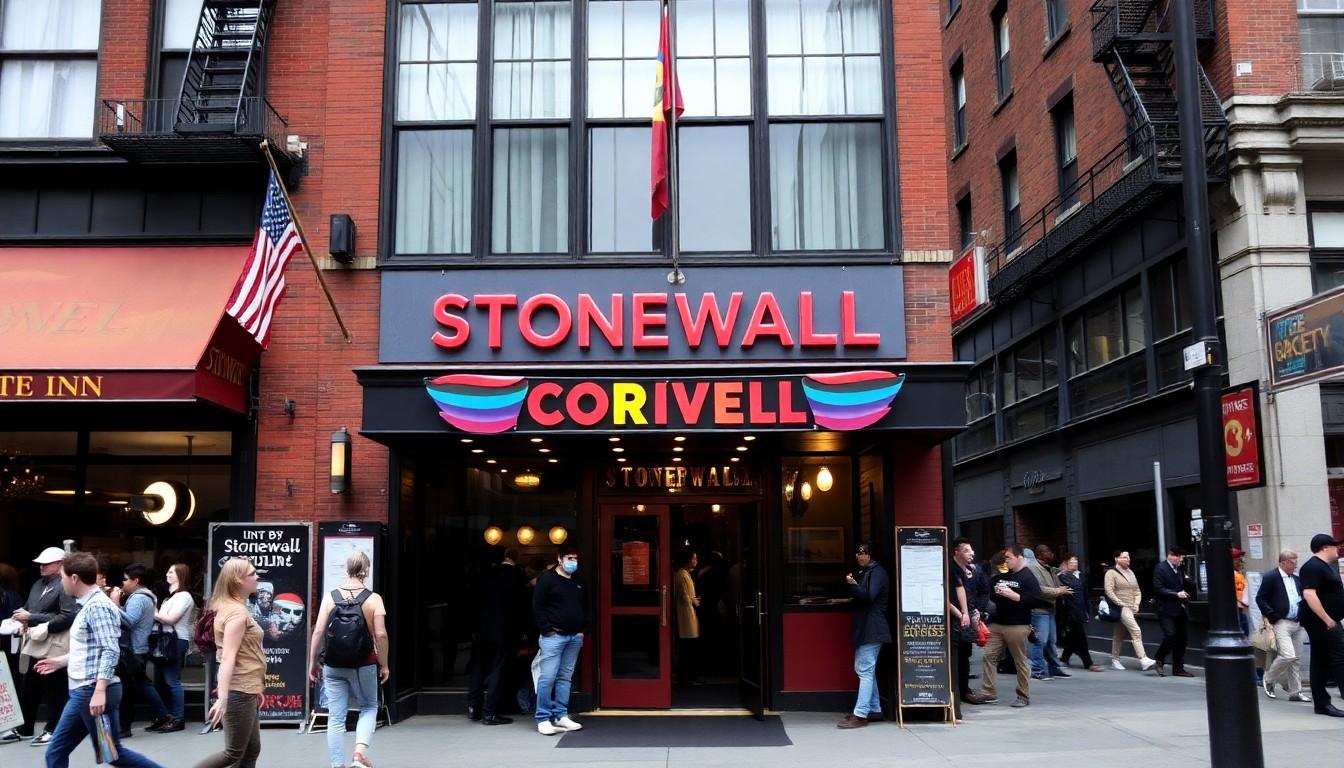
Notice how every few years the conversation around our community’s letters reignites; owners of the debate are often younger, louder, and online, while veterans stand by with stories that smell of march-day dust and victory cake , it's a conversation about who we are, who remembers our past, and whether another letter, like H for heterosexual, actually belongs.
- Historic roots: The word “gay” united early activists after Stonewall and made the movement visible and impossible to ignore.
- Evolution: Letters were added as groups organised , L, B, T, Q , creating a more inclusive but more complex acronym.
- Practicality: The “+” became a practical shorthand for identities the alphabet can’t neatly capture.
- Emotional note: Identity is personal and fluid; language should protect self-identification rather than police it.
- Tip: When discussing labels, prioritise respect and ask people how they prefer to be described.
A simple word that changed everything
The sharpest truth in this debate is also the simplest: the movement began with a single word that worked. According to historical accounts and community organisers, “gay” was the rallying cry after Stonewall because it was recognisable and defiant in equal measure. That texture , the smell of smoke on a banner, the cramped joy of a first Pride , still matters to those who lived it, and it’s worth asking them before we rewrite that bit of history.
Letters arrived with people, not committees
The alphabet grew as real people organised for real needs. When lesbians, bisexual and transgender people pushed for visibility, they were adding not just letters but political and social recognition. Reporting and cultural histories show that each addition reflected organising, campaigning, and a demand for equal treatment. So the acronym is less a tidy taxonomy and more a ledger of who fought and when.
Why the “+” quietly saved us from buying new books
Once the acronym ballooned, people got practical. The plus sign functions as a promise: we’re not ignoring anyone, we’re just recognising that identities don’t slot into neat boxes. Publications and advocacy groups adopted that shorthand because it’s flexible and less exclusionary than trying to enumerate every possibility. For readers, that’s helpful: it keeps language inclusive without getting mired in endless initialisms.
Do heterosexuals deserve an H? The surprising answer
Some argue that heterosexual people have been left out of the party, even though identity can be fluid and situational. But the historical purpose of the acronym wasn’t to list everyone who exists; it was to name those marginalised by laws, medicine and social stigma. Adding an H changes the frame: it suggests parity where there wasn’t, and it risks erasing the political urgency that birthed the original letters. In short, context matters , and so does intent.
How to talk about labels without sounding pedantic
If you want to be thoughtful in conversation, start by listening. Ask people how they identify, use their terms, and accept that labels might shift over time. For organisations, use “LGBTQ+” or another community-preferred variant as a baseline, and clarify inclusions when it matters , for instance in services or research. Language should make people visible, not gatekeep them.
A gentle historical lesson worth remembering
Before we debate the next letter, remember why the first one mattered: visibility. Organisers chose accessible language to be seen and to demand rights. That pragmatic, fierce love for being counted underpins the whole discussion now. So whether you’re keyboard-ready to propose a new initial or quietly proud of an old one, respect the history and the humans who lived it.
It's a small conversation with big feelings , and one worth having with curiosity and kindness.
Source Reference Map
Story idea inspired by: [1]
Sources by paragraph: