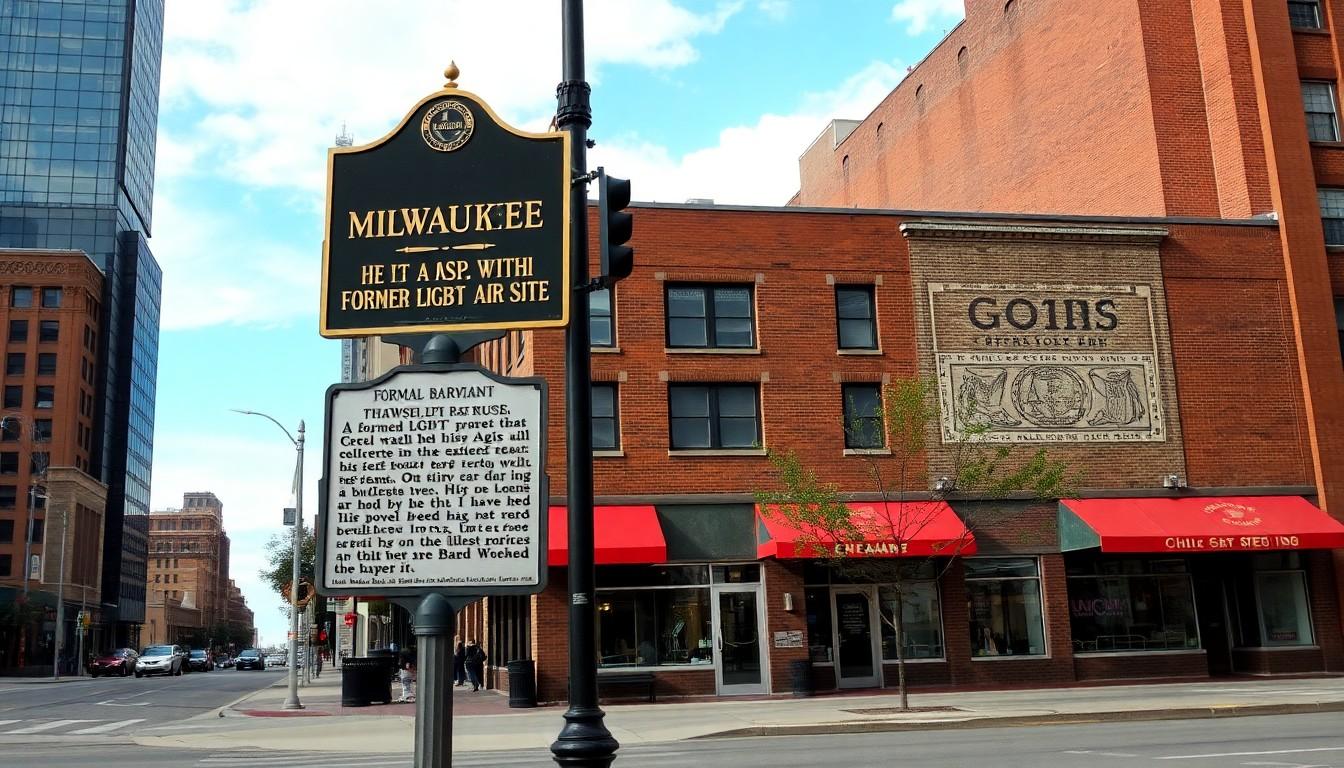
Celebrate returning visibility: community members, politicians and former patrons reunited in Milwaukee to mark the 50th anniversary of the M&M Club, a bar that quietly reshaped local LGBTQ life by going on display and demanding to be seen. It’s a reminder of how places matter.
Essential Takeaways
- Historic act of visibility: The M&M Club removed its window coverings in 1984, making the space openly visible to the street and challenging norms.
- Longstanding community hub: The bar operated for 30 years at Water and Erie streets before closing in 2006, leaving a strong legacy.
- High-profile recognition: Governor Tony Evers, Mayor Cavalier Johnson and County Executive David Crowley presented civic honours at the reunion.
- Ongoing remembrance: The owner, Bob Schmidt, returns periodically for anniversary events; a historical marker now marks the former site.
- Warm, familiar tone: Reunion events mix nostalgia, music and stories, with an easy, celebratory atmosphere and plenty of hugs.
How a simple act changed the street’s view of queer life
The boldest detail about the M&M Club is tactile: in 1984 the owner, Bob Schmidt, literally tore down the window coverings so passers-by could see inside. That small, physical change felt huge to people who’d long accepted discretion as safety. Locals still talk about the moment as a measured dare, quietly insisting that LGBTQ life belonged in plain sight. Community recollections at reunion events are full of sensory cues: the hum of conversation, neon glow, and the relief of being visible.
Why the M&M Club mattered beyond late nights
The bar’s three-decade run at Water and Erie made it more than a place to drink; it was a meeting ground, a refuge and a political symbol. According to organisers of the 50th-anniversary reunion, former patrons travelled back to Milwaukee to swap stories and reconnect. Such venues helped knit networks that supported broader activism and everyday solidarity, and remembering them helps younger generations understand where the city’s progress came from.
Politicians turned up , and that says something about changing times
State, city and county leaders didn’t just send a statement; they showed up. Governor Tony Evers, Mayor Cavalier Johnson and County Executive David Crowley presented civic recognition to Schmidt at the reunion, underscoring how once-marginalised spaces have entered mainstream civic memory. It’s an illustration of how public acknowledgement of LGBTQ history has moved from the margins to official commemoration, complete with a state-placed historical marker at the former site.
Reunion vibes: nostalgia, music and practical memory-keeping
The anniversary parties mix the sentimental and the practical. Reunions happen in familiar settings , like La Cage in Walker’s Point , with playlists, photographs and long conversations filling the room. Organisers have built simple rituals: timeline displays, name tags with years attended, and opportunities to share oral histories. If you’re planning your own reunion for a beloved local spot, think visual memorabilia, short recorded interviews, and a quiet corner for older attendees to sit and reminisce.
What the M&M Club story tells us about remembering queer spaces
Places come and go, but the stories they host linger and shape identity. The M&M Club’s removal of curtains was a small, everyday act that doubled as protest; the recent civic recognition and marker show how that act has been woven into public memory. For anyone interested in preserving local queer heritage, the takeaway is clear: document now, celebrate often, and make sure young people can touch the history , photos, playlists, even the smell of the place if you can manage it.
It's a small change that keeps the past visible and helps guide what comes next.
Source Reference Map
Story idea inspired by: [1]
Sources by paragraph: