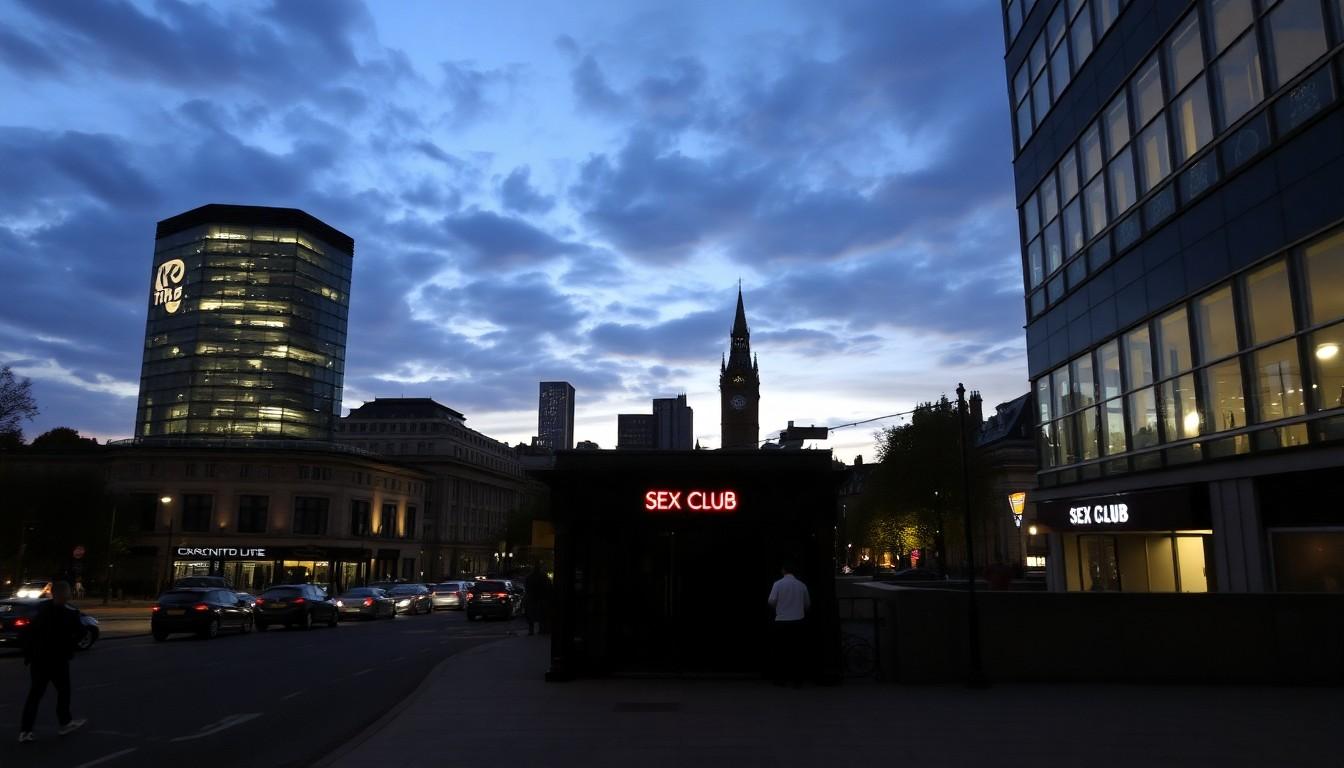
Notice how talking about sex clubs still raises eyebrows , but many gay men report real psychological and social benefits from visiting these venues, from feeling less judged to connecting in a body‑positive, sex‑positive space. Here’s what therapists and attendees say matters, and why it might be worth rethinking assumptions.
Essential Takeaways
- Safe space: Sex clubs can offer a setting where gay men feel free to be themselves, with low fear of discrimination and less need to "perform".
- Reduced shame: Many visitors report feeling legitimised in their desires and more comfortable with their bodies and sexuality.
- Less body‑shaming: Compared with mainstream gay bars, these venues often feel more egalitarian , age, shape, status and size matter less.
- Flexible engagement: People can socialise, play, or simply be present; sex isn’t always the expected outcome, and interactions can feel respectful.
- Broader community: For some, visiting is about queer belonging and a form of expansive love that sits outside conventional romantic norms.
Why therapists are talking about sex clubs , and why it matters
A London psychotherapist has been hearing from clients who say visiting sex clubs improved their sense of well‑being, and he’s shared those observations in Psychology Today. That might feel surprising if your image of these places comes from old stereotypes, but the accounts are vivid: visitors describe a surprising sense of relief, as if stepping into a warm, honest atmosphere. This matters because mental health for marginalised groups often hinges on access to spaces where they aren’t constantly explaining or softening themselves.
A counterbalance to minority stress
Minority stress , the chronic pressure many LGBTQ+ people experience from prejudice and exclusion , is a well‑established concept in psychology. According to recent commentary, sex venues can act as a pressure valve: they’re spaces where gay men can stop editing their behaviour and simply exist with others who share similar experiences. Practically, that can translate into lower anxiety during social interactions and a chance to practise intimacy without the extra load of stigma.
How shame gets swapped for legitimacy
Shame around sexual desire isn’t rare, even within queer communities. But visitors often describe a change in tone at sex clubs: desires are treated as normal, not as something to apologise for. That shift , from stealth to legitimacy , can boost self‑acceptance. If you’re considering trying a venue, start slow: observe, ask staff about house rules, and remember consent is central. Those small steps help turn curiosity into a confident, positive experience.
Why these spaces feel less body‑shaming than bars
Mainstream gay nightlife often prizes a narrow look: gym‑toned bodies, fashion and status cues dominate. Many accounts suggest sex clubs, by contrast, are more inclusive; people of different ages and shapes report feeling “good enough.” That doesn’t mean every corner is instantly welcoming , norms vary by venue , but the social script is different, and that can be liberating for men who’ve felt excluded elsewhere.
Not always about sex , it’s about connection
One striking theme is that not everyone attends for sex. Some men simply want to sit at a naked bar, chat, and feel seen without being judged. That kind of low‑pressure connection can reduce loneliness and remind people they belong to a community. If intimacy feels intimidating in conventional settings, these venues can offer an alternative way to practice being present with others.
Queer love, spirituality and expanded intimacy
For some attendees, sex clubs are part of a broader reimagining of love and connection. Rather than seeing love as only romantic partnership, visitors speak about love through sexuality, communal belonging, and touch , a kind of queer spirituality. Therapists note this can be deeply meaningful, especially when it supports people in integrating their sexuality with their wider sense of self.
Closing line It’s worth listening , these venues aren’t one thing for everyone, but for many they offer a practical, human way to feel less judged and more connected.
Source Reference Map
Story idea inspired by: [1]
Sources by paragraph: