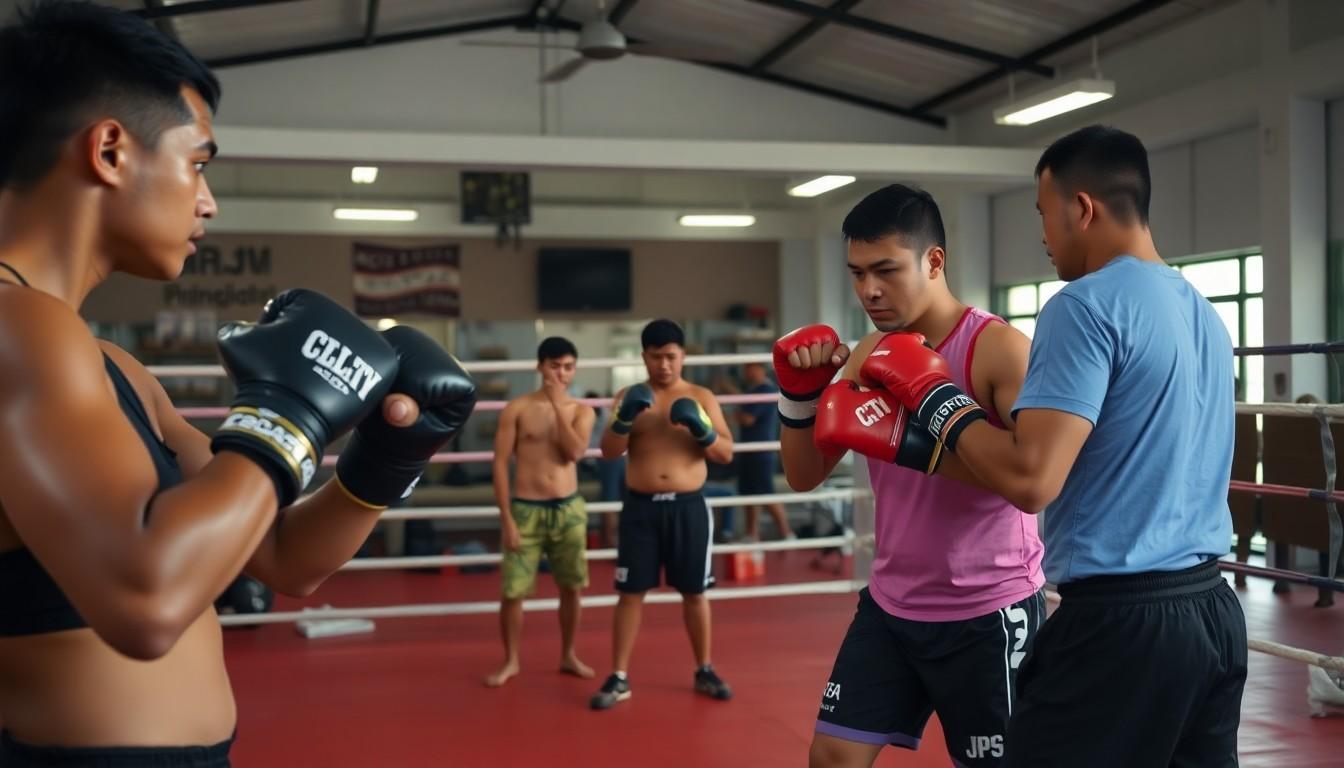
Shoppers and fighters alike are noticing a new wave of queer-led Muay Thai events across the UK, where mixed-gender bouts, mindful rules and community care are making the sport more accessible and safer for marginalised genders. These interclubs and gyms matter because they dismantle barriers, build confidence and prove inclusivity is practical, not performative.
Essential Takeaways
- Inclusive matching: Fighters are paired by weight and experience, not gender, making bouts fair and welcoming.
- Safety-first vibe: Events use briefings, consent checks and invite-only promotion to protect attendees and maintain trust.
- Representation grows participation: Queer-led gyms act as gateways, helping members move into mainstream clubs once they’ve gained confidence.
- Practical accessibility: Some collectives address financial barriers so cost doesn’t shut people out.
- Cultural shift: These spaces challenge masculine norms in combat sports and demonstrate how simple changes improve wellbeing for everyone.
Why these queer interclubs feel different , and why that matters
Step into one of these events and you’ll notice a quieter, respectful hum: people checking pronouns, opting out of photos, and listening to a clear code of conduct. That attention to detail isn’t decorative , it’s the core reason people turn up. According to founders and fighters involved in recent UK interclubs, these measures create the psychological safety many queer people can’t take for granted in mainstream gyms. The model is simple: match by weight and experience, not by sex or gender, and run controlled, non-competitive bouts that let newcomers gain ring time without the pressure. That accessibility is the whole point , it’s how someone terrified of being mistreated can try a sport and fall in love with it.
How queer gyms act as gateways to the wider Muay Thai scene
These community-led clubs don’t aim to isolate; they often feed members into other gyms once people feel confident. Fighters report finding friends, coaches and the skills they need within queer spaces, then using that foundation to explore mainstream training. That pathway matters because representation and trust lower the barrier to continuing the sport. Think of queer gyms as training wheels: you learn the basics, build networks and then decide where you want to go next. For many, knowing there’s a supportive home to return to makes the risk of trying something new worth it.
Practical measures that make events safer and more welcoming
Organisers are pragmatic: events begin with briefings on rules, reminders about pronouns, and options to opt out of being photographed. Promotion is frequently limited to trusted networks to avoid unwanted attention, and sign-up forms let people state boundaries , for example, opting not to fight cis men. These aren’t radical ideas; they’re commonsense steps that reduce harm and increase participation. If your gym wants to follow, start small: set clear codes of conduct, use gender-neutral language, offer opt-outs and consider subsidised places for those on tight budgets. You don’t have to reinvent the sport to be more inclusive.
The evidence is clear: sport can be unsafe for queer people , and that’s a wellbeing issue
Surveys and research show many trans and non-binary people face discrimination or harassment in sport, and that fear keeps people away. That makes inclusive spaces not just a nicety but a health intervention: exercise and community support boost mental wellbeing and help people affirm their identities. Community founders frame their work as wellbeing-first , ensuring people can train without risking abuse is a basic public-health goal. So inclusion isn’t a “soft” add-on; it’s essential if you want more people to benefit from the sport.
Looking beyond the UK , queer Muay Thai communities in Thailand and the US
Queer and trans fighters have found pockets of solidarity abroad too. Fighters who travelled to Thailand or competed in the US describe how different scenes can range from deeply welcoming to still lacking representation. Those international encounters show that queer-led events can inspire cross-border networks and challenge local norms, but they also reveal how much more work remains to normalise LGBTQ+ participation globally. The takeaway is hopeful: where communities organise, progress follows. Fighters who connect internationally often return with fresh ideas and renewed energy to make their home scenes better.
Closing line It’s a small set of changes , thoughtful matching, clear rules, trusted networks , but together they make Muay Thai a place where more people can train, compete and belong.
Source Reference Map
Story idea inspired by: [1]
Sources by paragraph: