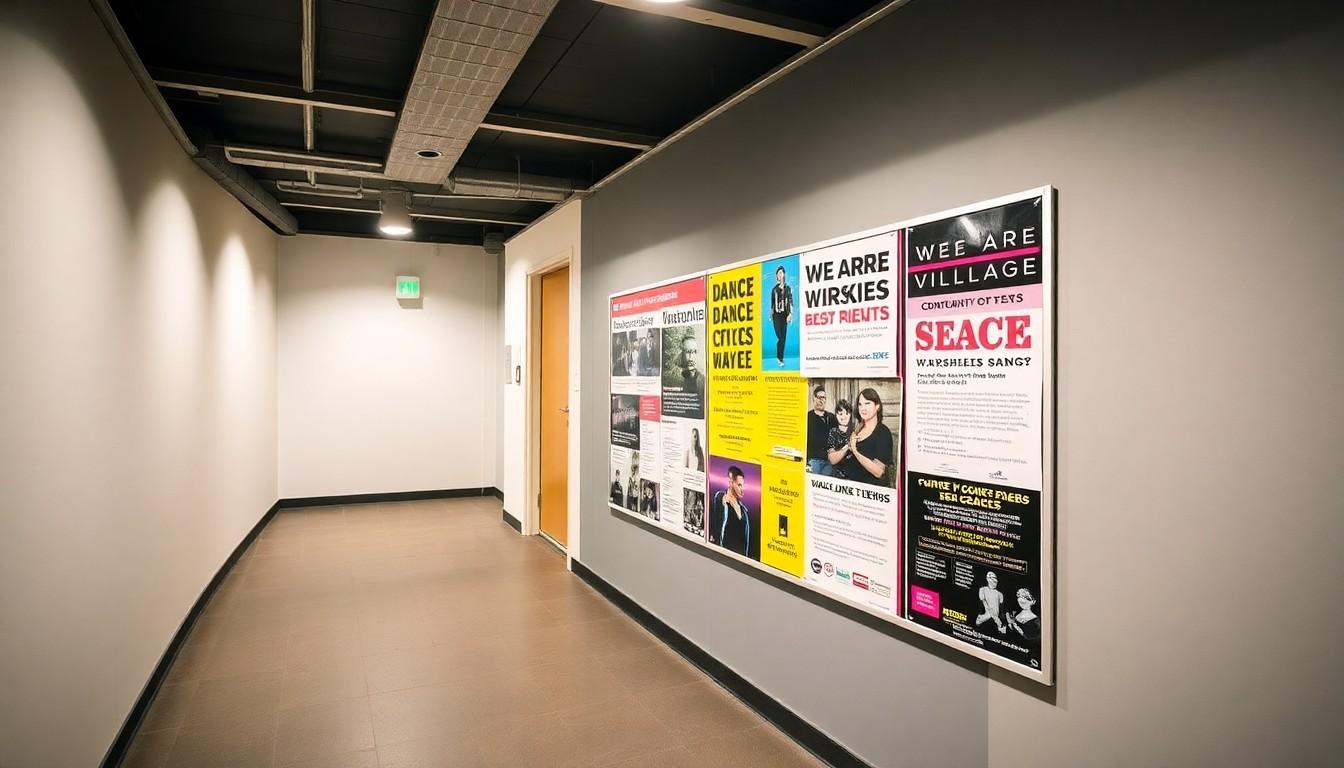
Shoppers and locals alike are discovering Queer Bridges at We Are Village , a growing programme of dance, language cafés and creative meet-ups in Berlin that offers queer migrants practical skills, social connection and a genuinely safe space to heal and belong.
Essential Takeaways
- Community-first format: Queer Bridges mixes dance, language cafés and creative workshops to build lasting social ties in a relaxed, welcoming setting.
- Cultural continuity: Traditional dances, like Kurdish halay, are taught as living practices that reconnect participants with family histories and memory.
- Safe, flexible space: We Are Village provides an open, low-pressure atmosphere where attendees can join, step back or leave as they need.
- Practical variety: Sessions include movement, discussions and networking , useful whether you want to learn steps, practise language, or meet other queer migrants.
- Emotional impact: Participants report feelings of healing, reduced loneliness and a new sense of belonging after even a few visits.
How a dance circle became a lifeline
The room is a lived-in warmth: music fills the air, hands clasp, and steps wobble into rhythm. That's the scene many find at Queer Bridges sessions at We Are Village in Berlin. According to the centre's programme pages, the project intentionally blends movement and conversation so people can arrive for one thing and leave with a dozen new connections. For anyone who's felt awkward at cultural events, this non-pressured vibe , part workshop, part informal get-together , is the attraction.
The story behind the project is as much about people as programming. The founder and lead artists bring migrant and queer experiences into the work, so the sessions aren't just classes but culturally mindful gatherings. That framing matters in a city as diverse as Berlin, where finding spaces that accept both migration histories and queer identities isn't always straightforward.
Why traditional dance is more than exercise
When a Kurdish halay is taught, it's not just steps on a floor; it's memory, resistance and storytelling. Facilitators who learned from older family members pass on movements that carry generational meaning, and participants often describe the dances as a way to reconnect with roots. This is echoed in the project descriptions that show dance as cultural practice, not mere fitness class.
If you're wondering whether such sessions suit you, think of them like a gentle reintroduction: you can follow, laugh when you miss a beat, and learn at the pace of the group. For people raised away from their ancestral cultures, it's a practical route back to heritage.
A programme built around safety and flexibility
We Are Village advertises Queer Bridges as a space where people can feel safe and also leave if they need to , an important detail for those with complicated family or migration histories. Attendees repeatedly emphasise that the ability to come and go without pressure makes the space feel trustworthy.
That practical flexibility extends to content too. Sessions rotate between movement, language practice and creativity, so you can pick what helps you most. If you're choosing a class, look for listings that match your interest , whether it's contact improvisation, language cafés or themed dance nights.
Small details that make a big difference
It's the small rituals that stick: the break for water and conversation, a shared birthday cake at the end of a session, hugging a new acquaintance at the door. Those moments turn an hour of activity into an ongoing network. For many, the centre becomes a repeat destination akin to a "little church" , a phrase one participant used to describe the comfort of returning faces and familiar routines.
For newcomers, a practical tip: arrive early, stay for the post-class chat, and exchange contacts. These simple steps are how people turn single visits into friendships and support systems.
What to expect and how to get involved
Queer Bridges posts its weekly programme through We Are Village’s event listings, with descriptive pages for different weeks and workshop types. If you're curious, check the event calendar, book a session that feels low-pressure, and bring nothing but comfortable shoes and an open mind. Even if your background isn't the focus of the dance, organisers encourage cross-cultural participation , that mix is part of the point.
Looking ahead, projects like this are a model for how cultural centres can support queer migrants: practical, social and psychologically nourishing all at once.
It's a small shift , turning up, stepping in, staying for a slice of cake , but it can change how you meet people and how you feel at home.
Source Reference Map
Story idea inspired by: [1]
Sources by paragraph: