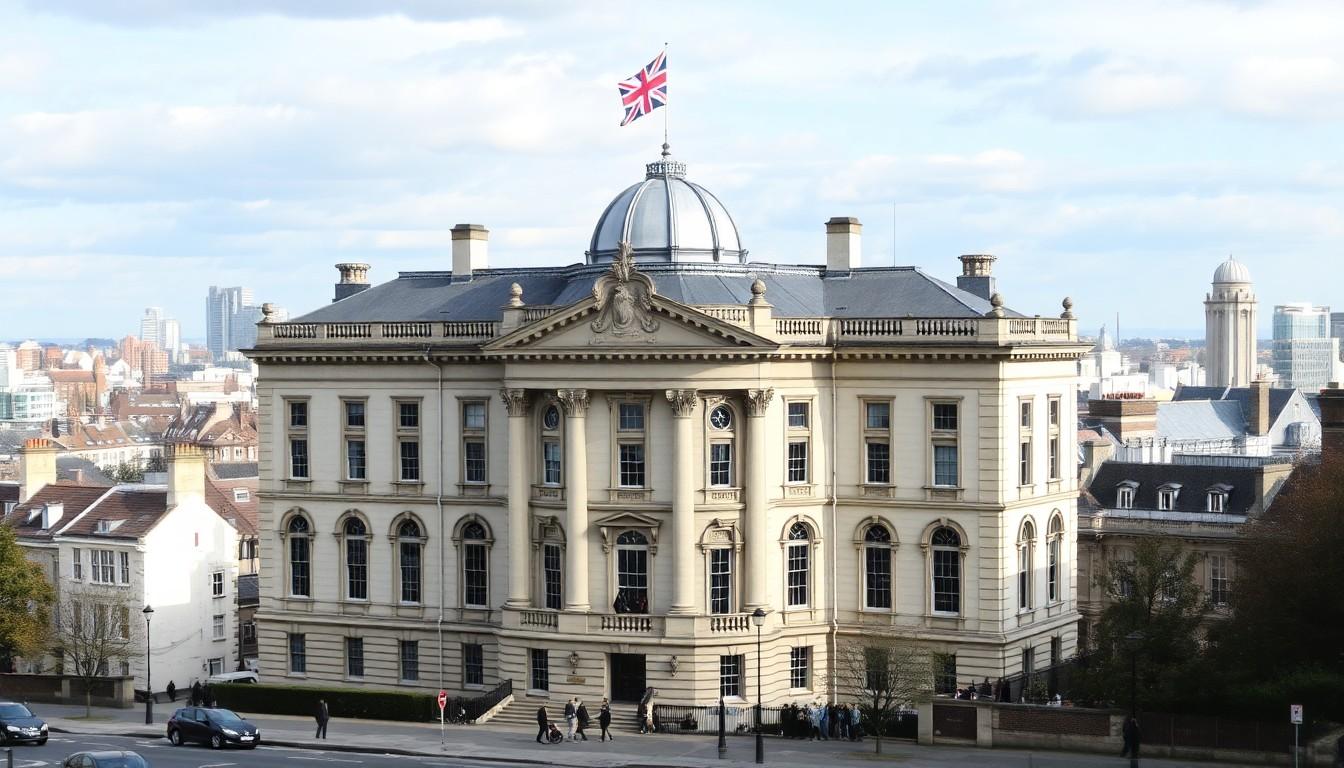
Shoppers of justice are watching as Trinidadian activist Jason Jones takes an 11-year legal fight to the Privy Council in London, seeking to finally wipe out colonial-era sodomy laws; it matters because the outcome could ripple across Caribbean courts and change everyday lives for LGBTQ+ people.
Essential takeaways
- Historic hearing: Jason Jones’s appeal at the Privy Council is the first time that court may rule on decriminalising same-sex intimacy affecting a former colony.
- Colonial legacy: The contested laws trace back to Britain’s buggery statutes and were woven into Trinidad’s legal system via savings clauses after independence.
- Legal rollercoaster: A 2018 high court win for Jones was overturned on appeal in 2025, recriminalising consensual anal sex between men.
- Broad support and opposition: Several Caribbean LGBTQ+ groups and Trinidad’s Equal Opportunity Commission back Jones, while evangelical churches and conservative voices oppose change.
- Decision timing: The panel’s judgment is expected in September, and the outcome could influence similar challenges across the region.
Why this Privy Council hearing feels like a sequel to history
This is one of those stories that smells faintly of the past , a colonial law written centuries ago, now argued under a London gavel. According to reporting, Jones’s case asks whether laws rooted in Britain’s 16th-century buggery statutes can survive in a modern independent constitution. The sensory detail here is the courtroom hush you can almost hear: decades of legal argument compressed into a few days in July. For many Caribbean LGBTQ+ people, this is more than precedent; it’s personal.
The backstory matters. Jones first won in Trinidad’s high court in 2018, a ruling that felt like a long-overdue thaw. But that victory was short-lived: an appeal court reversed it, sending the case up to the Privy Council. The move reflects how many former colonies still carry legal fossils that only a few judges can prune.
How the “savings clause” became the legal battleground
At the heart of the dispute is the savings clause – a legal device used at independence to preserve pre-existing laws. Jones’s team argues that Trinidad’s 1986 Sexual Offences Act wasn’t a simple re-enactment but a substantive reshaping, so the old protections should not shelter the criminalising provisions. That’s a neat legal pivot and a clever way to get at the heart of colonial continuity.
Legal experts point out that if the Privy Council accepts that the 1986 act replaced earlier laws in material ways, then the preserved colonial offences lose their armour. Practically, that means judges are wrestling with technical statutory interpretation rather than moral argument, although the human stakes are obvious.
Who’s lined up on each side , and why it matters socially
This case isn’t just lawyers and clauses; it’s a social mirror. Jones has gained regional backing from six Caribbean LGBTQ+ organisations and the Equal Opportunity Commission in Trinidad, signalling institutional support for decriminalisation. On the other side, the Trinidad and Tobago Council of Evangelical Churches and other conservative voices argue that social and religious values should weigh in.
There’s an irony here that commentators have noted: the campaign to remove laws imposed by Britain now requires asking judges in London to finish the job. That twist underlines the incomplete nature of decolonisation in law and daily life.
What a ruling for Jones would mean across the Caribbean
If the Privy Council rules for Jones, the practical impact could be immediate and symbolic. Courts in other jurisdictions that share a similar legal inheritance may feel emboldened to mount challenges, and governments might face renewed pressure to legislate reforms rather than litigate them. For people who’ve lived with fear, fines or fragmented lives, a judgment could reduce stigma and improve access to health, housing and employment.
But change won’t be instant. Religious opposition and political caution mean social shifts will still require campaigning, education and time. Even so, a legal victory would be a powerful lever for activists.
What happens next , penalties, precedent and people
The Privy Council panel includes five senior judges and will hand down a decision , expected in September , that could close a long legal chapter for Jones. He’s signalled he’ll step back from frontline advocacy and focus on mentoring a new generation of campaigners. That’s a human beat worth noting: after years of isolation and sacrifice, Jones plans to turn his experience into training, which matters for movement resilience.
Whatever the outcome, the case exposes how colonial-era laws continue to shape lives and how legal strategy, community organising and personal courage mingle in long fights for equality.
It's a small legal hinge that could swing a lot of doors open.
Source Reference Map
Story idea inspired by: [1]
Sources by paragraph: