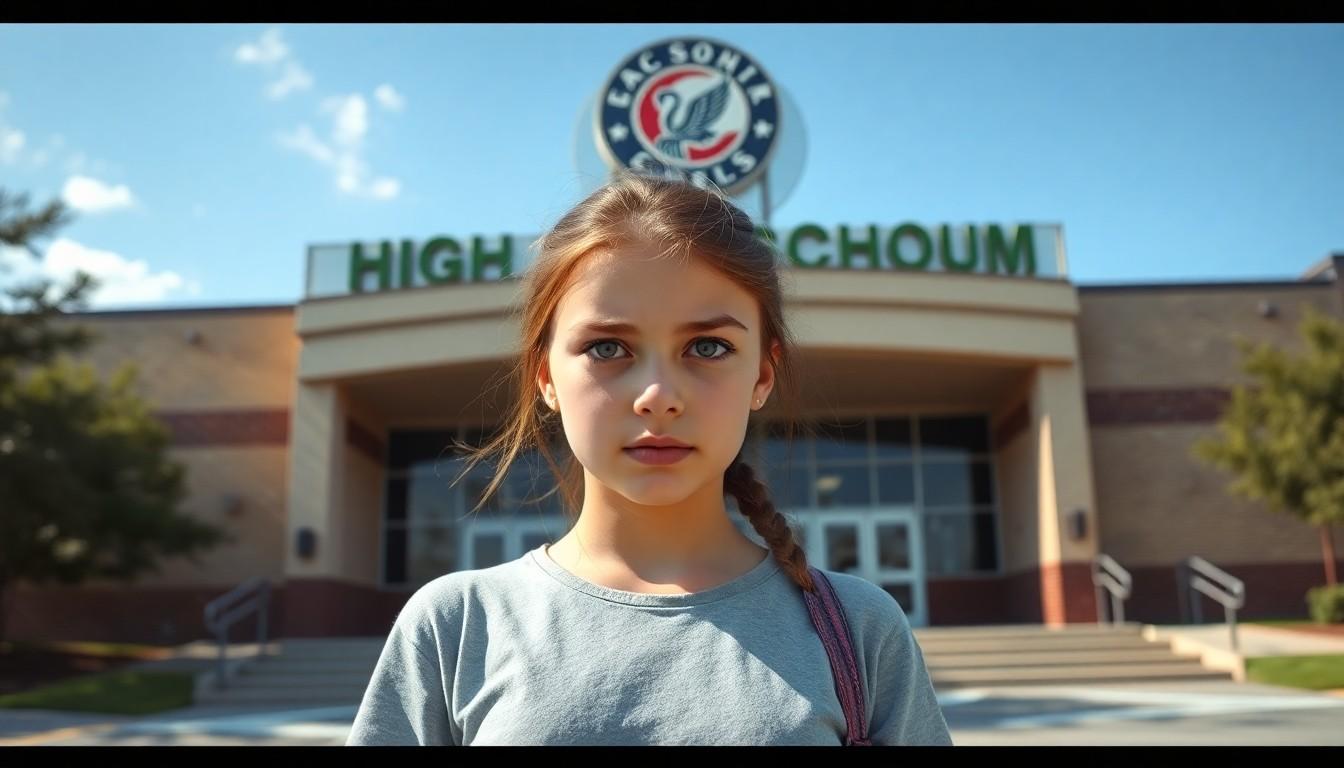
Shoppers are turning to stories of solidarity , a gay activist who lost a 2000 Supreme Court case has written a moving open letter to the 16‑year‑old trans plaintiff at the centre of the Court’s recent ruling on trans girls in school sports, offering perspective, comfort and a long view on social change.
Essential Takeaways
- Historic echo: A plaintiff who lost a landmark 2000 Supreme Court case contacted the teen, connecting two generational fights over inclusion.
- Court decision: The Supreme Court ruled schools may maintain women’s and girls’ sports for “biological females,” allowing state and school bans to stand.
- Human detail: The teen, who won a state shot‑put title while keeping a 4.0 GPA, has been fighting exclusion since she was 11.
- Emotional tone: The letter mixes consolation , “it hurts” , with encouragement and a patient belief that change eventually arrives.
- Practical fallout: The ruling doesn’t force nationwide bans, but it clears the way for school‑level exclusions in many states.
A letter that reads like a hand on the shoulder
The opening line of the activist’s message is plain and human: sympathy comes fast, loss lingers. That emotional candour is striking against the legal backdrop, and it adds a soft, human pulse to a very hard decision. According to reports, he reminded the teen that the world kept moving even after his own defeat, and that the hurt doesn’t mean the fight was wasted. This isn’t abstract consolation , it’s lived experience. The writer lost a high‑profile case in 2000 challenging an exclusionary policy, and his reflections show how personal setbacks can feed long arcs of change. For readers, it’s a reminder that legal defeats can still seed cultural shifts.
What the Supreme Court actually decided, in plain terms
On June 30 the Court said Title IX allows schools to keep women’s and girls’ sports for “biological females,” and rejected an Equal Protection claim against state trans sports bans. That’s a legal green light for school‑level and state restrictions in places that already have or may pass bans. Major outlets and court documents show the decision consolidated two cases, including the West Virginia case brought on behalf of Becky Pepper‑Jackson, a teenager who’d been excluded from middle‑school cross country. But crucially, the ruling did not declare that Title IX requires schools to ban trans athletes; it said schools could. That nuance matters for advocates and districts weighing local policy and for families navigating what happens next.
The plaintiff at the centre: athlete, student, plaintiff
Reports highlight a striking mix of normal teen life and national symbolism: she won a state shot‑put title, kept top grades and became the named plaintiff in a lengthy legal fight. Opponents seized on sporting outcomes as proof of unfairness, even though her results varied by event, and she didn’t dominate every competition. Her experience shows how young people are pulled into big debates with intense scrutiny. The activist’s letter praises her five years of competing instead of quietly disappearing, and frames those years as part of the record that will matter in the long sweep of public opinion.
Why the older case matters , history as a roadmap
The letter links the teen’s struggle to a past case where a gay man lost to the Boy Scouts at the Supreme Court in 2000. He points out how social change eventually arrived: the Scouts began admitting gay youth, later allowed gay leaders, and then broadened gender policies over a decade. That sequence is instructive , change often arrives outside courtrooms and via cultural shifts that follow sustained visibility and organising. Industry observers and legal analysts note that litigation and grassroots advocacy work in tandem. The lesson for readers is pragmatic: setbacks can reshape strategy, and patience plus persistence can move institutions.
What this means for families, schools and local policy
Practically, the decision hands power back to states and school boards, so outcomes will vary across the country. Some states already have bans; others may now feel emboldened to adopt restrictions. Parents and school leaders should expect a patchwork of policies and prepare for local debates. If you’re a family or coach trying to navigate this, focus on documentation, local rules and safe channels for dialogue. Legal groups and advocacy organisations will likely mount challenges where bans are enforced, while schools that want inclusion may look for inclusive policy language that fits within the ruling’s bounds.
It's a small change that can make every future challenge steadier.
Source Reference Map
Story idea inspired by: [1]
Sources by paragraph: