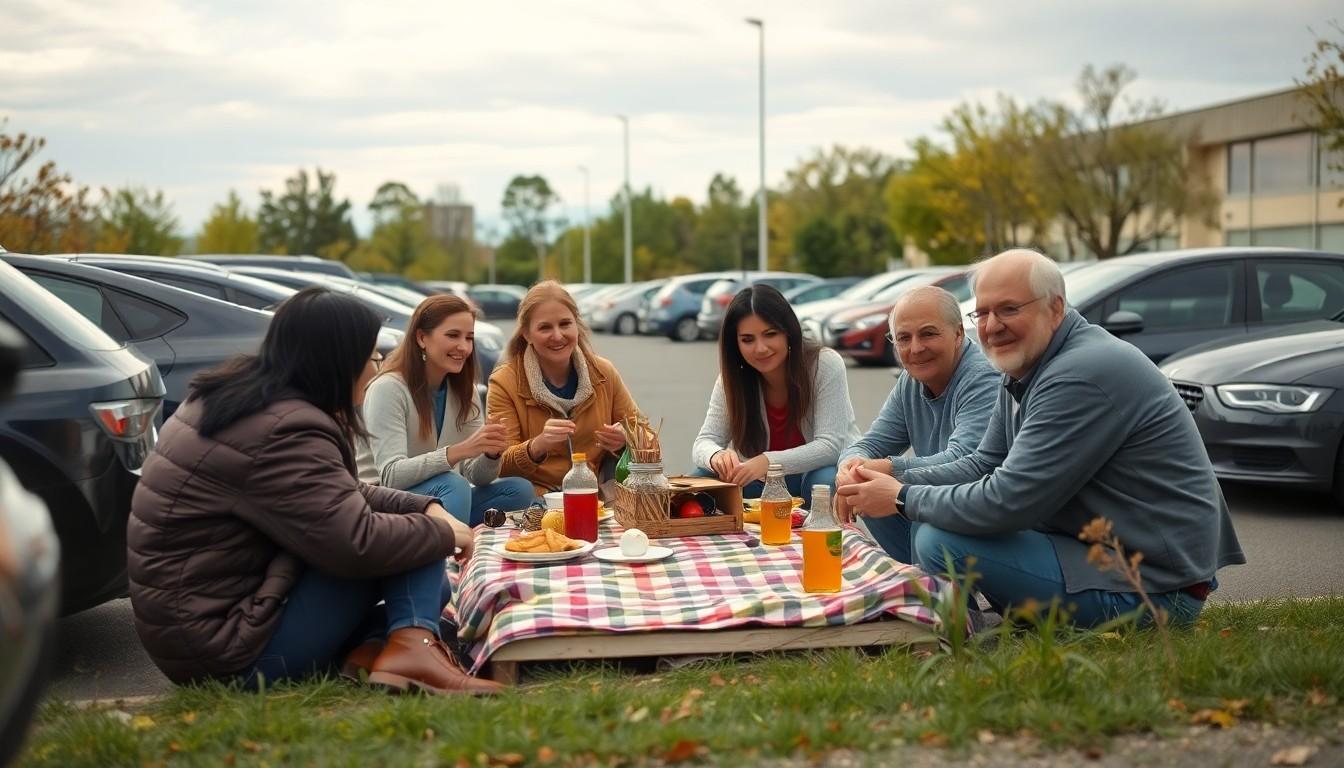
Celebrate with us: Second Step staff turned a Pennywell Road car park into a colourful Pride Picnic, bringing colleagues, community and conversation together to mark Pride Month and spotlight local mental health support and outreach across the South West.
Essential takeaways
- Community-led celebration: Staff organised a Pride Picnic in the Pennywell Road car park to celebrate LGBTQIA+ inclusion and diversity.
- Personal reflection: A Bank Staff Administration Assistant shared a heartfelt view that Pride is both protest and party, and a way to reclaim identity.
- Outreach in action: Second Step will have a stall at Bristol Pride to meet people, celebrate and share mental health services.
- Visible solidarity: Events like this help normalise queer presence in everyday spaces , think bright flags, friendly stalls, and the hum of community.
A car park turned festival: small space, big feeling
There’s something disarming about staff spilling out into a work car park and turning tarmac into a place of colour and conversation. The Pennywell Road picnic was low-key but vivid: music, rainbow bunting and people swapping stories, which made the whole thing feel both intimate and joyful. According to community events reporting this month, smaller local Pride moments are becoming more common as organisations look for meaningful, accessible ways to mark the season.
Community groups say these pop-up moments are powerful because they make Pride part of everyday life rather than a one-off spectacle. If you’re planning something similar, bring a few chairs, easy-to-share snacks and a speaker , the details that make people linger.
Why staff reflections matter: Pride as protest and celebration
One of the event speakers framed Pride as many things at once: protest, party, commemoration and transformation. That argument has deep roots , historical overviews note Pride grew from the Stonewall protests and has always carried both political and celebratory energy. Hearing this from a colleague makes the history feel immediate, not distant, and reminds everyone why workplaces that mark Pride can mean more than a token banner.
For organisations thinking about their own events, balance matters. Mix learning and remembrance with music and social time so people can both reflect and relax.
Turning celebration into outreach: the Bristol Pride stall
Second Step plans to take the conversation further with a stall at Bristol Pride, aiming to share information about mental health support across the South West. Public-facing stalls are useful because they reach people who might not otherwise search for help: friendly faces, leaflets, and simple signposting can reduce friction and stigma. AARP-style event listings and local media coverage have shown how outreach at festivals can connect services to new audiences quickly.
If you’re running a stall, focus on clarity: a bold sign, a concise leaflet, and one clear call to action , whether that’s a helpline number, drop-in times, or a QR code.
Small gestures, big impact: forging community links
The picnic also highlighted the connective tissue of Pride , those stickers on lampposts, the local radio shout-outs, the sports and social groups that pop up around the festival season. That kind of civic clutter is what makes Pride feel like it belongs to the whole city, not just the main parade. Coverage of Pride across outlets this year underscores a trend toward diverse, local programming that boosts visibility and belonging.
Workplaces can amplify that by inviting local groups, sharing resources internally, and encouraging staff to volunteer or attend public events.
Why this matters for mental health and inclusion
Making Pride visible in everyday settings sends a simple message: you’re welcome here. For people struggling with isolation, even a short, upbeat event can be a lifeline. Mental health organisations emphasise that visibility and accessibility , from pop-up picnics to festival stalls , lower barriers to support. The real win is when celebration links directly to services and sustained support, not just a single day of flags.
If you want to support someone, listening and pointing them towards local resources is often the most practical help you can offer.
It's a small change that can make every celebration feel a bit safer and more real.
Source Reference Map
Story idea inspired by: [1]
Sources by paragraph: