Shoppers, culture-seekers and nightlife lovers are rediscovering Milwaukee’s lively queer scene, where art, sports and community services combine to make year-round Pride easy to find. From museums and bookstores to legacy bars and inclusive festivals, here’s what makes Milwaukee a thriving, affordable queer metropolis.
Essential Takeaways
- Official recognition: Milwaukee earned a 100% Municipal Equality Index score and is widely rated as an LGBTQ-friendly, affordable city.
- Cultural depth: The Milwaukee Art Museum and local galleries regularly feature queer artists and exhibitions, offering a rich arts scene.
- Community hubs: The LGBTQ Community Center and Diverse and Resilient run essential programmes for youth, seniors and trans health.
- Active social life: Longstanding bars, newer inclusive venues, sports leagues and drag nights keep the calendar full and social life buzzing.
- Accessible activities: From bookshops and theatre to softball leagues and Pride nights at pro sports, there’s something for every interest and pace.
A civic score that actually matters , and you can feel it
Milwaukee’s 100% Municipal Equality Index score isn’t just a headline; it shapes everyday life, from policies to public programming, so queer residents and allies notice the difference. City press releases and local groups point to steady municipal support that underpins services, events and protections. That civic backing makes it easier for organisations to plan year-round offerings, and for newcomers to feel welcome sooner rather than later.
Museums and galleries: quiet, colourful places of belonging
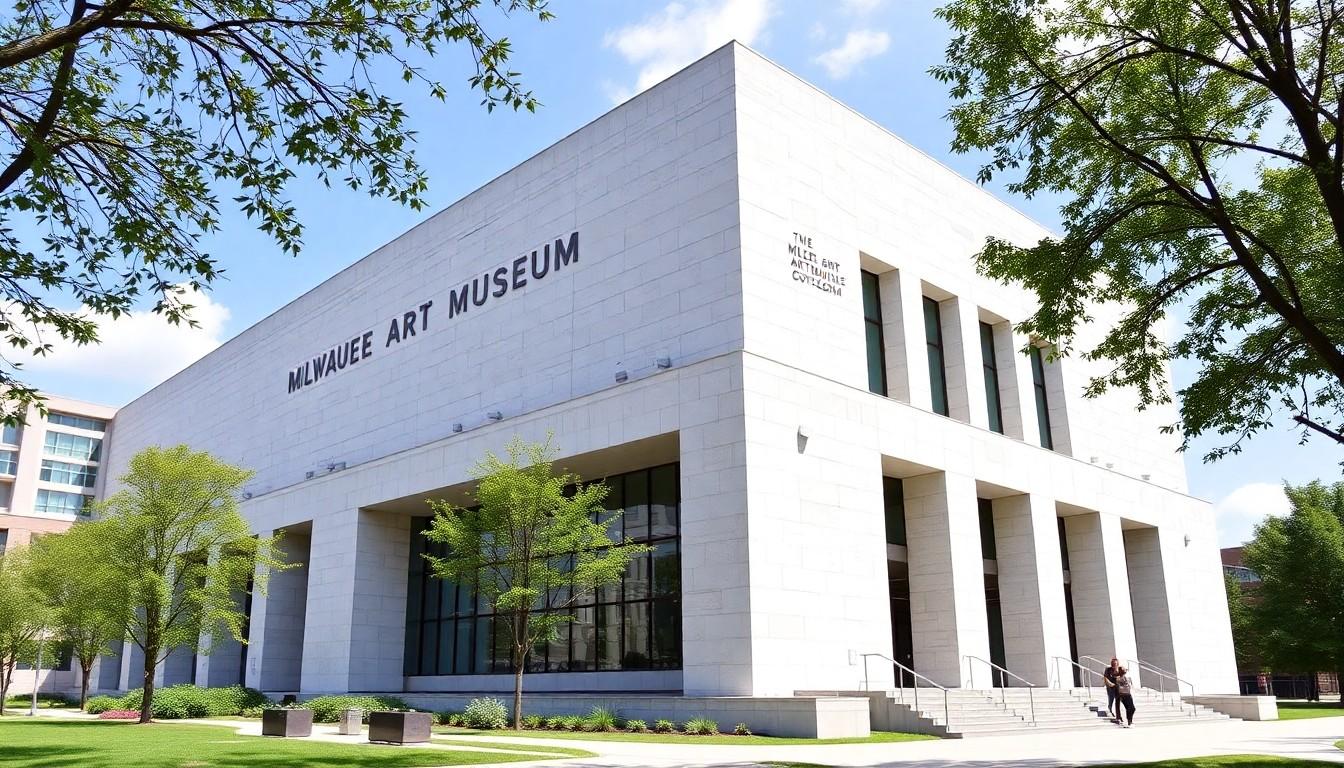
Walk into the Milwaukee Art Museum and you’ll spot work by artists whose lives and legacies speak directly to queer history and identity. Special exhibitions and rotating displays mean there’s almost always something that resonates, whether it’s portraiture, modernism or surprising local voices. Independent galleries and community-run spaces complement the big museum, showcasing emerging queer artists and hosting lively openings that feel like neighbourhood parties.
Bookshops, reading groups and the romance district
Bookstores have always been cultural anchors for queer communities, and Milwaukee’s indie shops now carry that torch. You’ll find focused events, author talks and book clubs that pull people in and keep conversations going. A pair of woman-owned romance shops anchor a cosy “Romance District” on North Avenue, offering niche picks and friendly staff , perfect for anyone looking for comfort reads, queer romance recommendations or a new club to join.
Bars, drag nights and a reinvented nightlife
The bar scene has evolved from a dense strip to a more dispersed, resilient mix of legacy venues and inclusive newcomers. You can still find longstanding haunts where regulars swap stories and newcomers are quickly welcomed, alongside queer-friendly bars that host drag bingo, trivia and themed nights. That blend means whether you want a low-key drink, a raucous karaoke evening or a leather-club meet-up, there’s a spot for it , and the calendar is surprisingly full.
Community services, sports and social clubs that sustain
Organisations like Diverse and Resilient and the LGBTQ Community Center keep programming consistent: health resources, affinity groups and youth support are available throughout the year. Social clubs and sports leagues , from a five-decade-strong softball league to rugby and volleyball teams , create steady ways to connect beyond bars and events. Those options are huge for building friendships that last well past Pride weekend.
Why affordability and accessibility make a difference
Queer life benefits when living costs and community resources align. Recognition as an affordable queer metropolis means people can audition new neighbourhoods, try creative careers, or join arts organisations without feeling priced out. That accessibility helps keep scenes diverse across age, income and interest , and it makes Milwaukee feel like a place where you can settle in and find your people.
It's a small change that can make every connection feel like home.
Source Reference Map
Story idea inspired by: [1]
Sources by paragraph: