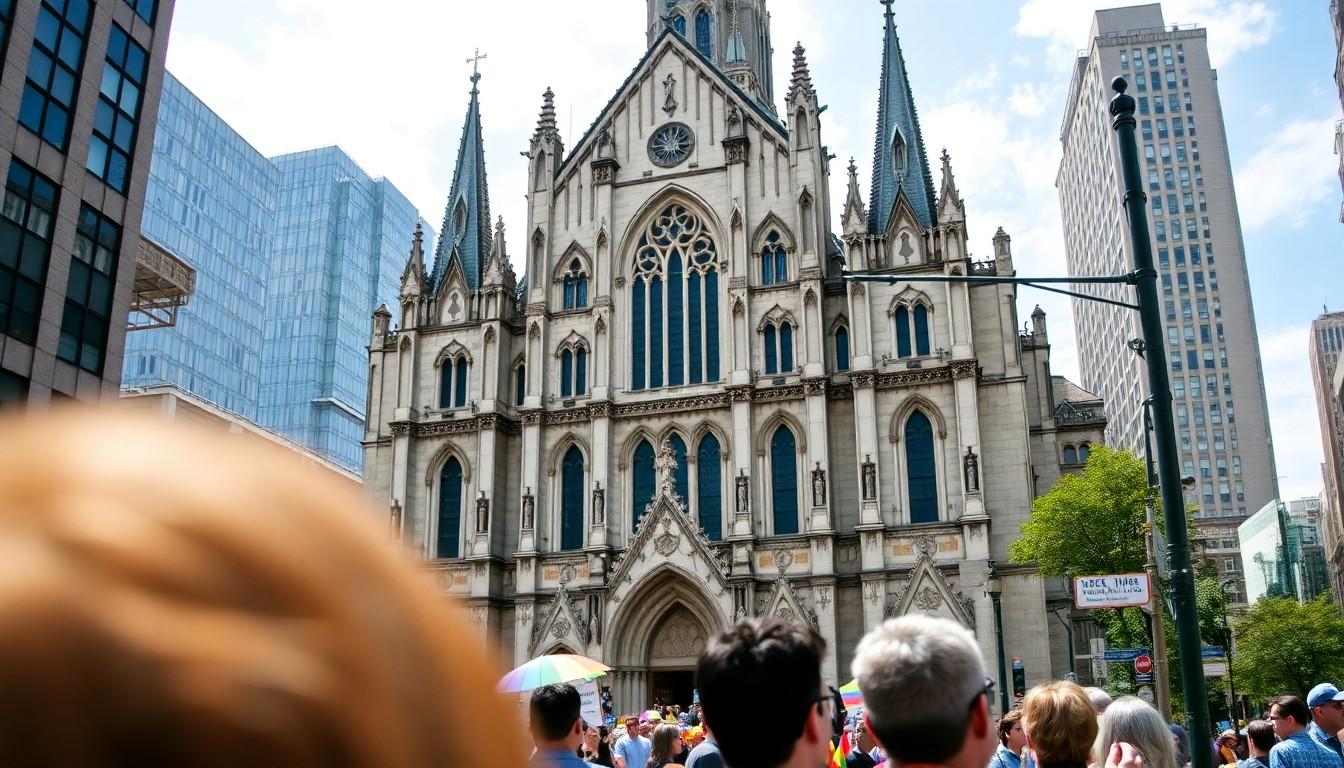
Shoppers for spiritual clarity are watching recent Pride-linked liturgies closely, as churchgoers, clergy and communities debate how to balance welcome with conviction; this matters because how a church frames identity shapes pastoral care, evangelism and who feels truly at home in worship.
Essential Takeaways
- What happened: A high-profile Mass near Stonewall blended Eucharist with Pride symbolism, prompting debate about church boundaries and identity.
- Why it matters: When liturgy seems to affirm cultural identities in tension with traditional teaching, parishioners can leave confused about doctrine and discipleship.
- How it felt: Observers described the service as warmly inclusive yet symbolically charged, with a strong communal, celebratory atmosphere.
- Practical response: Churches can offer clear teaching alongside pastoral welcome, distinguish hospitality from doctrinal endorsement.
- Look ahead: Expect more local debates as Pride events and historical sites continue to intersect with public worship.
What the Stonewall Mass revealed about symbols and sacrament
The Mass celebrated close to the Stonewall Inn brought an unusually vivid mix of rainbow flags and Eucharistic rites, creating a scene that felt both celebratory and charged. Reports say organisers intentionally linked the liturgy to Pride narratives, and many attendees read that as a sign the church was endorsing the movement. According to coverage in national outlets, the reinstatement of Pride symbolism at Stonewall has been a flashpoint in wider cultural coverage, and that context sharpened reactions to the service. For church leaders, the immediate practical challenge is simple: symbols communicate loudly, so think through what flags, banners and language say about your convictions before you print the bulletin.
Pastoral welcome vs. theological clarity: where to draw the line
Many Christians instinctively want to extend hospitality to those feeling marginalised, and liturgy can be a powerful way to signal belonging. Yet several commentators have argued that welcome and endorsement aren’t the same thing. Scripture and some church leaders emphasise that pastoral encounters should invite transformation as well as compassion. Practically, that means providing clear catechesis and pastoral pathways alongside open doors, offer study groups, confidential pastoral care and plain teaching so guests leave with both comfort and clarity. Churches that muddle those signals risk confusing people about what baptism and discipleship actually demand.
Public history and private worship: cultural sites complicate ministry
Worship held at or near historic sites such as Stonewall brings additional layers: the place carries civic memory as well as emotional resonance for activists and the wider public. News organisations have tracked how restoration of Pride markers and flags at Stonewall became a national story, which in turn amplified attention to any religious events nearby. Ministers planning services in such spaces should expect amplified scrutiny and prepare to explain liturgical choices to both congregation and local press. A useful rule of thumb: when place and politics meet liturgy, pre-empt questions with clarity and compassion.
Practical guidance for clergy and parishes facing similar decisions
If you’re a church leader wondering how to respond, start with dialogue. Talk with parishioners, local leaders and those directly affected by your choices before you set a service plan. Ensure your liturgical language reflects both your pastoral aim and your doctrinal commitments, and give people resources to process the event afterwards, Q&A sessions, teaching letters, and pastoral appointments help. For congregations, practicalities matter too: stage layout, signage and the presence (or absence) of political emblems will shape perception more than you might expect.
What a faithful, loving response looks like in practice
A charitable, faithful response accepts that people arrive with real hurts and real questions, and it doesn’t rush to condemnation or to triumphalist claims. At the same time, churches committed to particular doctrinal teachings can and should explain why those teachings matter, gently inviting people to consider a different path. That balance, tenderness without ambiguity, is hard to achieve, but it’s what keeps worship both hospitable and honest. Expect the conversation to continue, especially as Pride events and public memory sites remain intertwined with civic life.
It's a small change in tone that can make every act of hospitality both clear and kind.
Source Reference Map
Story idea inspired by: [1]
Sources by paragraph: