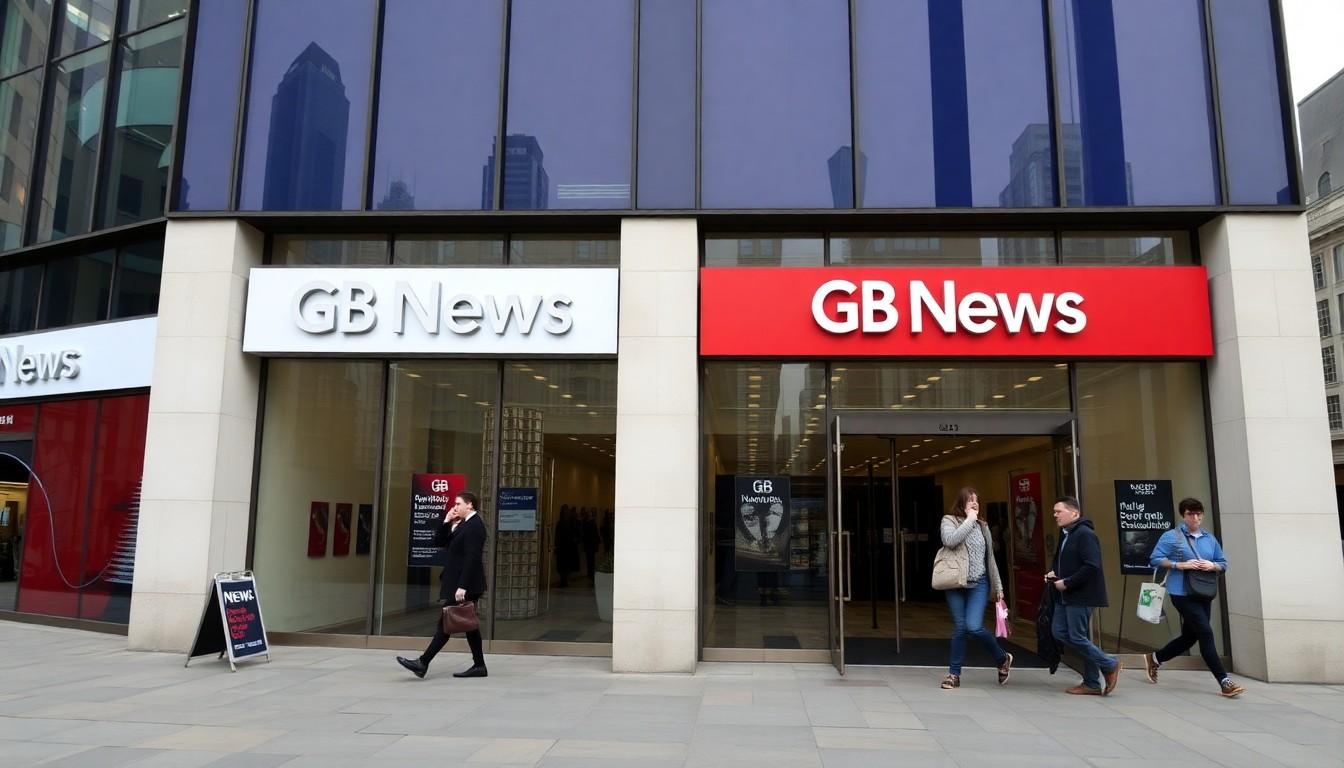
Watchers are asking questions after GB News broadcast a debate that linked Pride with “paedophilia” , sparking an open letter to Ofcom and fresh complaints; here's what happened, why it matters, and how regulators and viewers are responding.
Essential Takeaways
- What aired: GB News aired a debate after Pride in London where journalist Caroline Farrow claimed Pride promotes “very sexualised” displays and linked the community to minor-attraction and bestiality, prompting outrage.
- Public reaction: An open letter from activists , including He.She.They, Green leader Zack Polanski and Drag Race UK star Bimini , called on Ofcom to investigate and hold the broadcaster to account.
- Context of concern: The comments came on the 50th anniversary Pride march, an event marked by worries over rising anti-LGBTQ+ hate crime and venue closures.
- Regulatory history: GB News has faced previous Ofcom scrutiny and rulings over similar material, so this episode lands against a backdrop of past breaches and complaints.
- Practical note: Viewers and campaigners argue that allowing such assertions unchallenged risks spreading harmful misinformation and normalising abuse-linked tropes.
What actually happened on air , the moment that sparked the row
The clip shows a post-Pride GB News discussion in which Caroline Farrow described Pride as “a very sexualised display” and said she’d seen festival merch she believed was aimed at children. She then named groups and practices she described as “bizarre and unhealthy kinks and quirks,” and linked them to minor attraction. The imagery of a bustling 50th anniversary march , more than 35,000 people taking to London streets , made the segment feel especially inflammatory to many viewers. According to onlookers, the tone and examples used crossed from critique into accusation, and that’s what ignited the backlash.
The open letter and who’s demanding answers
An open letter shared widely on social media was signed by a mix of cultural and political figures including fashion label He.She.They, Green Party leader Zack Polanski and Drag Race UK’s Bimini. The letter asks Ofcom: how is it acceptable for a broadcaster to present claims that Pride celebrates minor attraction and bestiality as if they were fact? Campaigners argue this isn’t a debate about free speech so much as a question of responsibility when broadcasters report on marginalised groups. The demand is simple: if a claim is untrue and harmful, regulators should act.
Why this matters now , context from the anniversary march
The timing sharpened feelings: Pride in London was marking its 50th anniversary, and organisers used the theme “Many Voices. One Front.” to highlight solidarity in the face of rising anti-LGBTQ+ hate crime and the loss of queer spaces. For many attendees and allies, the march was about visibility and safety, not sexualisation. So when a broadcaster framed Pride as something that encourages paedophilia, it felt to critics like a direct attack on the community’s legitimacy and safety at a particularly symbolic moment.
GB News’ record with Ofcom , a pattern, and why regulators matter
This episode fits into an ongoing regulatory narrative. Ofcom and campaigners have previously clashed with GB News over content deemed to breach broadcasting rules, including material that likened LGBTQ+ people to child abusers. Last year’s high volume of complaints around similar remarks shows viewers already have low tolerance for this kind of rhetoric. For broadcasters, Ofcom’s role is to weigh complaints, assess harm and decide whether rules were broken , and whether sanctions or corrections are appropriate. That history is why many expect a formal response this time too.
What viewers and hosts can do , practical next steps
If you’re concerned about what you’ve seen, there are practical moves. Complain to Ofcom with timestamps and context if you think the segment breached the Broadcasting Code. Share accurate information about Pride and LGBTQ+ issues from trusted groups to counter misinformation, and support local queer venues and charities that work on safety and education. If you’re a broadcaster or producer, think twice about framing inflammatory claims as balanced debate without challenge; context and source-checking matter.
It's a small change , stronger scrutiny , that could make public debate less harmful and more honest.
Source Reference Map
Story idea inspired by: [1]
Sources by paragraph: