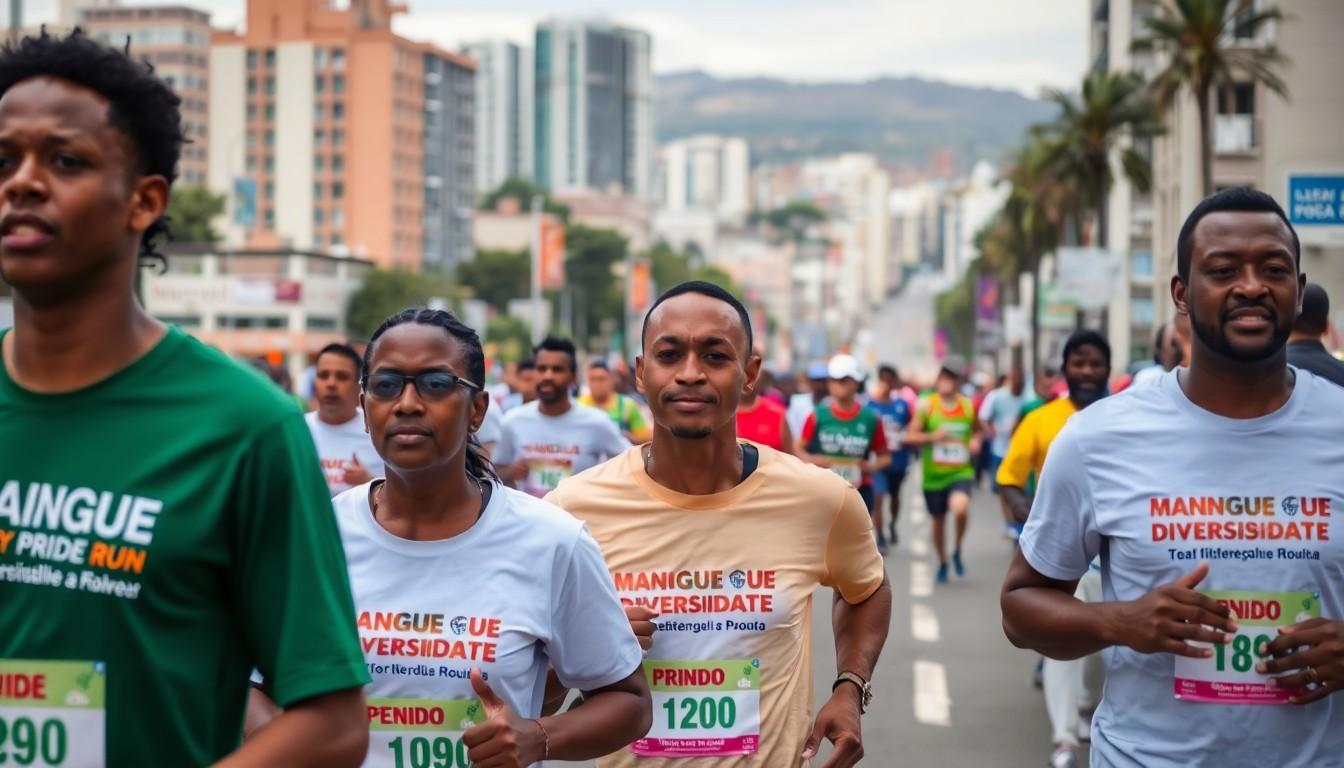
Shoppers of rights and visibility are pushing forward , activists in Maputo want formal recognition for LGBT associations, and analysts say ending the stalemate matters for citizenship, donors and daily safety. Here’s why legalising groups like Lambda would change how Mozambicans live, love and organise.
Essential Takeaways
- Persistent prejudice: Analysts say a strong social repugnance remains in Mozambique, including among Christian sectors, which hampers acceptance and visibility.
- Legal limbo: Lambda and other groups cannot register formally because registration processes are stalled at government level, leaving organisations without legal protection.
- Visibility efforts: A first Pride run in Maputo aims to counter invisibility with the slogan “We Exist”, combining celebration and political pressure.
- International fallout: Mozambique has faced criticism from UN human rights bodies and donors over failure to recognise LGBT associations.
- Mixed strategies: Local voices differ , some urge continued activism and pressure, others advise quieter organising, fearing cultural backlash.
Prejudice is real and stubborn , and it has a texture
Analysts told Lusa that prejudice against sexual minorities in Mozambique is not abstract; it has a tone and texture , a widespread repugnance that colours daily life and public debate. João Feijó, a researcher with the Observatório do Meio Rural, noted the odd cruelty of people who themselves suffered discrimination rejecting others for similarly petty reasons. That emotional charge explains why many LGBT people stay invisible, and why visibility initiatives feel risky and urgent in equal measure.
The legal gap: organisations stuck in government drawers
The big story here is procedural as much as cultural. Lambda and other defenders of LGBT rights have tried to register as associations, but their applications are reportedly stalled , the files sit in a drawer, activists say, while the state gives no answer. That lack of formal recognition matters beyond symbolism: without legal status groups lack basic protections, bank accounts, and the clarity donors require. International watchdogs and some UN bodies have flagged Mozambique for this very inertia.
Pride in Maputo , a soft, strategic push for recognition
Maningue Diversidade plans Maputo’s first Pride run, a week-long effort under the banner “We Exist”. Events like this do two things: they humanise LGBT lives with colour and movement, and they test how much public space can be claimed without provoking crackdowns. For participants, there’s a sensory uplift , music, banners, bodies moving through streets , but also pragmatic aims: to make it harder for authorities to deny that LGBT Mozambicans are real people with social ties and civic claims.
Donors and diplomacy: rights at stake in the balance sheet
There’s a practical consequence to the stalemate , donors and international bodies track whether governments respect rights, and failure to recognise LGBT associations has consequences. Fernando Lima, a journalist, argues that Mozambique’s reluctance has prompted criticism in UN human rights forums and even affected donor relations. For a government that wants international partnerships, legalising representative associations is not just moral theatre; it’s a diplomatic and fiscal consideration.
Strategy and debate inside the movement: pressure versus patience
Not everyone agrees on tactics. Some activists press for public campaigns and legal pressure now; others, including sociologist Jaibo Mucufo, counsel caution, arguing that Mozambique’s dominant religious and cultural matrix will limit rapid advances. He suggests continuing activities without heavy legal confrontation, saying the constitution already protects relationships in practice. That split is familiar in many movements , push too fast and risk backlash, move too slowly and miss momentum.
How Mozambicans and allies can think about next steps
If you care about this issue, practical steps matter. Support local groups in ways they request , financial transparency, capacity building and advocacy training help more than token statements. International partners can tie funding and cooperation to human-rights benchmarks while staying mindful of local safety. And for Mozambicans, small acts of recognition , attending events, sharing stories, challenging stereotypes , chip away at the repugnance that keeps people invisible.
It's a small legal change that would make a big difference to everyday dignity and civic life.
Source Reference Map
Story idea inspired by: [1]
Sources by paragraph: