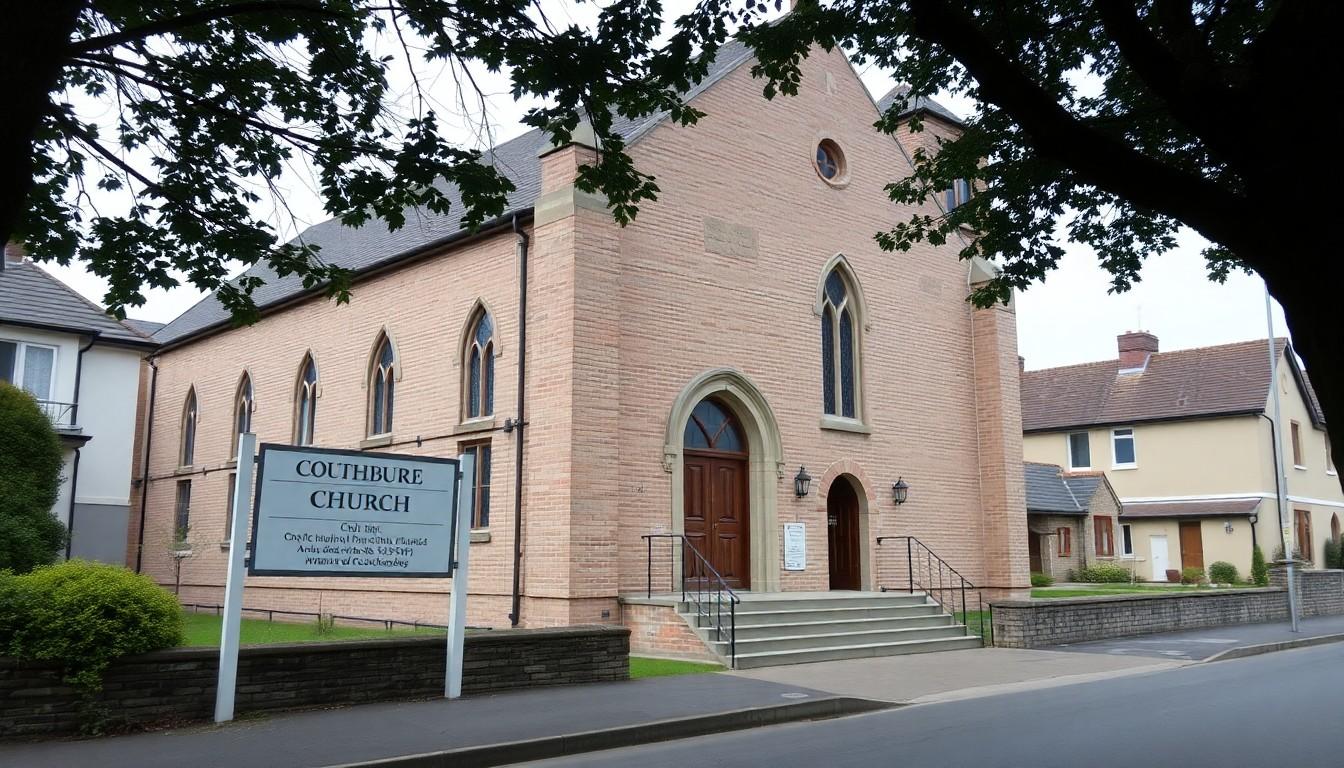
Shoppers, neighbours and parishioners noticed a tense scene outside a Palatine, Illinois, church last week as a protest over its digital sign sparked debate about free speech, faith and Pride; the dispute matters because it shows how local communities are negotiating beliefs, identity and public conversation.
Essential Takeaways
- What happened: Dozens gathered outside New Hope Community Church in Palatine to protest provocative messages displayed on the church’s electronic sign during Pride Month.
- The sign’s tone: Messages such as “God invented marriage” and “Sex is objective reality” were meant by the pastor to challenge cultural views, but were read by protesters as exclusionary.
- Legal context: Local officials told the church its sign was allowed under the First Amendment, and the protest stayed peaceful and off church property.
- Emotional cues: The scene mixed firm convictions with visible frustration on both sides; many participants framed their actions as defending dignity or conscience.
- Why it matters: This episode highlights a growing local pattern , public faith messaging encountering organised Pride activism , and raises practical questions about dialogue and safety.
A protest in Palatine put a church sign in the spotlight
The most visible detail was a digital display that read blunt statements about marriage and sexuality, which drew people out into the street. According to local reporting, organisers from a regional Pride network urged residents to gather and voice disagreement, creating a charged but contained moment. Neighbours and passers-by saw loud colours and loud opinions, and the church said it had no intention of backing down.
Where the clash came from , sign, sermon and social media
The pastor has framed the sign as part of a long-standing effort to prompt people to consider religious convictions, not to incite hostility. Meanwhile activists said the messages felt like an attack during Pride Month. Local outlets described flyers and posts used to promote the protest, showing how social media can amplify a neighbourhood spat into a public spectacle. For community leaders, the takeaway is that a single sign can quickly become a signal flare.
Free speech, local law and the mayor’s role
When disputes like this flare up, municipal officials often become referees. In this case the mayor told the pastor the sign complied with local rules and that the issue was a First Amendment matter. That didn’t satisfy everyone, but it did keep the conflict within legal channels and helped the protest remain peaceful. For other churches or groups, knowing the local sign rules and communication rights ahead of time can prevent surprises.
How to navigate firm beliefs without hardening community ties
There are practical steps both congregations and activists can take to lower the temperature next time. Churches that want to express doctrinal positions might couple statements with invitations to dialogue or community events that demonstrate pastoral care. Activists can choose focused, respectful protest tactics that state grievances without escalating risks. Simple things , clearer signage about intent, a public forum, or agreed safety plans for demonstrations , make meaningful differences.
What this episode signals about future town-centre conversations
Across the US, and in suburban towns like Palatine, we’re seeing more of these local clashes as national culture wars filter down to everyday life. Both sides told reporters they cared about people, yet they saw that care through different lenses. Expect more moments where churches, councils and activist groups test how free expression, inclusion and neighbourliness fit together , and more opportunity for creative local solutions.
It's a small change in how communities communicate that can make everyday public life a bit calmer and kinder.
Source Reference Map
Story idea inspired by: [1]
Sources by paragraph: